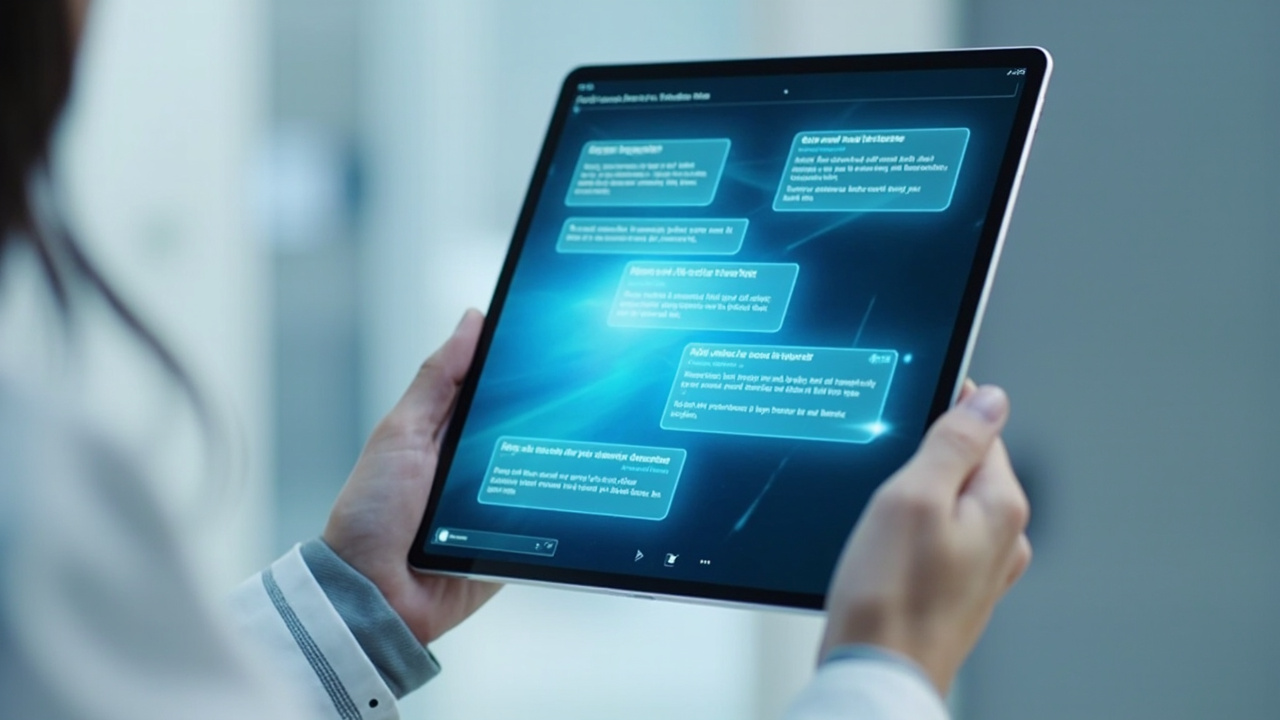
AI-driven robot lab cuts protein synthesis cost by 40%
Summary
AI-driven lab robots, guided by a chatbot, have automated protein synthesis, testing over 30,000 conditions to reduce costs by 40% more than previous methods, raising questions about human replacement in labs.
AI lab crushes human record in protein synthesis
An AI-driven robotic laboratory has dramatically outperformed a human researcher in optimizing a method for making proteins outside of cells. The system, developed by researchers from OpenAI and Ginkgo Bioworks, tested over 30,000 experimental conditions in six months to find a recipe that is 40% cheaper than the best human-derived version.
The results, posted on the bioRxiv preprint server on February 5th, mark a significant leap in automated science. The project has ignited debate about how far AI and robotics can go in replacing human experimenters in the lab.
The human benchmark
The previous record was set by synthetic biologist Meagan Olsen, a PhD student at Northwestern University. Her research aimed to make cell-free protein synthesis—creating proteins in a test tube without using living cells—more cost-effective.
Over four months, Olsen manually tested 1,231 different combinations of ingredients like sugars and amino acids. Her work successfully produced a recipe that was at least six times cheaper than existing methods, a substantial achievement in the field.
How the autonomous lab works
The new system is an "autonomous laboratory" that combines several key components. A large language model (LLM) acts as the "scientist," designing experiments and interpreting results. Lab robots handle the physical tasks, such as transferring liquids and running tests.
Human researchers still play an oversight role, but the core discovery process is automated. This setup allows for a massive scale of experimentation that would be impossible for a single person or even a large team to conduct manually.
- AI Brain: A large language model designs experiments and analyzes data.
- Robotic Body: Automation hardware performs the physical lab work.
- Human Oversight: Researchers monitor the system and provide high-level guidance.
The scale of AI-driven discovery
The AI system's output dwarfs human capabilities. Where Olsen tested just over a thousand conditions, the autonomous lab ran through more than 30,000. This scale was achieved not in years, but in a continuous six-month campaign.
This brute-force, data-heavy approach led to the further 40% cost reduction. The finding suggests that for certain optimization problems, AI can efficiently navigate a vast "search space" of possibilities that would overwhelm a human.
Debating the role of AI in science
The paper has sparked intense discussion within the scientific community. Proponents see it as a powerful new tool that can accelerate discovery, handle tedious optimization work, and free up human researchers for more creative tasks.
Critics, however, question how much genuine "understanding" the AI possesses. They argue it excels at pattern recognition within set parameters but lacks the deep theoretical insight and serendipitous discovery that often drives major scientific breakthroughs.
The debate centers on whether this is a sophisticated tool or a step toward a new kind of automated scientist. The system's success in a well-defined task like cost optimization is clear, but its ability to tackle open-ended scientific questions remains unproven.
The future of automated research
This project is part of a broader trend toward automating laboratory science. Companies and academic labs are increasingly integrating AI and robotics to speed up research in fields like drug discovery and materials science.
The OpenAI and Ginkgo collaboration is notable for its scale and the direct involvement of a leading AI lab. It points to a future where the initial, labor-intensive phases of experimental science could become highly automated.
For now, the system is a formidable tool for specific tasks. Its emergence suggests that the most impactful near-term future may not be AI replacing scientists, but scientists who expertly wield AI outperforming those who don't.
Related Articles
India’s top telco tackles AI with $110 billion build plan and proven fast market dominance playbook
Reliance Jio plans to invest $110 billion in AI datacenters over seven years, aiming to make AI services as affordable as it made mobile data in India.
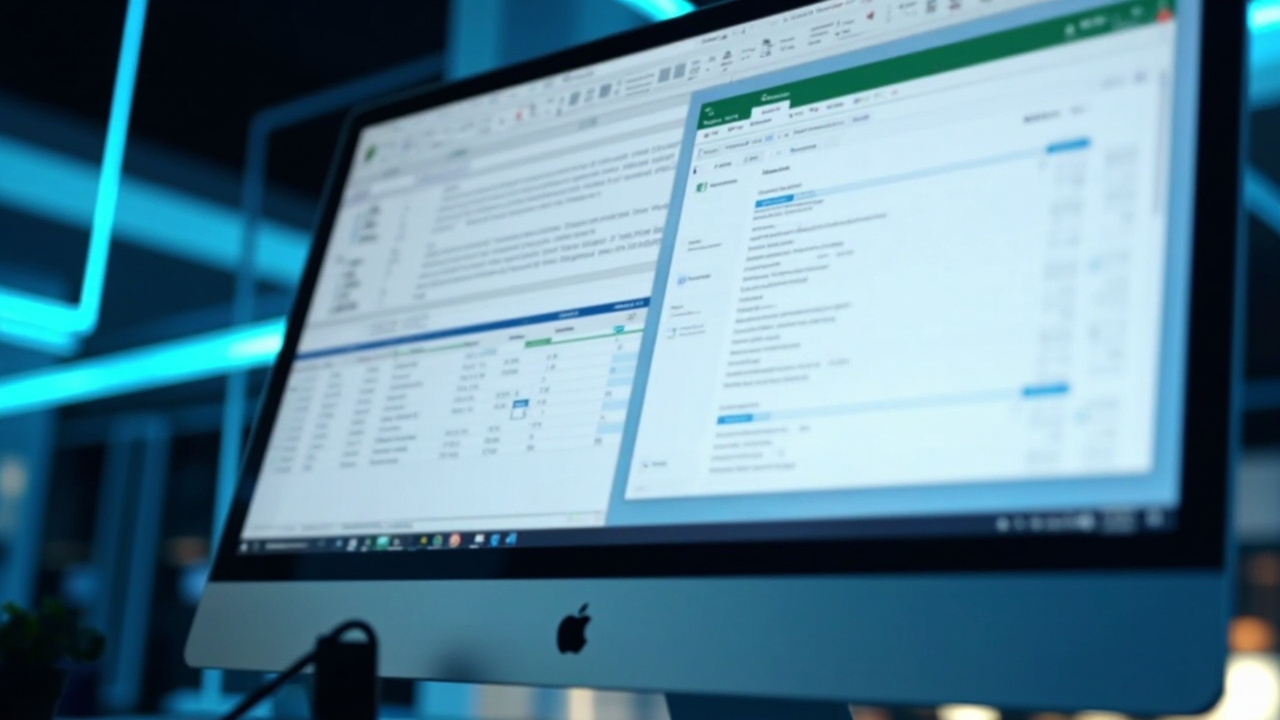
Pi for Excel: AI sidebar add-in for Excel, powered by Pi
Pi for Excel is an open-source AI sidebar for Excel. It reads and edits workbooks using models like GPT or Claude, with tools for formatting, extensions, and recovery.
Stay in the loop
Get the best AI-curated news delivered to your inbox. No spam, unsubscribe anytime.