
Blood tests predict Alzheimer's symptom onset age, study finds
Summary
Blood tests for Alzheimer's can predict symptom onset age but aren't ready for widespread use in healthy people due to accuracy concerns and a 3-4 year margin of error.
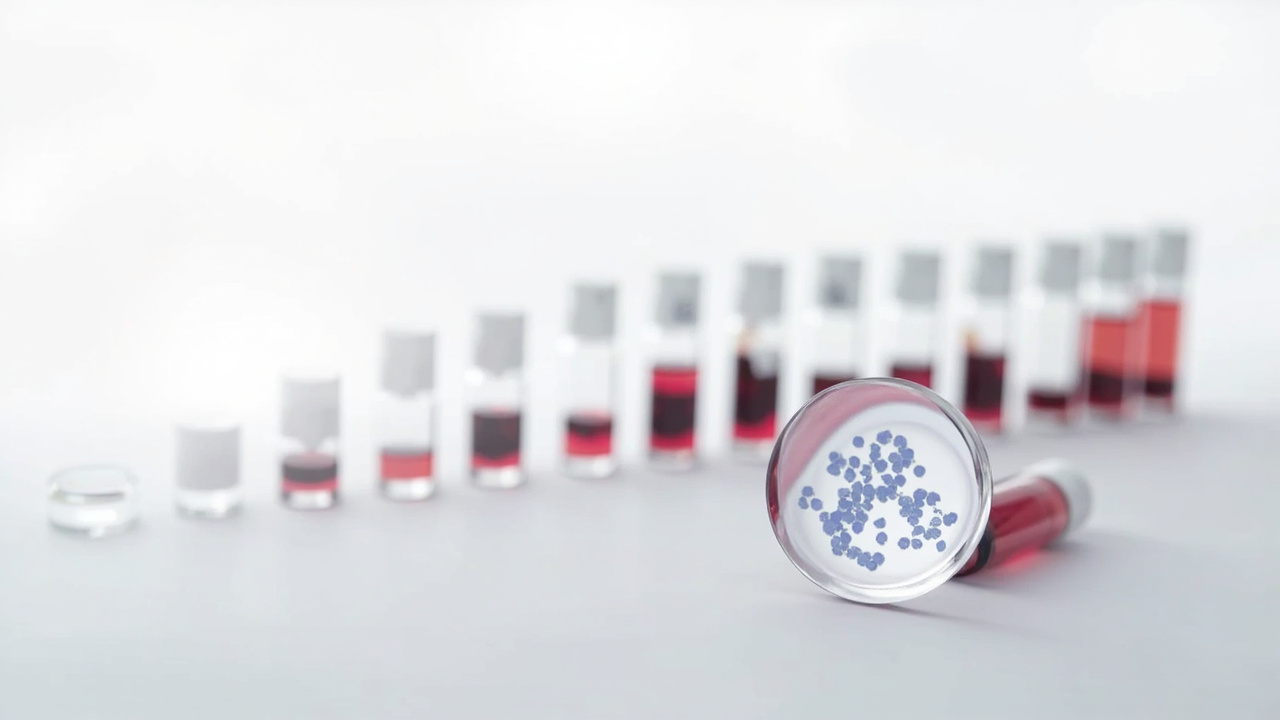
Blood tests predict Alzheimer's symptom onset age
A new study shows blood tests that detect a key Alzheimer's-related protein can predict the age at which a person might develop symptoms, years in advance. The research was published Thursday in Nature Medicine.
But scientists warn the tests are not yet accurate or reliable enough for use in healthy, asymptomatic people. The predictions come with a significant margin of error.
How the "plasma clock" study worked
The study involved over 600 people aged 62 to 78 who showed no signs of cognitive impairment. Researchers analyzed their blood for levels of a protein called p-tau217, which accumulates in the brains of people with Alzheimer's.
Using a model based on the test results, the team predicted the age of symptom onset. "A key innovation was estimating when they're going to develop symptoms," said co-author Dr. Suzanne Schindler, a neurologist at Washington University School of Medicine.
The model had an uncertainty window of three to four years on either side of its prediction.
Tests are promising but not for healthy people
Experts unanimously caution against using these tests for screening in the general public. "The researchers are not recommending this for people who are asymptomatic," said Dr. Zaldy Tan, a memory specialist at Cedars-Sinai.
Dr. Corey Bolton, a neuropsychologist at Vanderbilt, noted the tests have limitations. "Other medical conditions, such as chronic kidney disease and obesity, seem to have a large impact on the circulating levels of these proteins and can greatly influence results."
The study itself had ties to the diagnostics industry. Several authors have consulted for or received funding from companies that make Alzheimer's blood tests. Schindler provides unpaid consulting to diagnostic companies.
Why early detection matters
More than seven million Americans are living with Alzheimer's, a neurodegenerative disease with no cure. It is characterized by the buildup of amyloid plaques and tau tangles in the brain, which can begin over a decade before symptoms like memory loss appear.
Detecting the disease early is becoming more critical. Two drugs—Leqembi and Kisunla—have been approved that can slow progression in some people when the disease is caught in its early stages.
- Blood tests are far cheaper and easier than traditional diagnostics like spinal taps or PET scans.
- Two tests, Lumipulse (Fujirebio) and Elecsys (Roche), are approved in the U.S. for use in people already showing symptoms.
- Clinical trials are underway to see if early treatment in people with biological signs but no symptoms can prevent the disease.
The accuracy and implications of predictions
The study found a person's age when they test positive affects the timeline. "If you have a positive blood test when you're 60, it may take 20 years before you develop symptoms—versus, if you don't have a positive blood test until you're 80, it may take only 10 years," Schindler explained.
However, the three- to four-year error margin is a major caveat. "That's a big window," Tan said, "especially if you're using the knowledge to make decisions about retirement plans or finances."
Dr. Nathaniel Chin, a geriatrician at the Wisconsin Alzheimer's Disease Research Center, called the results "impressive and exciting" but stressed the need for replication in other populations.
The current role for blood tests
Despite limitations, the tests have value in clinical settings for diagnosis and planning. People found to be at higher risk could benefit from proactive interventions.
"These factors can have a large influence in the age of symptom onset and the rate of clinical decline," Bolton said. He listed potential benefits for those at risk:
- Increased physical exercise
- Adoption of a healthier diet
- Greater cognitive or social stimulation
The study was funded by a public-private partnership through the Foundation for the National Institutes of Health Biomarkers Consortium. The data are publicly available for other researchers to analyze.
Related Articles

First cat cancer genetic map reveals mutations shared with humans
Cat cancer genetics study reveals similarities to human cancers, offering new treatment insights for both species.
Nearly 1 in 4 US adults with diabetes are undiagnosed
Nearly 1 in 4 Americans with diabetes are undiagnosed, per the American Heart Association. The condition is a leading cause of death and heart disease risk. Experts stress awareness and early care.
Stay in the loop
Get the best AI-curated news delivered to your inbox. No spam, unsubscribe anytime.