Deaf contestant Oliver Scott stars in UK's first BSL dating show
Summary
Oliver Scott, a contestant on the UK's first BSL dating show "Hold My Hand," hopes it teaches people about deaf culture and shows they can have fun and banter too. He advocates for more BSL representation in mainstream media.
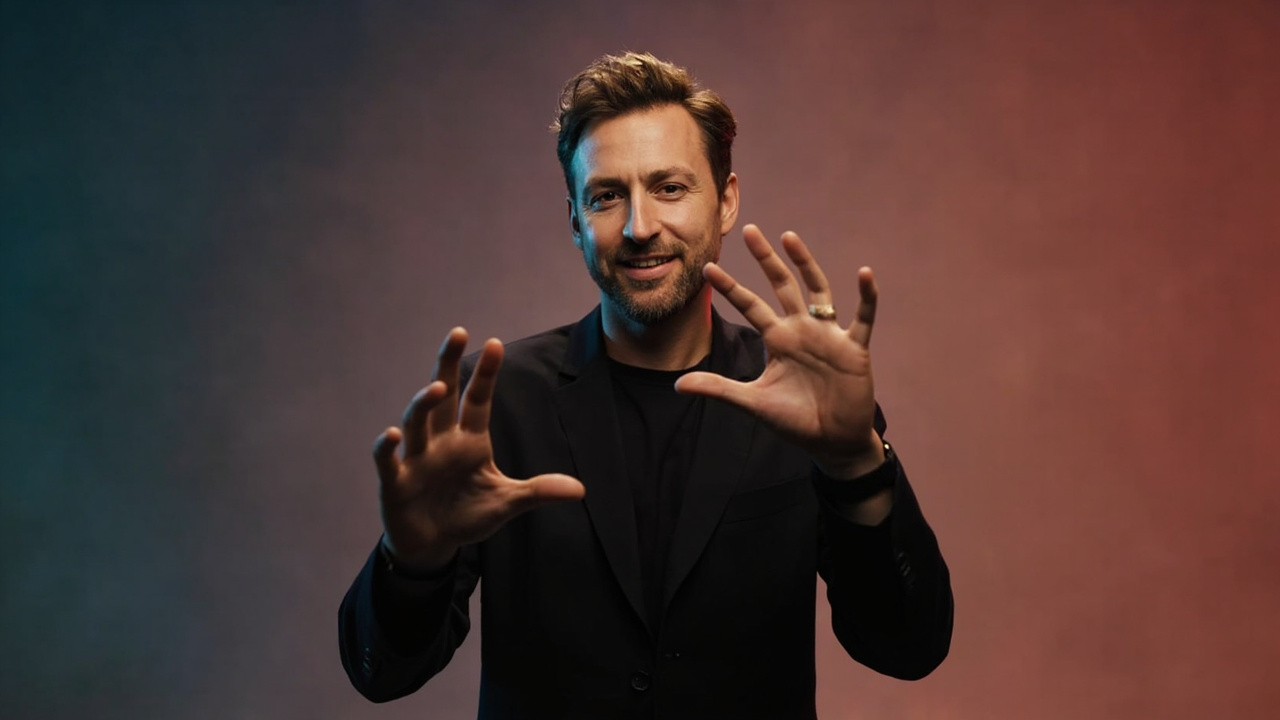
Oliver Scott joins UK's first BSL dating show
Oliver Scott is a contestant on Hold My Hand, the UK's first British Sign Language dating show. The 27-year-old from Norwich says he joined the series to show that deaf people can "have banter" and to improve representation for BSL users.
The show is produced by the deaf-led streaming platform LumoTV and is presented by deaf identical twins Hermon and Heroda Berhane. Its three-part run is now available to stream on LumoTV and YouTube.
A "refreshing" alternative to mainstream TV
Oliver, who grew up in a deaf family with BSL as his first language, tells BBC Newsbeat the show felt "refreshing." He had often watched other dating programs like Love Island and questioned why he couldn't be a contestant.
"We'd say it's impossible because of the communication, everybody talking, the different games are quite fast-paced," he explained through an interpreter. He worried about how he would get to know people in that environment.
On Hold My Hand, however, he says he had a "fantastic experience" and felt he could genuinely connect with his dates. The show is created with the deaf and signing community to highlight deaf culture in a way not widely seen on screen.
Beyond a single type of deaf representation
Oliver acknowledges progress, like model Tasha Ghouri becoming the first deaf contestant on Love Island in 2022. He calls her a "brilliant representative" for cochlear implant users.
But he stresses that deaf people have different communication preferences, and mainstream media needs to reflect that. "I prefer to use British Sign Language. That is my first language," he says. "So I think we need more reflection of British Sign Language users in the mainstream."
He hopes the show teaches hearing viewers about the deaf community and challenges misconceptions. "We can be naughty, we can be mischievous, we can be cheeky, we can have fun," he says.
Why on-screen representation "really matters"
Teri Devine, associate director of inclusion for the Royal National Institute for Deaf People, calls the show a "huge milestone." She says seeing people like yourself on TV is powerful.
"It really matters. Everybody wants to see somebody that's like themselves," says Teri. "So if you see somebody on television that's a deaf person that's going on a date, you think: 'Oh, actually I can do that.'"
She notes that good representation helps people find role models and feel they can achieve their goals. For dating, she points out that environment is key for deaf people, favoring quieter, brighter places where they can see a date's face and read lips.
Deaf representation is growing on screen
The launch of Hold My Hand follows several significant milestones for deaf representation on UK television in recent years.
- In 2021, actress Rose Ayling-Ellis became the first deaf contestant to compete and win Strictly Come Dancing.
- In 2024, Ayling-Ellis made history again as the first deaf person to host live sports coverage on TV for Channel 4's Paralympic Games.
- The 2022 series of Love Island featured its first deaf contestant, Tasha Ghouri.
Despite this progress, Oliver Scott says he would still like to see a deaf BSL user featured on a mainstream, non-deaf-specific reality show. For now, he's proud to be part of a project made by and for his community.
Related Articles
H&R Block Offers $50 Off Tax Prep in 2026
H&R Block offers tax prep services, from free online filing for simple returns to in-person expert help. Get discounts, fast refund advances, and free reviews of past returns.
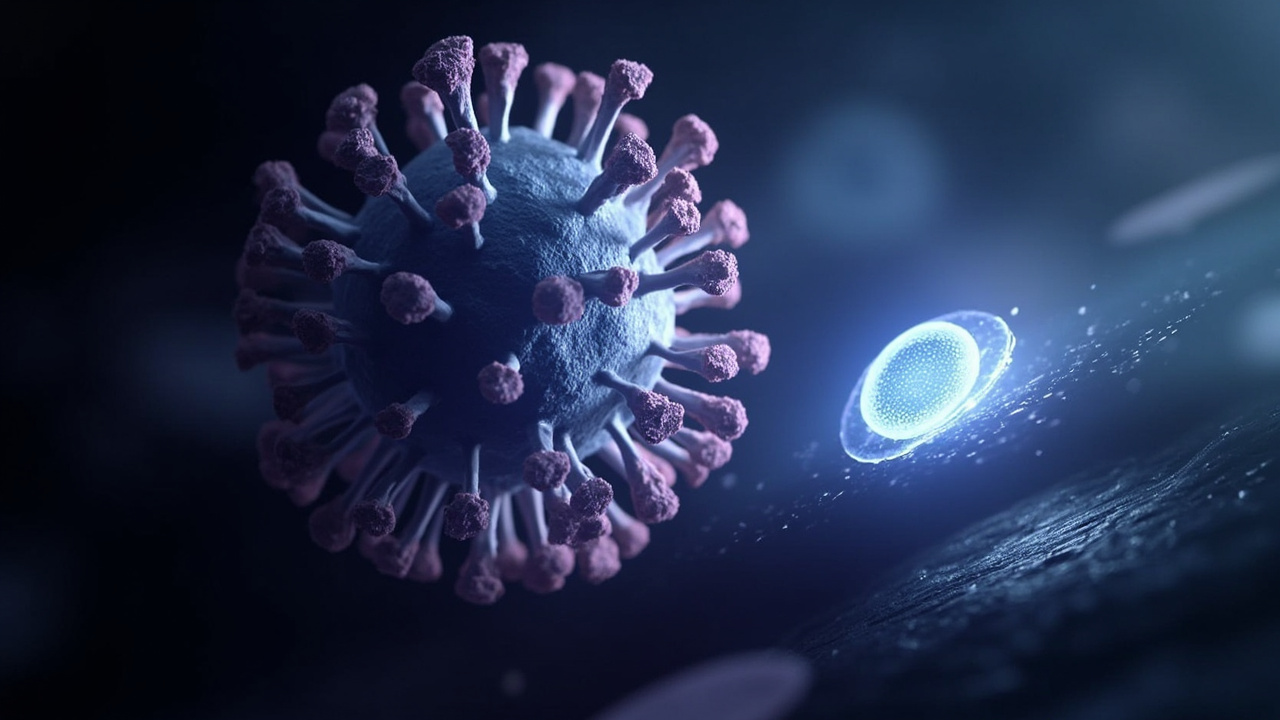
Giant virus discovery may rewrite the origin of complex life
Viruses may have helped create complex life. A theory suggests the cell nucleus evolved from a giant virus. New giant virus discoveries, like ushikuvirus, support this idea by showing viral replication resembling early cell processes.
Stay in the loop
Get the best AI-curated news delivered to your inbox. No spam, unsubscribe anytime.