FBI Recovers Nancy Guthrie's Nest Footage Without Subscription
Summary
The FBI recovered video from a Google Nest camera without a subscription, likely from residual cloud data or device fragments, raising privacy concerns about smart doorbells.
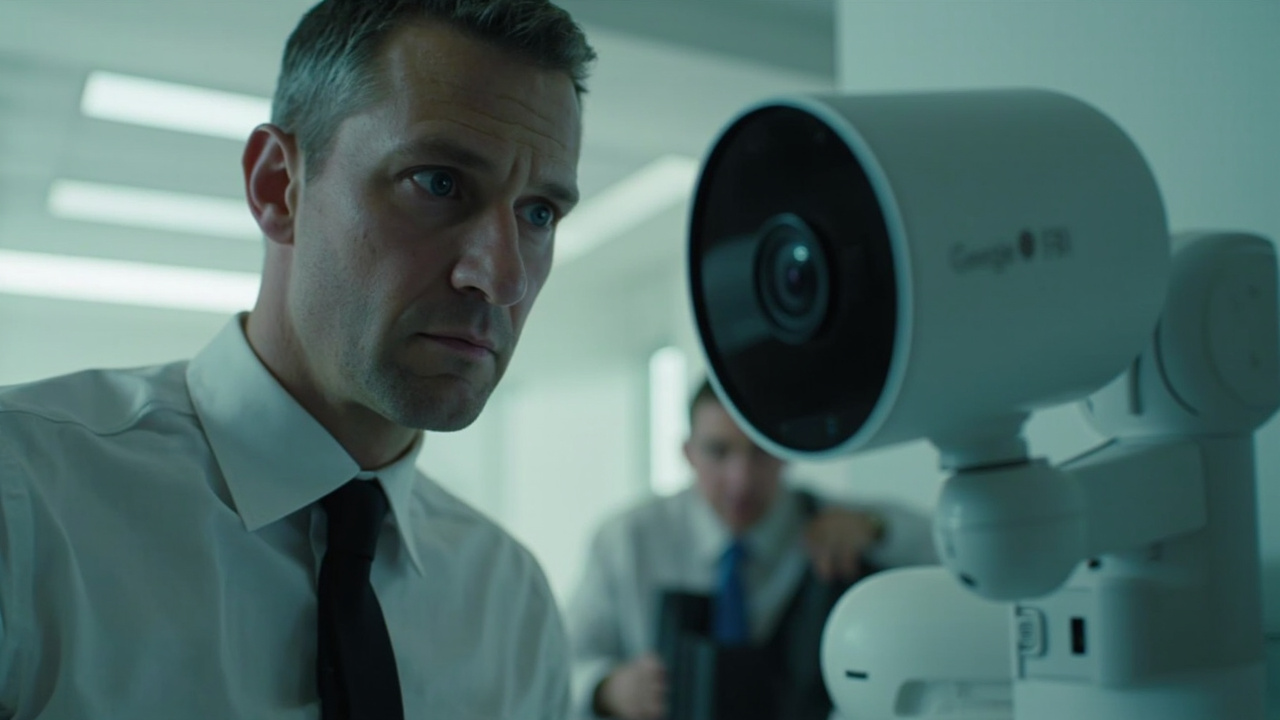
The FBI recovered video from a Google Nest camera without a subscription
The FBI released footage of a suspect in the disappearance of Nancy Guthrie, recovered from her Google Nest doorbell. This is notable because authorities had previously confirmed the camera was disconnected and Guthrie did not have a paid Nest Aware subscription to store video.
The footage appears to have been obtained despite the lack of a traditional video archive. This raises questions about what data these devices retain and how law enforcement can access it.
How the FBI likely obtained the footage
FBI Director Kash Patel stated the footage was recovered "from residual data located in backend systems." This vague description suggests the data was not readily accessible through normal user channels.
Experts told NBC News that cloud-based cameras like Nest have complex infrastructures that can retain data. A retired FBI agent theorized the camera might have sent images to Google's cloud or stored data points locally, even without a subscription.
This tracks with how some Nest devices function. Without a subscription, certain models can still save limited event histories on-device when motion is detected.
- The third-gen wired Nest Doorbell can save up to 10-second clips.
- First and second-gen wired doorbells can save up to three hours of event history.
The prolonged effort to produce the footage and the "residual data" description suggest the FBI may have reconstructed it from fragmented data points, not simply pulled a saved video file.
What this means for your privacy
This case shows that the absence of a paid subscription does not guarantee the absence of retrievable data. If your device saves any event history or data points, they could potentially be recovered by a sophisticated actor with legal authority.
However, this is not a situation unique to Google Nest. Any smart camera or doorbell system with local or cloud-based logging could present similar forensic possibilities. The key factors are the technical design of the device and the legal process used to access the data.
It's also important to distinguish Nest from other ecosystems like Ring. Google has not formed formal partnerships with third-party companies like Flock to facilitate law enforcement requests for user footage.
Should you ditch your Nest camera?
For most users, this incident likely doesn't represent a imminent privacy crisis. The circumstances here—a major federal investigation—are extraordinary.
The chances of your personal doorbell footage being subject to forensic recovery in a routine scenario are very low. The technical effort and legal hurdles required are significant.
Ultimately, using any commercially available smart camera involves trusting a company with some data. If you want to eliminate any risk of footage being recovered, you cannot have a internet-connected camera at all. For those weighing convenience against potential privacy trade-offs, this case reveals a layer of data persistence that may not have been widely understood.
Related Articles
West Virginia sues Apple over failure to prevent CSAM on iCloud
West Virginia sues Apple for failing to prevent child sexual abuse material on iCloud and iMessage, alleging it prioritizes privacy over safety.

MuMu Player Pro for macOS collects system data every 30 minutes
MuMu Player Pro for macOS secretly collects extensive system data every 30 minutes, including network devices, all running processes, installed apps, and kernel parameters, linked to your Mac's serial number. This is not disclosed in its privacy policy.
Stay in the loop
Get the best AI-curated news delivered to your inbox. No spam, unsubscribe anytime.