
Gene editing of CHD3 gene reverses brain disorder in mice
Summary
A new base-editing therapy corrected a mutation in mice modeling a neurodevelopmental disorder, restoring protein levels and improving symptoms, with promising results in primates.
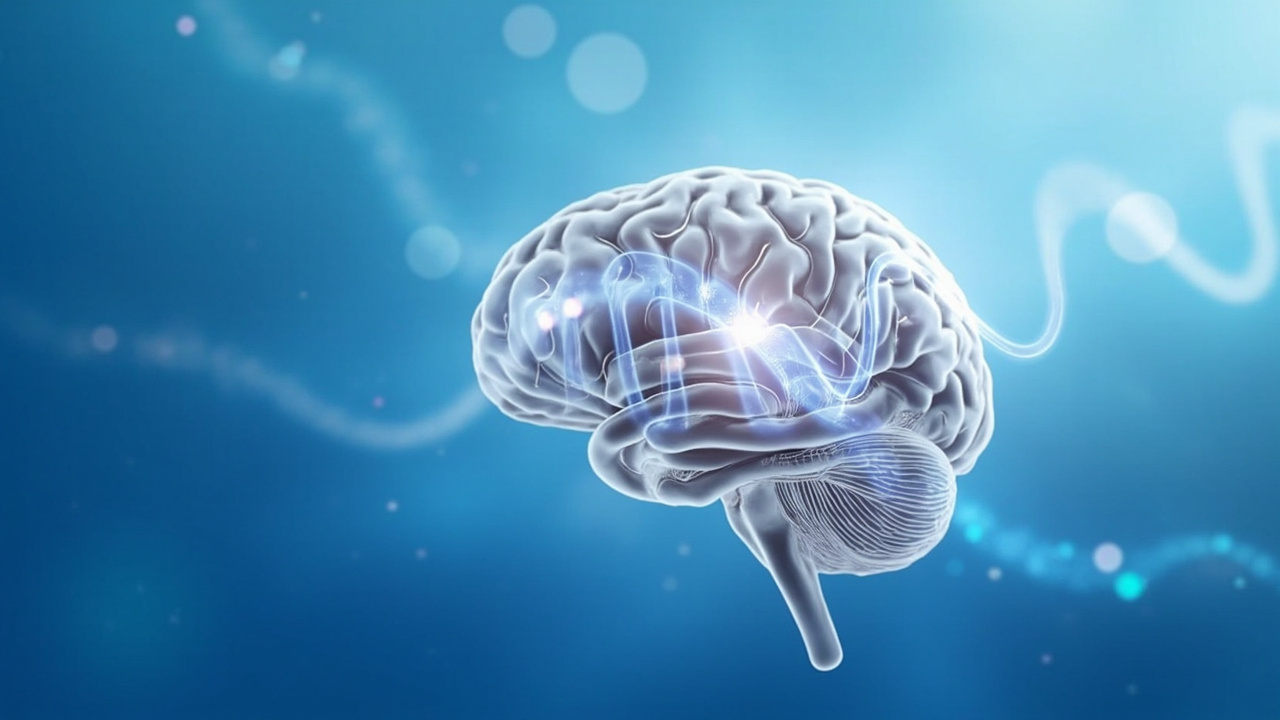
Gene editing reverses brain disorder in mice
Scientists have successfully reversed symptoms of a severe neurodevelopmental disorder in mice using a precise gene-editing tool delivered directly to the brain. The research, published in Nature, offers a potential blueprint for treating similar human conditions caused by single-gene mutations.
The study focused on Snijders Blok–Campeau syndrome (SNIBCPS), a disorder caused by mutations in the CHD3 gene. This condition leads to intellectual disability, autism-like behaviors, and motor problems, and currently has no targeted treatments.
Mimicking the human disorder in mice
Researchers first created a mouse model with the exact genetic error found in many human patients: a single DNA letter change known as p.R1025W. These mice showed reduced levels of the crucial CHD3 protein and displayed behavioral deficits mirroring the human syndrome.
The animals had significant problems with social interaction, learning, memory, and motor coordination. This confirmed the mouse model was a valid system for testing a potential therapy.
A precise editor for a single-letter error
To correct the mutation, the team turned to base editing, a CRISPR-derived technology that can change individual DNA letters without cutting the double helix. They engineered a new tool called TadA-embedded adenine base editor (TeABE).
This editor was specifically designed to change the mutated A•T base pair back to the correct G•C pair in the CHD3 gene. The tool's compact size was a key feature, allowing it to be packaged into viruses for delivery.
Brain-wide delivery reverses symptoms
The researchers delivered the TeABE system to young mice using a dual adeno-associated virus (AAV) approach injected into the bloodstream. The viruses crossed the blood-brain barrier and spread the editor throughout the brain.
The treatment was highly effective and precise:
- It achieved an average editing efficiency of 46% across cortical regions and 30% in the hippocampus.
- It restored CHD3 protein levels to near-normal ranges.
- It significantly improved the mice's social, cognitive, and motor functions.
Notably, the editor showed minimal "bystander" activity, meaning it corrected the disease-causing letter without making unwanted changes at nearby DNA sites.
Testing the therapy in primates
A critical step for any potential brain therapy is testing in a species closer to humans. The team administered the dual AAV system intrathecally—into the spinal canal—of nonhuman primates.
This delivery method resulted in widespread neuronal transduction and efficient TeABE reconstitution throughout the primate brain and spinal cord. The successful experiment supports the translational feasibility of this approach for future clinical use.
A framework for treating brain disorders
The findings establish in vivo base editing as a viable therapeutic strategy for CHD3-related disease. More broadly, they demonstrate a powerful principle: precise genetic correction in the postnatal brain can restore protein function and reverse disease phenotypes.
This work provides a framework for tackling other monogenic neurodevelopmental disorders, suggesting that many conditions once considered untreatable may be addressable with targeted gene-editing therapies delivered after birth.
Related Articles
CRISPR gene drive disarms superbugs, restores antibiotic power
Scientists use CRISPR gene editing to create a system that spreads through bacteria, disabling antibiotic resistance genes and restoring drug sensitivity, even in tough biofilms.
Base editing corrects neurodevelopmental disorder in mice, study shows
Gene editing restores CHD3 function in mice, offering potential treatment for Snijders Blok–Campeau syndrome.
Stay in the loop
Get the best AI-curated news delivered to your inbox. No spam, unsubscribe anytime.