
Kenyan families demand return of over 1,000 relatives recruited to fight for Russia
Summary
Kenyans protest after intelligence report reveals over 1,000 citizens were lured to fight for Russia in Ukraine, demanding government action for their return.
Families protest as report reveals scale of recruitment
More than 1,000 Kenyans have been lured to fight for Russia in Ukraine, according to an official intelligence report, prompting protests from families demanding their relatives' return. Dozens of demonstrators gathered in Nairobi on Thursday, one day after the country's National Intelligence Service revealed the findings.
The report, presented to parliament by Majority Leader Kimani Ichung'wah, details a network involving rogue state officials and trafficking syndicates. It states that 89 Kenyans are currently on the front line, 39 are hospitalized, and 28 are missing in action.
Families describe being misled and abandoned
Protesters say their relatives were tricked with promises of legitimate work. Winnie Rose Wambui told AFP her brother, Samuel Maina, left for Russia believing he had a job as a mall security guard. She last heard from him in October via a "distress voice note" sent from a forest.
The families plan to petition the Foreign Ministry and the Russian embassy. "The Ministry of Foreign Affairs is not helping us," Wambui said at the protest. "They told us if we have questions, we have to go to the Kenyan embassy in Moscow."
Their coordinator, Peter Kamau, whose brother Gerald Gitau is missing, said the group is calling for the return of 35 specific recruits.
Russia denies illegal recruitment
The Russian embassy in Kenya posted a statement on X denying the allegations. It called the reports a "dangerous and misleading propaganda campaign" and stated the government "has never engaged in illegal recruitment of Kenyan citizens in the Armed Forces."
However, the statement added a significant caveat: "the Russian Federation does not preclude citizens of foreign countries from voluntarily enlisting in the armed forces."
The scale revealed in the new report is far larger than previous estimates. Authorities had cited a figure of "around 200" recruits as recently as December.
How the recruitment network operated
The intelligence report outlines a sophisticated operation involving multiple agencies and officials. According to the findings:
- Recruitment agencies colluded with rogue Kenyan airport staff, immigration officers, and other state officials.
- Staff at the Russian embassy in Nairobi and the Kenyan embassy in Moscow allegedly helped facilitate travel.
- Recruits initially left on tourist visas, traveling to Russia via Turkiye or the United Arab Emirates.
- After Kenya tightened surveillance at Nairobi airport, the route shifted to travel via Uganda, South Africa, and the Democratic Republic of Congo.
While some were ex-soldiers seeking mercenary work, many were reportedly deceived. Agencies targeted former soldiers, police officers, and the unemployed with promises of high salaries.
Promises of high pay used as bait
The recruitment agencies lured people with lucrative financial offers, according to the report. They promised monthly earnings of about 350,000 Kenyan shillings ($2,715), along with potential bonuses of up to 1.2 million shillings ($9,309).
This scam is part of a broader pattern. Reports of African men being promised jobs as bodyguards in Russia, only to be sent to the Ukrainian front, have become increasingly frequent in recent months.
Government response and rescue efforts
Kenya's Foreign Ministry said last week that it had rescued 27 Kenyans who were stranded in Russia. Foreign Minister Musalia Mudavadi has announced he plans to visit Russia next month for talks specifically focused on this issue.
The families protesting in Nairobi are now waiting to see if these diplomatic efforts will lead to the repatriation of their loved ones caught in a war thousands of miles from home.
Related Articles

France expresses surprise at EU's Russia stance amid Ukraine war
Ukraine war updates: France questions EU official's attendance at Trump meeting, Telegram denies Russian claims of encryption breaches.
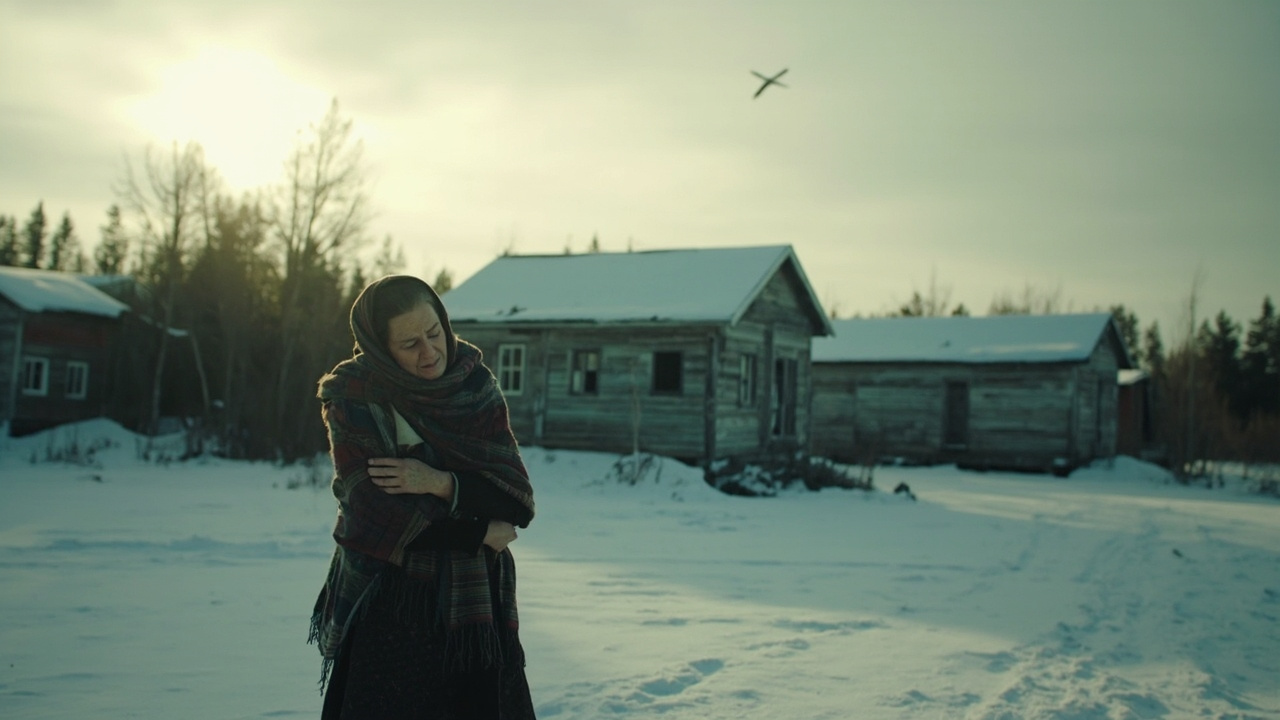
Russian village of Sedanka lost most men to Ukraine war
Remote Russian village Sedanka lost many men to Ukraine war, highlighting disproportionate losses among poor, rural, and indigenous communities.
Stay in the loop
Get the best AI-curated news delivered to your inbox. No spam, unsubscribe anytime.