
Scrape, don't rinse: 5 rules for stacking a dishwasher correctly
Summary
Don't pre-rinse plates; scrape food off. Stack lower rack for plates, upper for glasses, facing center. Avoid overloading. Use tablets, salt, and rinse aid. Keep non-stick, knives, and wood out.
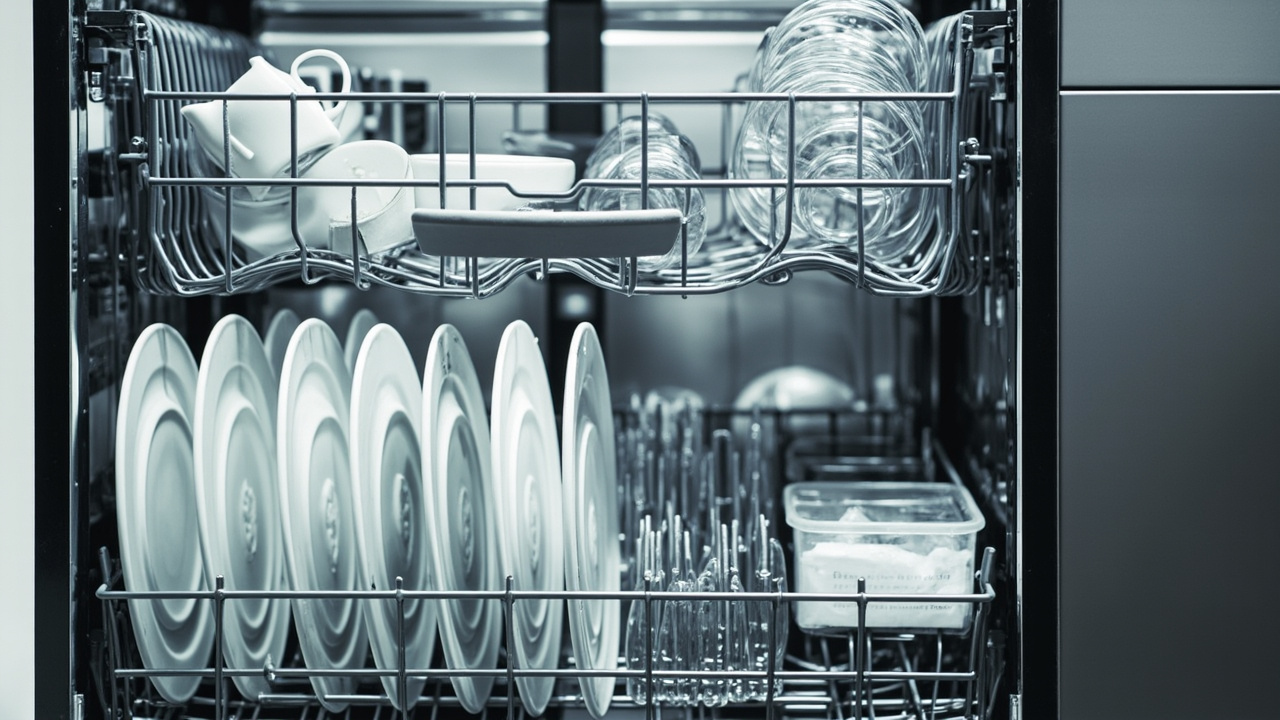
You’re probably rinsing your dishes wrong
If you rinse plates before loading the dishwasher, you’re making a key mistake. Modern dishwashers use a turbidity sensor to detect how dirty the water is.
If the water is too clean, the machine lowers its temperature and wash intensity. This reduces cleaning efficiency.
“Instead, it’s far better to scrape leftovers into your food waste bin and regularly clean the dishwasher filter,” says Andrew Laughlin, principal researcher at consumer group Which?.
How to stack for a perfect wash
The golden rule for loading is simple: items you eat from go on the bottom rack, and items you drink from go on the top. Always face dirty surfaces toward the center spray jets.
Andrew Laughlin and cleaning author Lynsey Crombie agree on several key techniques:
- Angle bowls downward so they don’t collect standing water.
- Mix cutlery to prevent spoons from nesting together.
- Ensure no items are touching so water can flow freely.
The most common error is overloading. “If water can’t circulate properly, nothing will come out clean no matter how expensive your tablet is,” Crombie says.
Tackle the worst food offenders
Some foods are notoriously hard to clean. Andrew Laughlin names cereal, scrambled eggs, and starchy foods with protein residues as the “worst offenders.”
To handle these, place the dirtiest items in the center of the dishwasher, where the spray intensity is highest. This makes the wash more efficient and avoids needing a second cycle.
You need more than just a tablet
Dishwasher tablets are essential—they contain enzymes to break down proteins and surfactants to help water spread. But they aren’t a complete solution.
Andrew Laughlin stresses that dishwasher salt is vital to soften water, prevent limescale, and stop white marks on glasses. Lynsey Crombie recommends using salt even with “all-in-one” tablets to protect the machine long-term.
Rinse aid is also valuable. It helps water disperse on dishes so they dry efficiently at the cycle’s end.
What never to put in a dishwasher
Some items should always be hand-washed. Andrew Laughlin warns that high temperatures and water pressure can damage:
- Non-stick cookware
- Sharp knives
- Wooden items
Lynsey Crombie adds that items with adhesive labels should be kept out, as the labels can clog the filter. As for whose turn it is to empty the clean dishwasher? That remains a mystery no expert can solve.
Related Articles

iPhone Keyboard Issues: Troubleshooting Steps to Try
iPhone keyboard issues like typos and lag are common. Fixes include resetting the keyboard dictionary, adjusting settings, adding custom words, or switching to a third-party keyboard.
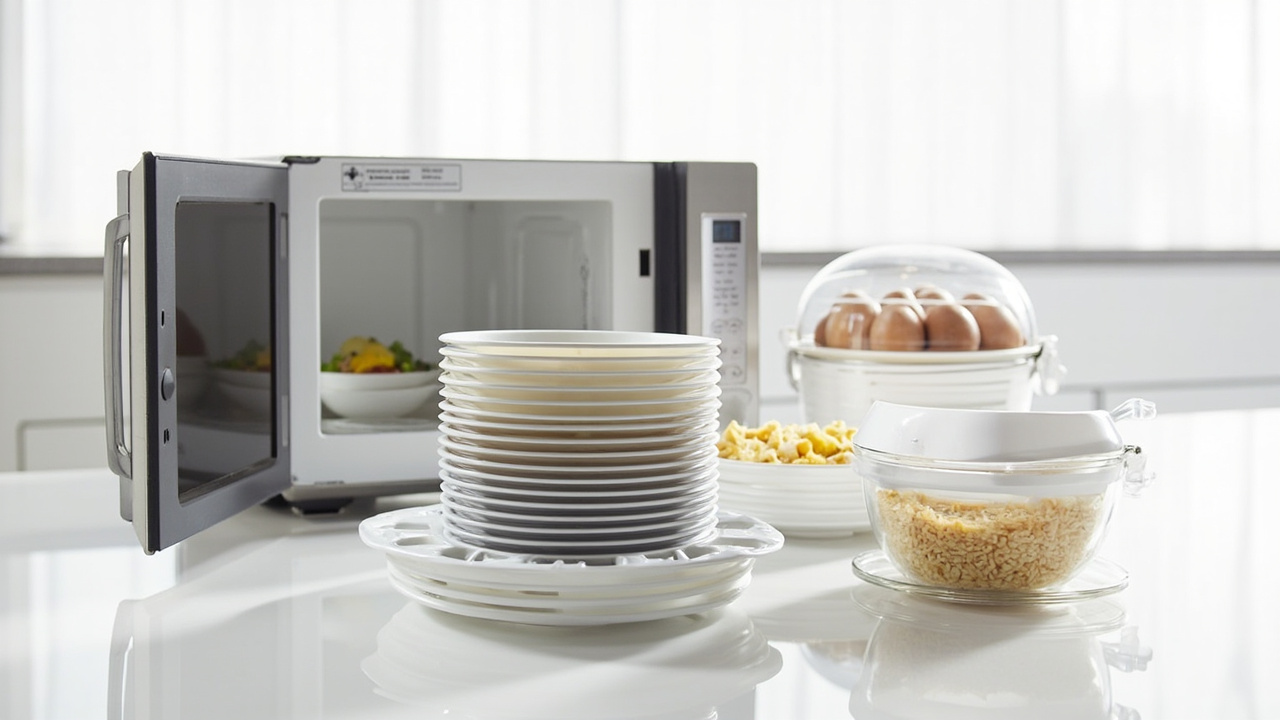
8 Gadgets That Turn Your Microwave Into a Versatile Cooker
Microwaves are useful, but gadgets can make them even better. A plate stacker heats multiple dishes at once. Special cookers improve eggs, bacon, rice, pasta, and even cake. Other tools make sandwiches and steam vegetables. These accessories expand your microwave's capabilities.
Stay in the loop
Get the best AI-curated news delivered to your inbox. No spam, unsubscribe anytime.