Shingles vaccine cuts dementia risk by 51% in older adults, study finds
Summary
A study of seniors found that getting two doses of the shingles vaccine (RZV) was linked to a 51% lower risk of dementia, even after accounting for healthy patient bias.
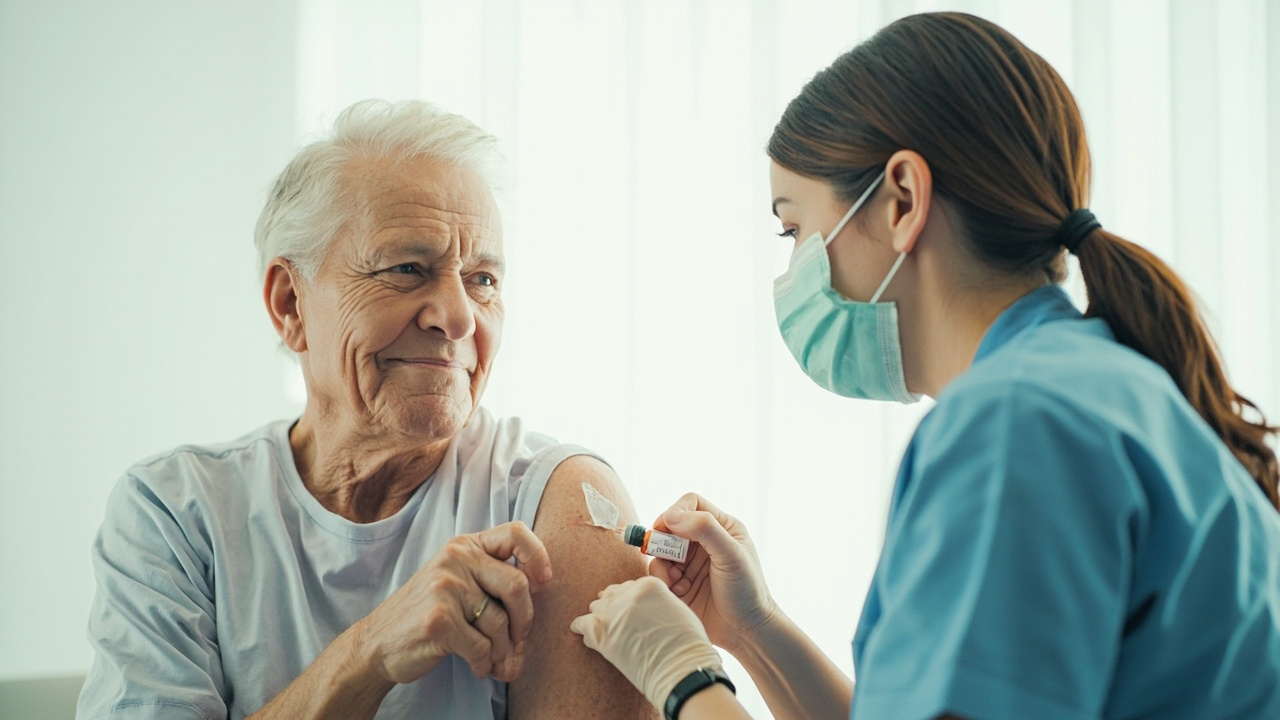
Shingles vaccine linked to major drop in dementia risk
Getting the two-dose shingles vaccine is associated with a 51% lower risk of developing dementia in adults 65 and older, according to a large new study. The research, published in the journal Vaccine, analyzed health records from Kaiser Permanente Southern California.
The study compared over 65,800 vaccinated individuals to more than 263,200 unvaccinated matches. It found the adjusted hazard ratio for dementia was 0.49 for those who received the recombinant zoster vaccine (RZV), known as Shingrix.
Study design and key findings
Researchers conducted a retrospective cohort study of members aged 65 and older. Participants received two doses of RZV between April 2018 and December 2020, with the doses spaced 4 weeks to 6 months apart.
Anyone with a prior dementia diagnosis or who was on dementia medications before or within six months of their second vaccine dose was excluded. The team used statistical models to compare the dementia incidence between the vaccinated and unvaccinated groups over time.
The significant risk reduction was consistent across different age groups and racial and ethnic categories. However, the data showed the protective effect was stronger in females than in males.
Accounting for the "healthy vaccinee" bias
A major question in such studies is whether people who get vaccines are simply healthier to begin with, a phenomenon known as "healthy vaccinee bias." To test for this, the researchers performed a secondary analysis.
They compared the dementia risk in people who got the shingles vaccine to those who received the Tdap (tetanus, diphtheria, pertussis) vaccine. This group was chosen because people seeking one adult vaccine are likely similar to those seeking another.
Even in this comparison, RZV vaccination was associated with a 27% lower risk of dementia, with an adjusted hazard ratio of 0.73. This suggests the observed benefit is not solely due to healthier people choosing vaccination.
Why a shingles vaccine might protect the brain
The study is observational and cannot prove the vaccine directly prevents dementia. However, it adds to a growing body of evidence linking viral infections to long-term brain health.
Shingles is caused by the reactivation of the varicella-zoster virus, which also causes chickenpox. The leading hypothesis is that the vaccine may protect the brain by preventing this reactivation, which can cause inflammation.
- Inflammation: Shingles causes significant inflammation, which is a known contributor to neurodegenerative diseases like Alzheimer's.
- Viral Presence: The varicella-zoster virus has been found in the brain, and its reactivation may directly damage neurons or trigger harmful immune responses.
- Prevention: By stopping the full-blown infection, the vaccine may prevent these downstream effects on the brain.
Context and next steps for research
Previous studies have suggested a similar protective link between other vaccines—like those for flu and pneumonia—and reduced dementia risk. This new research focuses on one of the newest and most effective shingles vaccines.
Shingrix, made by GSK, is over 90% effective at preventing shingles and is the preferred vaccine for older adults in the U.S. The Centers for Disease Control and Prevention recommends it for healthy adults 50 and older.
The authors conclude that two doses of RZV are associated with a statistically significant reduction in dementia risk, even after accounting for healthy vaccinee bias. They call for more research to confirm the findings and understand the biological mechanism at work.
Related Articles

CDC vaccine advisory panel meeting canceled for next week
The CDC's vaccine advisory committee meeting is canceled. The committee, recently replaced with members holding anti-vaccine views, was expected to discuss Covid-19 vaccines.
Nearly 1 in 4 US adults with diabetes are undiagnosed
Nearly 1 in 4 Americans with diabetes are undiagnosed, per the American Heart Association. The condition is a leading cause of death and heart disease risk. Experts stress awareness and early care.
Stay in the loop
Get the best AI-curated news delivered to your inbox. No spam, unsubscribe anytime.