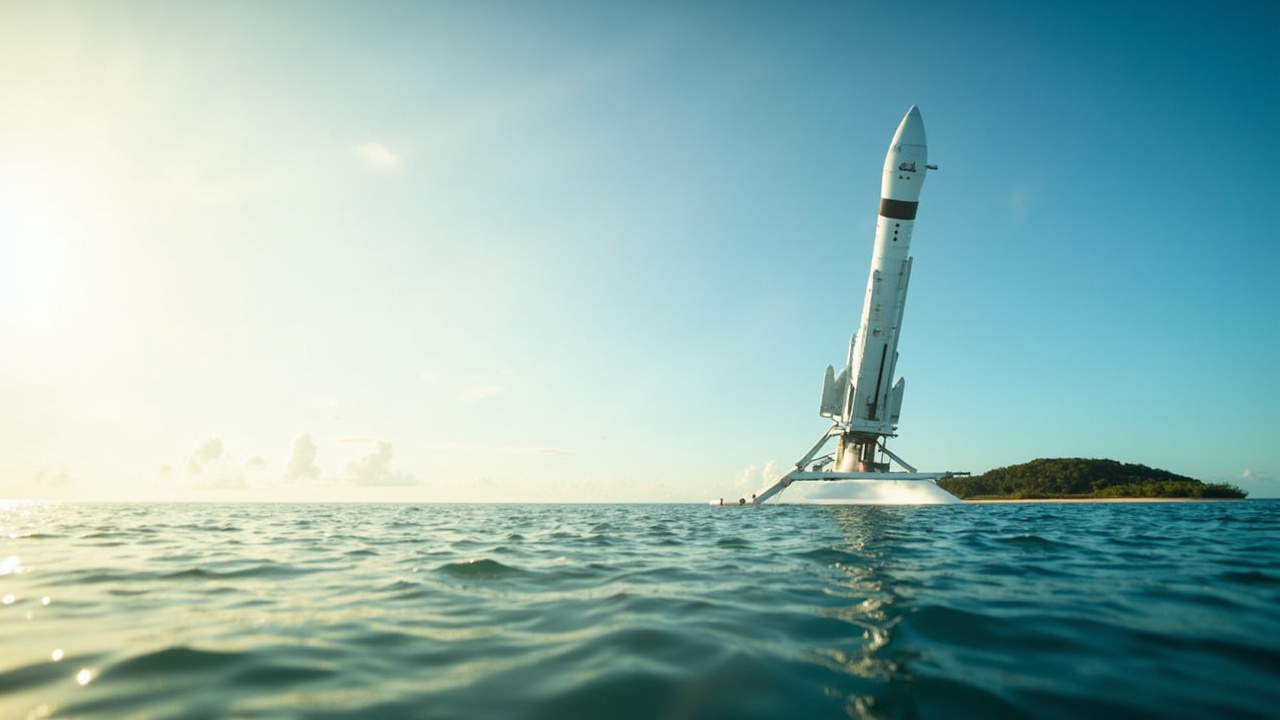
SpaceX rocket fireball linked to plume of polluting lithium
Summary
Scientists link a SpaceX rocket's uncontrolled 2025 re-entry to a tenfold spike in lithium pollution in Earth's upper atmosphere, warning of growing atmospheric contamination from space debris.
Scientists link SpaceX rocket debris to atmospheric pollution
Scientists have directly linked a SpaceX Falcon 9 rocket failure to a sudden spike in lithium pollution in Earth's upper atmosphere. This is the first time researchers have drawn a direct connection between a known piece of space debris crashing to Earth and measurable atmospheric contamination.
The uncontrolled re-entry occurred on February 19, 2025. The rocket vaporized into fireballs over Ireland, England, and Germany before debris, including a 1.5-meter chunk, landed in Poland.
Rocket re-entry created a tenfold lithium spike
Researchers at the Leibniz Institute of Atmospheric Physics in Germany were already studying space debris pollution when the Falcon 9 failed. "We saw the news that this rocket had crashed into Poland. It had flown almost directly over us, and we thought, oh, this is a great chance," said Prof. Robin Wing.
The team fired a laser to detect metal atoms released from the rocket's aluminium-lithium body. They discovered the amount of lithium in the atmosphere around 100km above Earth increased by a factor of 10.
The atmosphere naturally receives about 50-80 grams of lithium daily from small meteors. "A single Falcon 9 rocket has about 30kg, so this is quite a lot more," Wing explained.
Pollution risks to ozone and climate are unknown
The long-term consequences of this metallic pollution are unclear but concerning. "Our largest concern is aluminium and aluminium oxides interacting with the ozone layer," Wing says. The pollution could also disrupt atmospheric aerosols that help moderate Earth's climate.
Wing draws a parallel to the historical use of chlorofluorocarbons, which damaged the ozone layer. "This is a new scientific field. It's hard to speculate because it's changing so quickly," he said. He hopes early measurements can identify problems before they become serious.
Earlier research suggests 10% of aerosols in the stratosphere are already contaminated by particles from re-entering space debris.
SpaceX's expansion raises pollution concerns
The incident highlights growing fears as space activity accelerates. SpaceX is the world's leading launch company and operates a network of over 10,000 Starlink satellites. Elon Musk has recently announced applications to launch one million satellites to support AI data centers in space.
Scientists warn that increased launches will mean more debris re-entries and more atmospheric pollution. "As humans move more activities off-Earth, more debris will fall to Earth, polluting as it plummets," the report notes.
SpaceX did not respond to requests for comment from the BBC or to the researchers' findings.
Scientists call for updated space regulations
The current regulatory framework is struggling to keep pace. Nearly 30,000 tracked pieces of debris are already in orbit, creating collision risks for rockets and the International Space Station.
"Space regulations don't cover the new problems emerging - interference with astronomical observations, risk of collision in orbit, risk of stuff falling on our heads, and now it is becoming clear, atmospheric pollution," said Andy Lawrence, Professor of Astronomy at the University of Edinburgh.
Key issues scientists want addressed include:
- Stricter enforcement of existing space treaties
- New regulations specifically targeting debris and pollution
- Including the protection of Earth's orbit in global sustainability goals
"The international community is working hard trying to set standards and new regulations, but space commerce is changing faster than we can keep up," Lawrence added. Last year, a group of researchers from NASA and several universities called on the UN to formally protect Earth's orbit.
The research linking the Falcon 9 debris to atmospheric lithium pollution is published in the journal Communications Earth & Environment.
Related Articles
Elon Musk wants to put a satellite catapult on the moon. It's not a new idea
Elon Musk wants a moon factory and electromagnetic catapult to launch AI satellites, an idea echoing 1970s proposals for lunar mass drivers to exploit space resources.
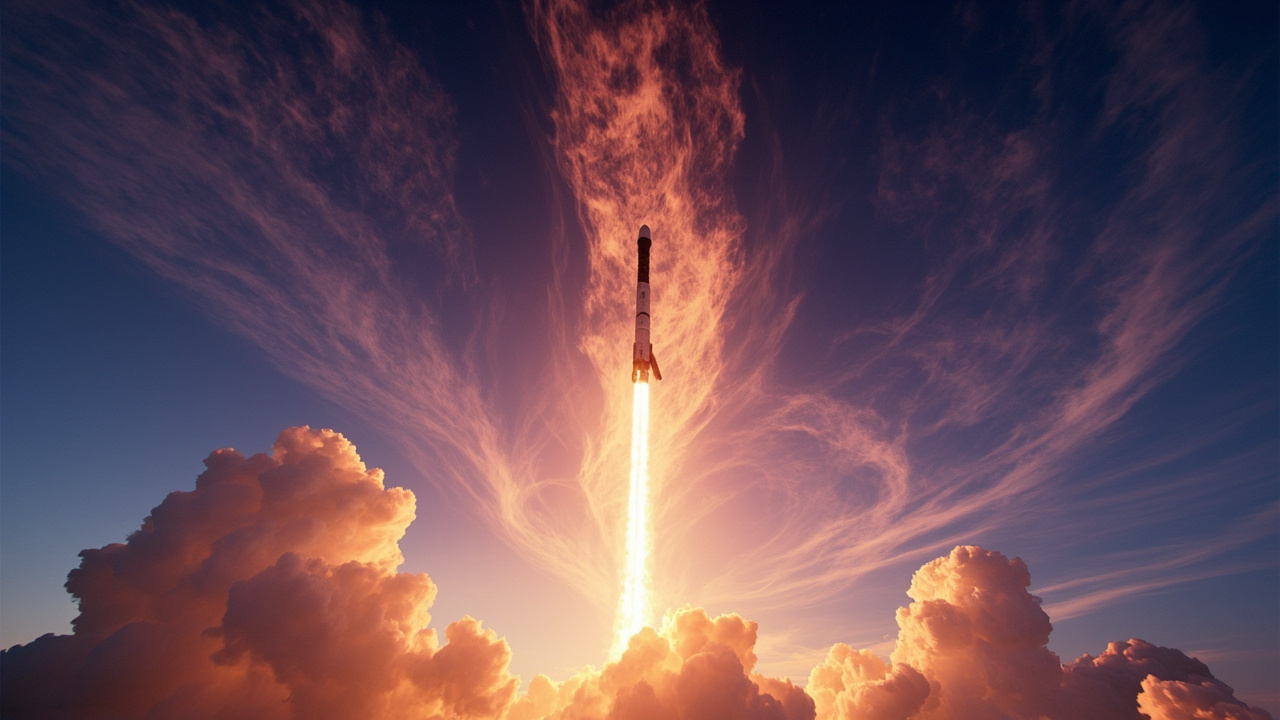
SpaceX Falcon 9 rocket plume blossoms over Florida | Space photo of the day for Feb. 18, 2026
NASA released a nebula-like photo of a SpaceX Falcon 9 launch, showing its exhaust plume forming complex patterns as it carried Crew-12 astronauts to the ISS.
Stay in the loop
Get the best AI-curated news delivered to your inbox. No spam, unsubscribe anytime.