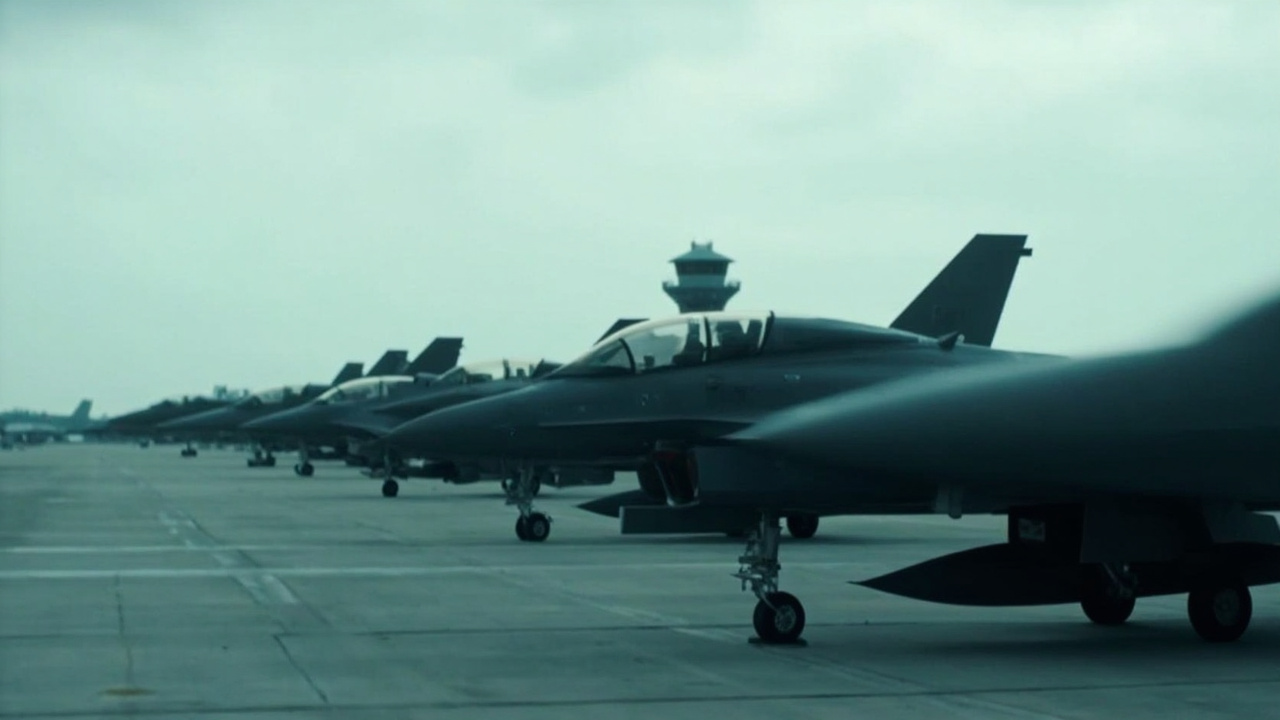
Trump's actions push Europe to reduce dependence on US
Summary
Trump's tariffs, Greenland bid, and defense demands strain US-Europe ties. European leaders, doubting US commitment, are pushing to reduce reliance on America for security and trade.

Trump's actions strain the transatlantic alliance
President Donald Trump’s recent actions are severely testing the United States' relationship with Europe. He has imposed new tariffs on European goods, publicly expressed a desire to purchase Greenland, and repeatedly demanded that European nations dramatically increase their own defense spending.
These moves have created a profound crisis of confidence among American allies. European leaders now openly fear that the era of reliable U.S.-led security guarantees is ending, forcing a strategic rethink.
Europe accelerates push for strategic autonomy
The immediate response has been a concerted European effort to reduce dependence on the United States, both militarily and economically. The goal is a concept known as "strategic autonomy," which would allow Europe to act independently on the world stage.
This shift was the dominant theme at the recent Munich Security Conference. Speaker after speaker from European capitals delivered the same urgent message: Europe must learn to stand on its own.
Marco Rubio's assurances fail to convince
U.S. Secretary of State Mike Pompeo and other American officials attended the conference to offer reassurance. They insisted the United States was not abandoning its allies and that the transatlantic bond remained strong.
Their message fell largely on deaf ears. Few European diplomats and leaders in attendance found the American arguments persuasive, given the tangible policy actions from the White House.
The core disagreements are stark and fundamental:
- Defense Spending: The U.S. demands NATO allies hit a 2% of GDP spending target, viewing it as a burden-sharing issue. Europe sees this as a transactional approach that undermines the alliance's shared-values foundation.
- Economic Policy: New U.S. tariffs on European steel, aluminum, and threatened auto tariffs are treated as acts of economic hostility, not partnership.
- Diplomatic Style: The surprise bid for Greenland and Trump's frequent criticism of allies are seen as erratic and disrespectful, damaging trust.
The end of the post-war security order
For decades, European security was underpinned by a simple bargain: the U.S. would lead Western defense, and Europe would align with American foreign policy. Trump’s presidency has shattered that consensus.
The current friction is not a minor policy dispute but a fundamental questioning of the alliance's purpose. European nations are now actively planning for a future where they cannot automatically depend on U.S. military power, a scenario once unthinkable.
This includes new initiatives for joint European defense projects and command structures outside of NATO's framework. The pace of these efforts has accelerated markedly in the past two years.
An irreversible shift in relations
Analysts believe the rift opened during the Trump administration will have lasting consequences, regardless of future U.S. elections. The experience has proven to Europe that American leadership can be volatile and conditional.
While no one is declaring NATO dead, its role is inevitably changing. The alliance is no longer the sole, uncontested pillar of European defense planning.
The new European mindset is one of prepared independence. The continent is building its own capabilities, knowing that even if America returns as a more traditional ally, it may not—and cannot be expected to—stay forever.
Related Articles

Trump Proposes Rule That Would Cut ACA Enrollment by Over a Million
Trump's new ACA rule would reduce required insurer coverage and push plans with lower premiums but higher out-of-pocket costs, potentially cutting enrollment by 1.2-2 million people.
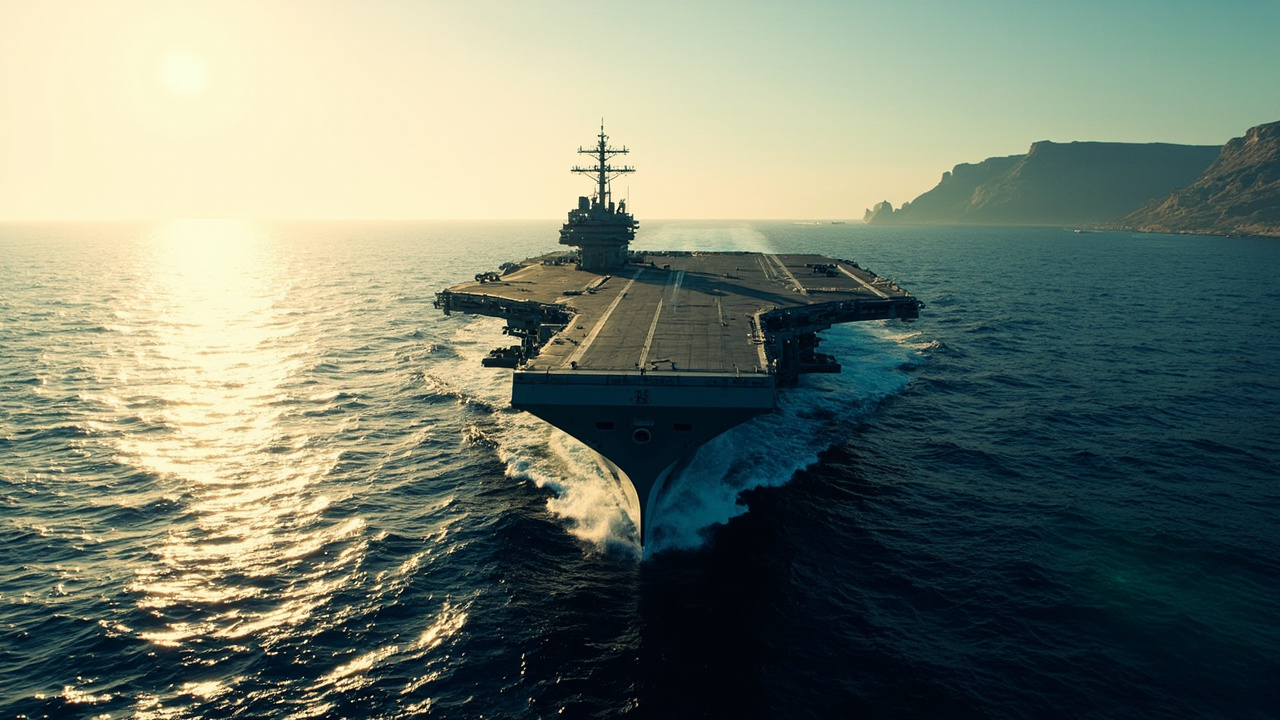
USS Gerald R. Ford to transit Strait of Gibraltar into Mediterranean
The world's largest nuclear aircraft carrier, the USS Gerald R. Ford, is preparing to transit the Strait of Gibraltar. It is heading to the eastern Mediterranean amid heightened Middle East tensions, as part of a major U.S. military reinforcement.
Stay in the loop
Get the best AI-curated news delivered to your inbox. No spam, unsubscribe anytime.