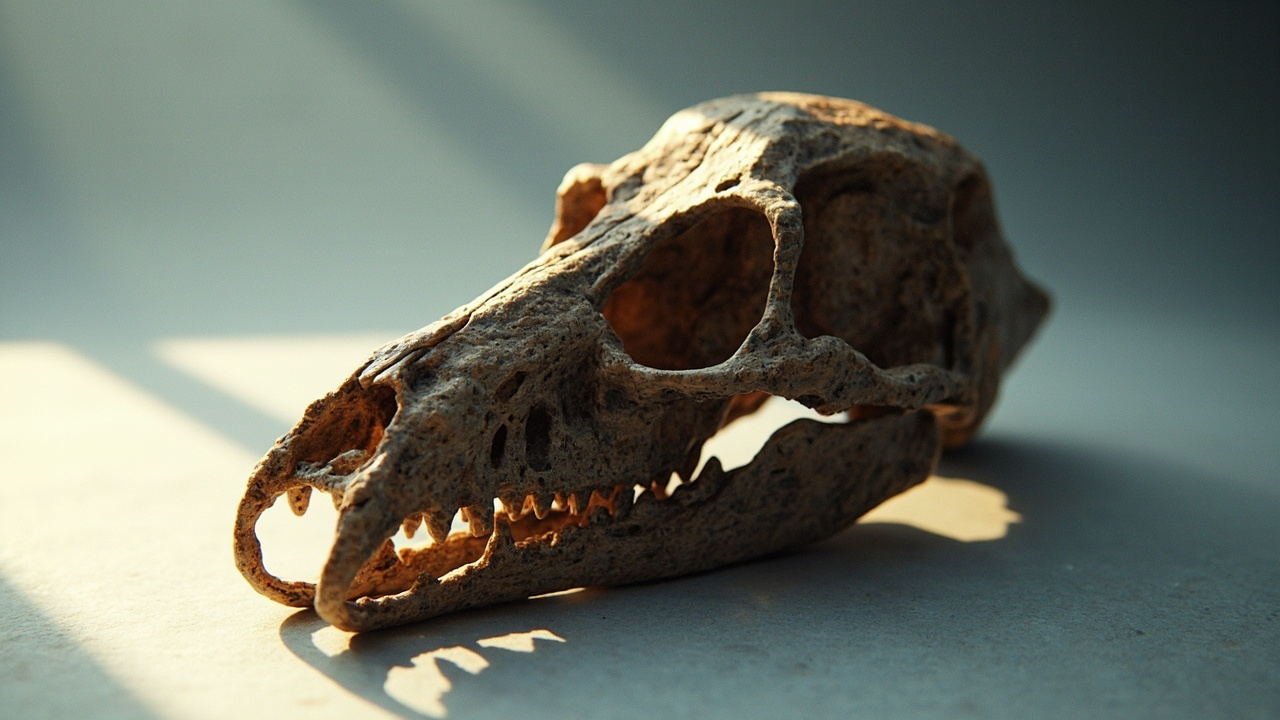
125-million-year-old dinosaur with hollow skin spikes found in China
Summary
A new dinosaur species, Haolong dongi, discovered in China has 125-million-year-old preserved skin with unique hollow spikes, a feature never seen before in dinosaurs.
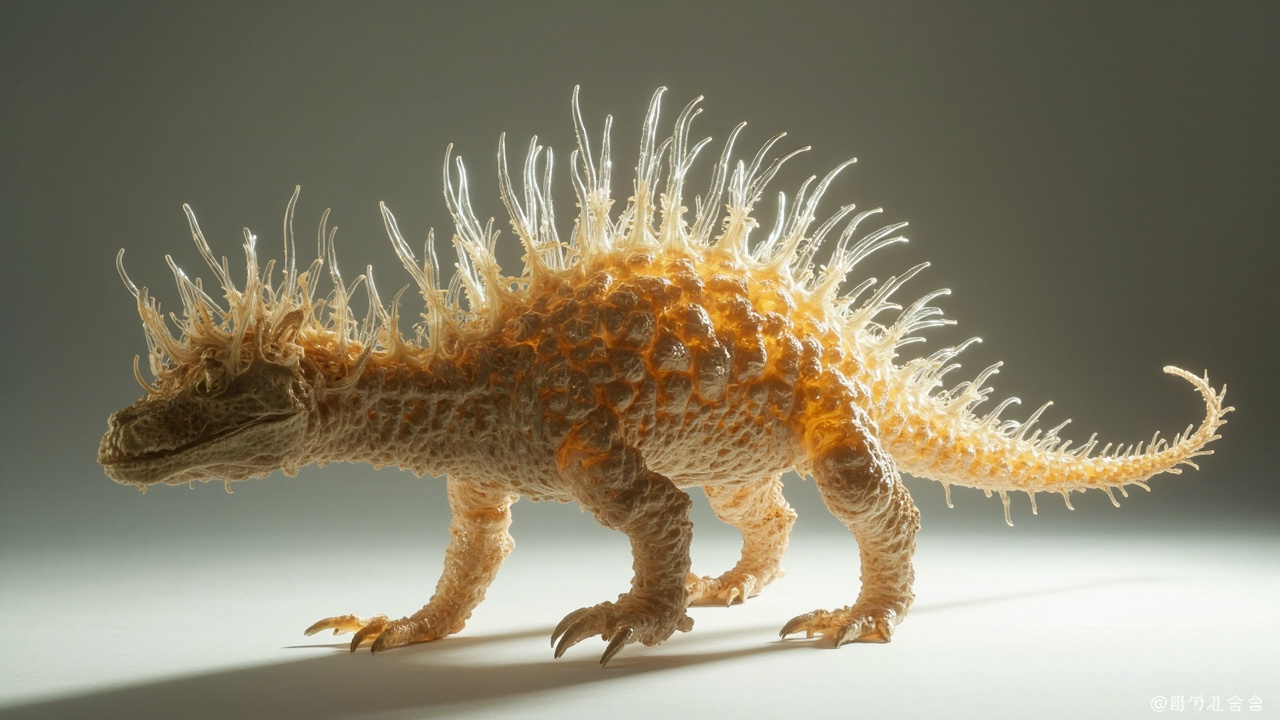
A new dinosaur with hollow skin spikes discovered
Paleontologists have discovered a new dinosaur species with a body covering never seen before: hollow spikes embedded in its skin. The fossil, a remarkably preserved young iguanodontian, was found in China and dates back approximately 125 million years.
Researchers from the CNRS and other institutions published their findings in Nature Ecology & Evolution on February 6, 2026. The specimen's skin was preserved well enough for scientists to analyze it at a cellular level.
Unprecedented preservation reveals cellular detail
The team used advanced X-ray scanning and high-resolution histological analysis to study the fossil. This allowed them to examine ultra-thin slices of the tissue under a microscope.
They found that individual skin cells had been mineralized and preserved. This exceptional detail revealed the unique structure of the dinosaur's skin covering.
The newly identified species has been named Haolong dongi. The name honors Dong Zhiming, a pioneering Chinese paleontologist.
A never-before-seen type of body armor
The dinosaur's body was covered in hollow, spike-like structures that originated from its skin. These are described as cutaneous spikes, meaning they were part of the skin itself and not solid bone.
This feature is a first in dinosaur paleontology. Key characteristics of the spikes include:
- They were hollow structures, unlike solid horns or bony plates.
- They covered much of the juvenile dinosaur's body.
- They represent a completely new type of integument, or body covering, for dinosaurs.
Because the fossil is a juvenile, scientists do not yet know if adults of the species retained these same spikes.
Possible functions: defense, temperature, and sensing
Haolong dongi was a herbivore that lived during the Early Cretaceous period. The hollow spikes likely served multiple purposes in its ecosystem, which included small carnivorous dinosaurs.
The primary hypothesis is defense. The spikes could have functioned similarly to porcupine quills, deterring predators from attack.
Researchers also suggest other potential functions:
- Thermoregulation: The structures could have helped regulate body temperature by increasing surface area for heat exchange.
- Sensory role: The spikes might have helped the dinosaur detect movement or changes in its environment.
Rewriting what we know about dinosaur skin
This discovery fundamentally changes the understanding of dinosaur anatomy and diversity. Until now, there was no evidence that dinosaurs possessed hollow, skin-based spines.
The find adds a new species to the Iguanodontia group, which has been studied since the early 1800s. More importantly, it reveals that dinosaur skin and body coverings were far more varied and complex than previously documented.
Further fossil discoveries will be needed to understand how this feature developed and if it was widespread among other species.
Related Articles
MIT: Microbes used oxygen 500 million years before atmosphere had it
MIT researchers found evidence that some microbes evolved to use oxygen hundreds of millions of years before it became abundant in Earth's atmosphere, potentially delaying the Great Oxidation Event.

Google's emissions up 48% since 2019, driven by AI data centers
Michael Pollan's book explores consciousness and how psychedelics reveal it as a brain construct, suggesting the future of intelligence may be understood through its evolution.
Stay in the loop
Get the best AI-curated news delivered to your inbox. No spam, unsubscribe anytime.