
Disney, Paramount sue ByteDance over AI video tool Seedance 2.0
Summary
ByteDance's Seedance 2.0 AI generates high-quality video from text, impressing creators but sparking Hollywood copyright lawsuits. It highlights China's AI advances and forces debates on ethics, licensing, and the tech's potential to transform low-budget filmmaking.
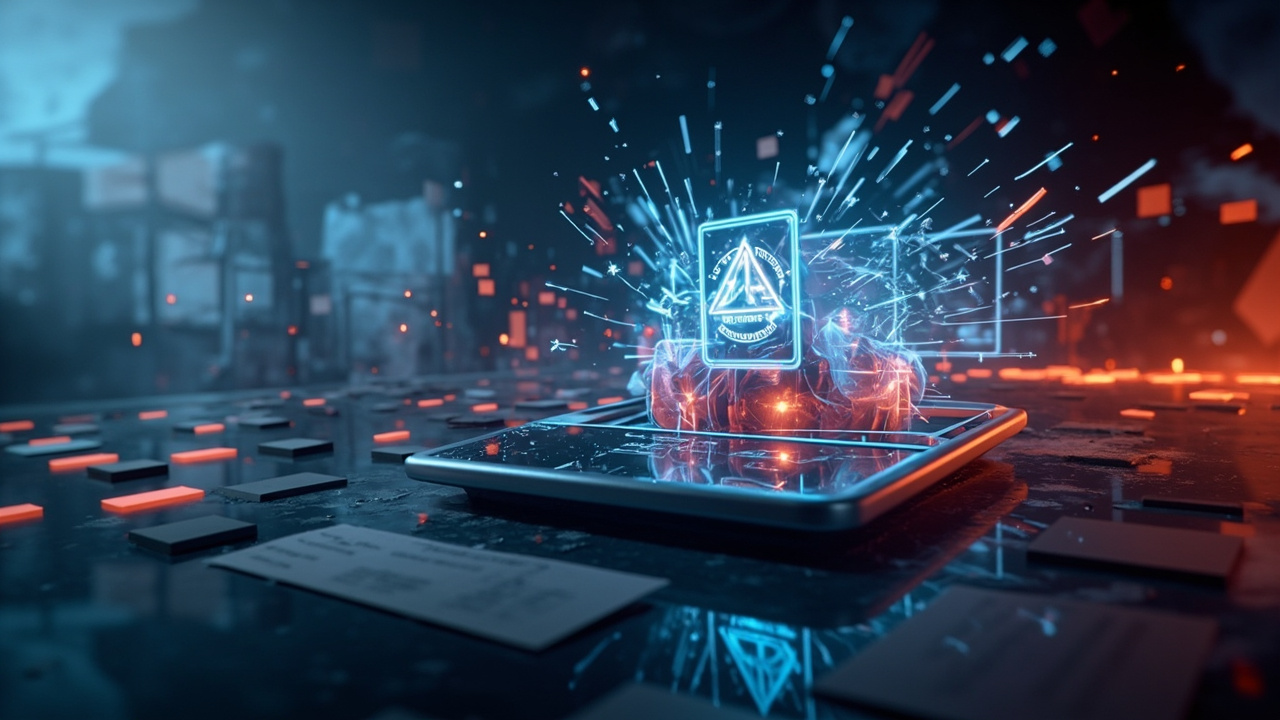
Seedance 2.0 generates Hollywood-quality video
A new AI video model from TikTok's parent company, ByteDance, is generating cinema-quality clips from simple text prompts, sending shockwaves through Hollywood and creative industries. The tool, called Seedance 2.0, can produce videos complete with sound effects and dialogue.
Clips featuring characters like Spider-Man and Deadpool have gone viral, prompting immediate legal action. Major studios including Disney and Paramount have accused ByteDance of copyright infringement and issued cease-and-desist letters.
The model is a significant technical leap
Industry experts say Seedance 2.0 represents a major advance in AI video generation. "For the first time, I'm not thinking that this looks good for AI. Instead, I'm thinking that this looks straight out of a real production pipeline," says Jan-Willem Blom from creative studio Videostate.
The model is particularly notable for integrating text, visuals, and audio into a single system. Its output is being measured by an unlikely benchmark: its ability to generate a realistic clip of Will Smith eating spaghetti, which has spawned viral videos of the star battling a spaghetti monster.
David Kwok of Singapore's Tiny Island Productions says the complex action sequences look more realistic than those from competitors. "It almost feels like having a cinematographer or director of photography specialising in action films assisting you."
Copyright issues are a central conflict
The launch has intensified the ongoing legal battle over AI training data. Beyond Disney and Paramount, Japan is investigating ByteDance for alleged copyright violations after AI videos of popular anime characters spread online.
AI ethics researcher Margaret Mitchell argues that building public trust is more important than "cooler-looking" videos. She says developers must build systems that manage licensing and provide clear mechanisms to contest misuse.
Shaanan Cohney, a computing researcher at the University of Melbourne, suggests ByteDance was likely aware of the copyright risks. "There's plenty of leeway to bend the rules strategically, to flout the rules for a while and get marketing clout," he says.
This conflict is not unique to ByteDance. Recent high-profile cases include:
- The New York Times suing OpenAI and Microsoft in 2023 for using articles without permission.
- Reddit suing Perplexity last year for allegedly illegal data scraping.
- Disney raising similar concerns directly with Google.
The tool is a game-changer for small studios
For smaller production companies, the technology's utility may outweigh legal concerns. David Kwok notes that AI of this quality allows firms to create content they could never otherwise afford.
He points to Asia's booming market for short-form videos and micro-dramas, which typically have tiny budgets. These productions have been limited to genres like romance to avoid costly visual effects.
"Now AI can 'elevate low-budget productions into more ambitious genres such as sci-fi, period drama and, now, action'," Kwok says.
Chinese AI is competing at the frontier
Seedance 2.0 signals China's advancing position in the global AI race. "It signals that Chinese models are at the very least matching at the frontier of what is available," says Shaanan Cohney. "If ByteDance can produce this seemingly out of nowhere, what other kinds of models do Chinese companies have in store?"
This follows the success of another Chinese model, DeepSeek, whose low-cost large language model overtook ChatGPT as the most-downloaded free app on Apple's U.S. store last year.
Beijing has placed AI and robotics at the core of its economic strategy, investing heavily in:
- Advanced computer chip production
- Automation
- Generative AI
Other Chinese firms timed lower-profile AI tool launches around the Lunar New Year, a period when millions experiment with new apps. China analyst Bill Bishop predicts 2026 could mark a turning point for mass AI adoption in the country, moving beyond chatbots to AI agents, coding tools, and routine use by video creators.
Related Articles
AI anxiety could fuel a new workers' movement
AI anxiety is highlighting the power imbalance between employers and workers, potentially fueling a new labor movement as people across industries unite against dehumanizing technology.

Eric Dane, 'Euphoria' Actor, Dies at 53 After ALS Diagnosis
Actor Eric Dane, known for roles in "Charmed" and "Bad Boys," has died at 53 from ALS. Co-stars remember his humor and joy.
Stay in the loop
Get the best AI-curated news delivered to your inbox. No spam, unsubscribe anytime.