
God of War: Sons of Sparta is a dull metroidvania prequel
Summary
Sons of Sparta is a mediocre Metroidvania exploring young Kratos. While it offers a pleasant character study, the gameplay is slow, combat is cluttered, and exploration feels dull. It fails to innovate on the genre.
God of War: Sons of Sparta is a boring metroidvania
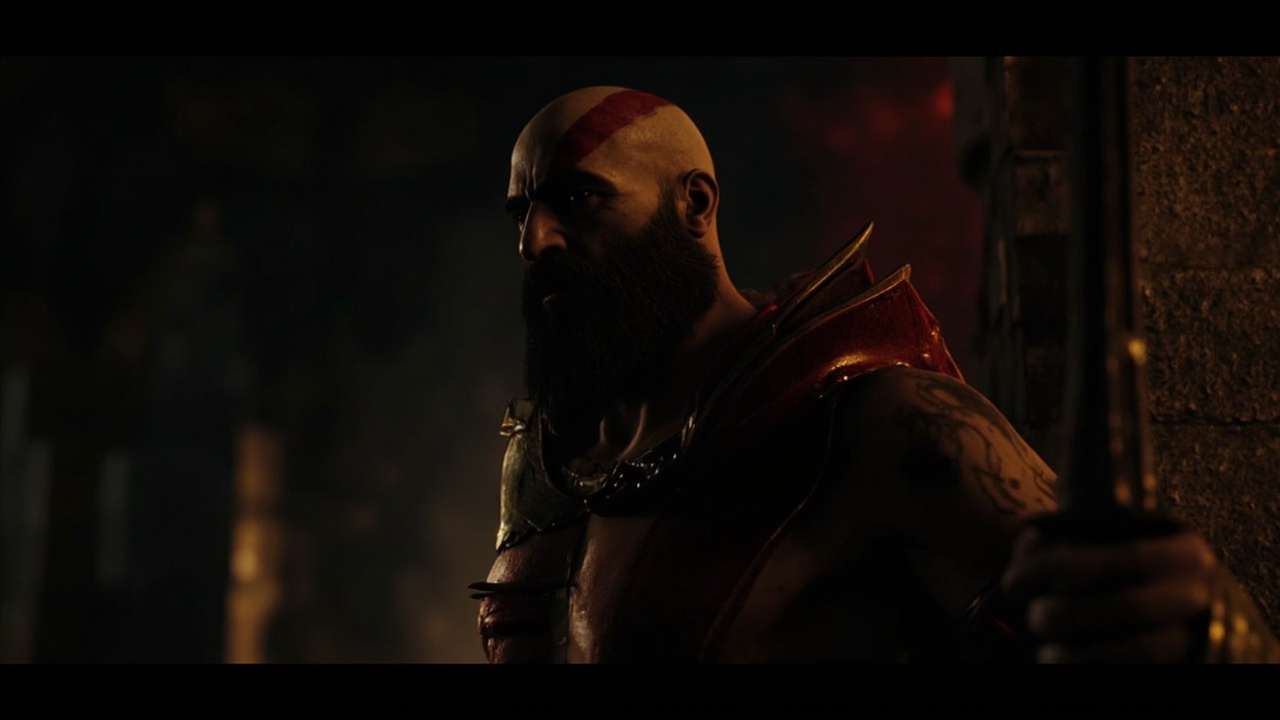
God of War: Sons of Sparta is a prequel that answers a question no one asked: what was Kratos like as a teenager? The answer is a pleasant but dull character study wrapped in a mediocre metroidvania adventure. It fails to meet the high bar of the genre's titans or bring anything novel to the experience.
The game follows a young, pre-Ares Kratos and his brother Deimos as they leave Sparta to protect the surrounding lands. This Kratos is earnest, duty-bound, and even funny—a stark contrast to the rage-fueled ghost of Sparta players know. The story is told as a fable to his daughter, Calliope, adding a layer of charm.
Ultimately, this rehabilitation can't save a rote story. You meet interesting characters only after long stretches of uninteresting travel. Locations like Daedalus's foundry or the Veiled Bog look good but feel generic, serving only as backdrops for the singular goal of finding a missing student.
The pacing is painfully slow
The game's structure is a checklist of metroidvania tropes without innovation. The pacing is its biggest flaw, with key abilities arriving far later than expected. I played for about 10 hours before getting a healing potion and a few more before unlocking a double jump.
This means you spend the early game navigating rudimentary obstacle courses without basic movement tools. Every new ability, like a sprint, feels like it arrives too late, forcing you to re-learn how to navigate areas you've already slogged through.
The journey lasts around 20 hours, much of it filled with a desire to learn more about the cool places you pass through. The best you get is a blurb in a lore compendium, as the game marches you forward without elaborating on intriguing side stories.
Combat is crowded and cloying
For better and worse, combat is the most reliably compelling part of the game. Young Kratos fights with a spear and shield, a departure from the series' signature barbarism. You'll mash a single attack string, poking and bashing enemies.
Normal attacks generate spirit orbs, which fill a gauge for spirit attacks. These do less damage but create health orbs and build stun meter. Stunning an enemy allows for an execution, which is crucial for tougher foes. I immediately missed the combo paths from other God of War games.
The combat system offers many customization options, but few feel impactful:
- Spear Shafts: Change your combo-ender. Most feel similar, with one adding a leaping thrust for extra range.
- Spear Tips: Add passive effects and unlock active abilities. A reach-extending tip that made attacks hit twice was clearly the most versatile.
- Pommels: Provide special attacks that spend spirit meter. These were the most dramatic, like a flurry of thrusts or wide swinging arcs, and I changed them most often to adapt.
Despite the options, I rarely strayed from my early-game setup. Upgrading gear didn't feel rewarding, and I didn't bother leveling spear tips past unlocking their abilities just to see them.
God gifts and defensive chaos
The most dramatic tools are gifts from the gods, which operate like spells. They provide good ranged options and act as keys for environmental puzzles.
- Apollo's sling launches pellets of solid light.
- Hestia's shrub tosses bouncing flames.
They are powerful but restricted by a magic gauge that doesn't refill through combat. Defensively, Kratos has strong tools. A parry can break combos and add stun damage, but it doesn't guarantee victory. Dodges and follow-up attacks are necessities for survival.
Enemies, however, get too cute with their attack types. While most action games use a red flash for unblockable attacks, Sons of Sparta features up to four special attack conditions. You must discern if an attack is blockable, parryable, guard-breaking, or completely undefendable.
This creates chaos in group fights. "Losing in scenarios where multiple enemies might hit you with different kinds of attacks at once always feels like whatever the Greek word is for bullshit," the game concedes.
Boss fights turn the dial to 10
Boss fights amplify this screen-filling chaos. They don't get tricky until the final third of the adventure, but then they demand extended chains of pattern recognition and reflexes.
The earlier bosses are disappointingly easy. All bosses share a major flaw: they remove your offensive options. They are largely immune to status effects and don't have stun bars, negating core combat mechanics like executions.
God of War: Sons of Sparta is a well-meaning but flawed experiment. It successfully reimagines Kratos as a charismatic youth but buries that character in a slow, uninspired metroidvania shell with overcrowded combat. It's a fable that, much like its teenage hero, hasn't quite found its power.
Related Articles
Sony shuts down Bluepoint Games, laying off 70 developers
Sony is closing Bluepoint Games, the developer behind the Demon's Souls remake, in March. The studio's live-service God of War project was canceled last year.
Sony shutting down Bluepoint Games, studio behind Demon's Souls remake
Sony is closing Bluepoint Games, the studio behind Demon's Souls and Shadow of the Colossus remakes, in March. About 70 jobs will be cut.
Stay in the loop
Get the best AI-curated news delivered to your inbox. No spam, unsubscribe anytime.