
Scientists identify enzyme that shatters chromosomes, driving cancer evolution
Summary
Scientists found the enzyme N4BP2 triggers chromothripsis, a catastrophic chromosome shattering that drives aggressive cancers. Blocking it could slow tumor evolution and drug resistance.
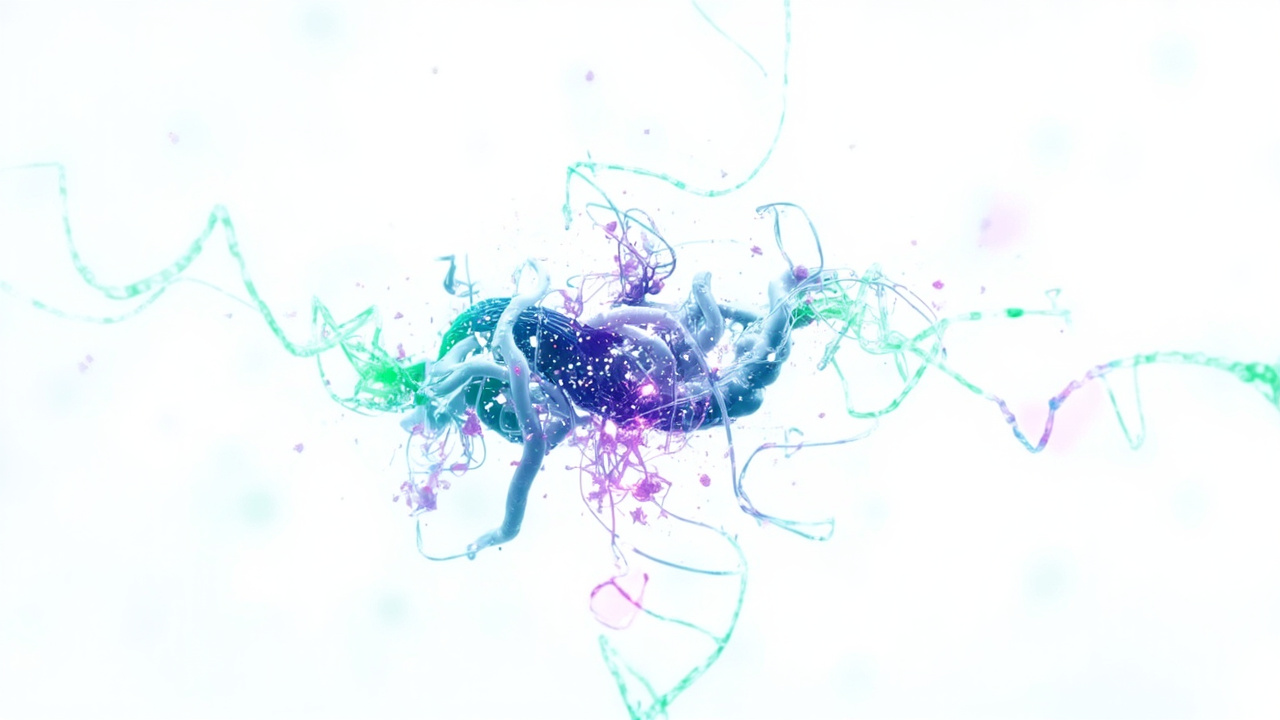
Scientists find the enzyme that shatters cancer chromosomes
Scientists have identified the enzyme that triggers a catastrophic genetic event in cancer cells called chromothripsis. This discovery, published in Science, reveals the molecular cause of a process that allows tumors to rapidly evolve and resist treatment.
Chromothripsis occurs when an entire chromosome shatters into pieces and is reassembled incorrectly. This single event can create dozens or hundreds of genetic mutations at once, giving cancer cells a massive evolutionary boost.
Chromothripsis is a common cancer driver
This chaotic chromosome rearrangement is not rare. Research suggests it occurs in roughly one in four cancers overall.
Its prevalence is even higher in some of the most aggressive tumors. Evidence of chromothripsis is found in:
- Nearly all osteosarcomas (bone cancers)
- Many brain cancers
"This discovery finally reveals the molecular 'spark' that ignites one of the most aggressive forms of genome rearrangement in cancer," said senior author Don Cleveland, a professor at UC San Diego School of Medicine.
The search for the culprit enzyme
The process starts when a chromosome gets trapped in a fragile compartment called a micronucleus during faulty cell division. If the micronucleus ruptures, the chromosome is exposed to DNA-cutting enzymes called nucleases.
Until now, no one knew which specific nuclease was responsible for the initial fragmentation. To find it, the research team systematically screened all known human nucleases in living cancer cells.
One enzyme, called N4BP2, stood out. It was uniquely able to enter micronuclei and shred the DNA inside.
N4BP2 is the direct cause
The team confirmed N4BP2's role through a series of experiments. When they removed the enzyme from brain cancer cells, chromosome shattering dropped dramatically.
Conversely, forcing N4BP2 into the nucleus of healthy cells caused intact chromosomes to break apart. "This is the first direct molecular explanation for how catastrophic chromosome fragmentation begins," said first author Ksenia Krupina.
Link to aggressive tumors and ecDNA
The researchers analyzed over 10,000 cancer genomes across multiple tumor types. Cancers with high N4BP2 activity showed significantly more chromothripsis and large-scale DNA rearrangements.
These tumors also had more extrachromosomal DNA (ecDNA). These circular DNA fragments carry cancer-promoting genes and are a hallmark of aggressive, treatment-resistant cancers.
The findings suggest ecDNA is not a separate phenomenon but a downstream consequence of chromothripsis. This places N4BP2 at the very start of a chain reaction leading to extreme genetic instability.
A new potential target for therapy
By identifying the initial trigger, the research points to a new strategy for slowing cancer evolution. The goal would be to prevent tumors from gaining the chaotic genetic diversity that makes them adaptable and hard to kill.
"By targeting N4BP2 or the pathways it activates, we may be able to limit the genomic chaos that allows tumors to adapt, recur and become drug-resistant," said Cleveland.
The study was funded in part by the National Institutes of Health and involved researchers from UC San Diego and the University of Cambridge.
Related Articles

First cat cancer genetic map reveals mutations shared with humans
Cat cancer genetics study reveals similarities to human cancers, offering new treatment insights for both species.
Grail's cancer blood test fails key NHS study, shares drop 47%
Grail's cancer blood test failed its main goal in a large NHS study, causing its stock to drop 47%.
Fish oil supplements may raise colon cancer risk in some people, study finds
Fish oil's cancer effects depend on an enzyme, ALOX15. Without it, supplements may not prevent colorectal tumors. EPA forms worked better than DHA in mice. Consult a doctor before use.
Stay in the loop
Get the best AI-curated news delivered to your inbox. No spam, unsubscribe anytime.