
Second pregnancy reshapes brain differently than first, study finds
Summary
A second pregnancy uniquely changes a woman's brain, with both similar and distinct neural transformations compared to a first pregnancy.
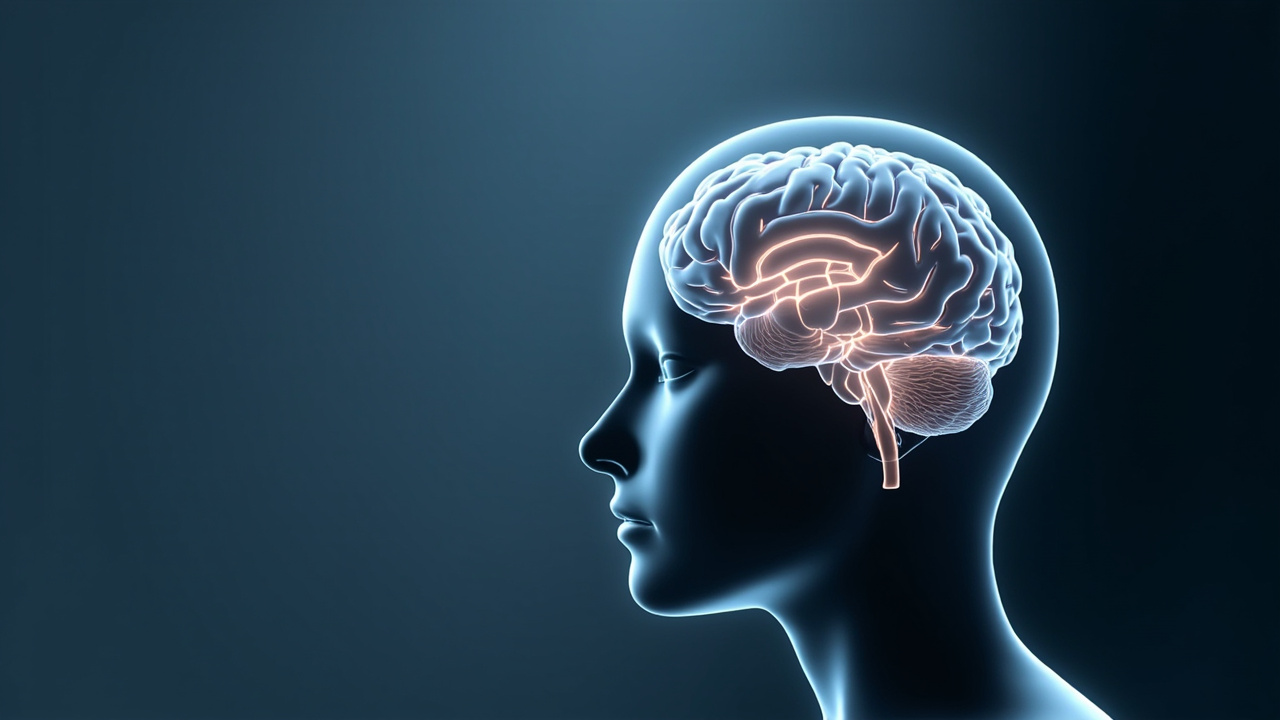
Second pregnancy reshapes the brain differently
A second pregnancy causes unique and distinct changes to a woman's brain, according to a new study. The research shows these changes are both similar to, and markedly different from, the brain transformation that occurs during a first pregnancy.
Previous studies have established that a first pregnancy alters brain structure and activity. This new work is the first to map how the brain adapts during a subsequent pregnancy.
Tracking brain changes across pregnancies
Researchers conducted a prospective study with 110 women. The cohort included women who became pregnant with their second child, women pregnant with their first child, and women who had never been pregnant.
The team used multimodal MRI scans to compare brain changes between the groups. They focused on grey matter volume, white matter tracts, and the organization of functional neural networks.
Findings show a mix of fine-tuning and new adaptation
The study found that a second pregnancy involves both a refinement of earlier changes and the development of entirely new neural adaptations. Changes in key networks related to internal thought and executive function were similar but less pronounced in second-time mothers.
This suggests the brain's primary adaptation to motherhood happens during the first pregnancy. The second pregnancy serves to fine-tune these established networks.
However, the research revealed stronger, novel alterations in second pregnancies within networks governing external attention and physical movement. This included significant changes to the corticospinal tract.
- Default Mode and Frontoparietal Networks: Showed similar, but reduced, changes in second pregnancies, indicating a fine-tuning process.
- Dorsal Attention and Somatomotor Networks: Exhibited stronger alterations in second pregnancies, pointing to enhanced plasticity for externally-focused tasks.
Brain changes linked to maternal bonding and health
The observed neurostructural changes in both groups of mothers were not just anatomical. They were functionally significant, correlating with two key postpartum outcomes.
The changes were linked to the quality of mother-infant attachment. They also showed a relationship with symptoms of peripartum depression, highlighting the deep connection between brain remodeling and maternal mental health.
A unique neural blueprint for each pregnancy
The findings confirm that the brain remains highly plastic across multiple pregnancies. Each pregnancy carves a unique neural pathway, building upon and diverging from the last.
"These findings show that a second pregnancy uniquely changes a woman’s brain," the researchers concluded, "entailing both convergent and distinct neural transformations." The study paints a picture of the maternal brain as dynamic and continually adapting to the evolving demands of parenthood.
Related Articles
Lack of fiber harms older brains in just three days, rat study finds
A new study in rats found that a lack of dietary fiber, common in refined diets, can quickly impair emotional memory in older brains, specifically affecting the amygdala. This suggests fiber is crucial for cognitive health in aging.

CDC: 1 in 4 pregnant women now delay prenatal care
Fewer U.S. women are getting early prenatal care, with delays or no care increasing from 2021 to 2024. Possible causes include pandemic effects, reduced OB-GYN access, and maternity care deserts.
Stay in the loop
Get the best AI-curated news delivered to your inbox. No spam, unsubscribe anytime.