Annular solar eclipse creates 'ring of fire' over Antarctica
Summary
A 2026 annular solar eclipse created a "ring of fire" in the sky over Antarctica, visible to only a handful of people.
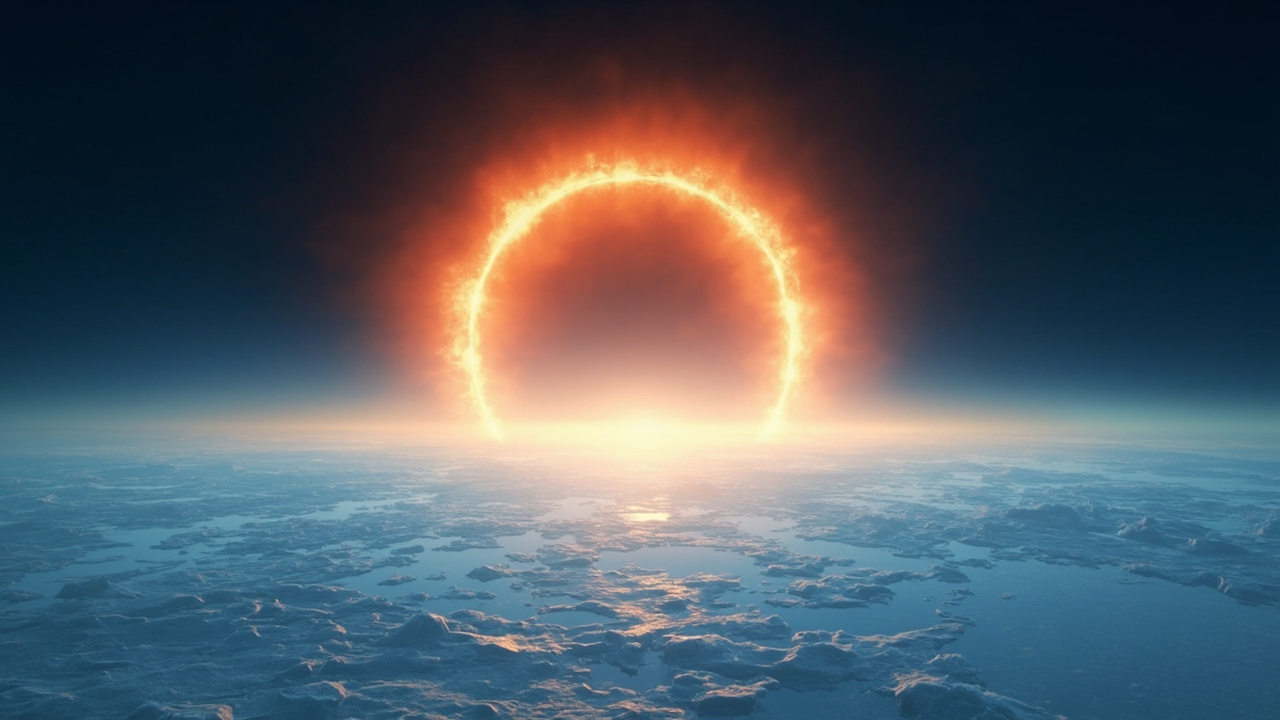
An annular solar eclipse occurred over Antarctica
On February 17, the moon passed directly in front of the sun, creating a "ring of fire" eclipse visible from a remote part of Antarctica. The event was an annular solar eclipse, where the moon is too far from Earth in its elliptical orbit to completely cover the sun's disk.
The eclipse began at 4:56 a.m. EST (0956 GMT). The moon's silhouette gradually covered the sun, leaving a brilliant, thin ring of sunlight visible around its edges during the peak annularity phase.
The eclipse path was remote and brief
The path of annularity was a narrow corridor about 383 miles (616 kilometers) wide across the Antarctic continent. This path included the Concordia research station, which typically hosts fewer than 100 people.
The spectacular "ring of fire" phase lasted just over two minutes. A partial eclipse was visible to an estimated 176 million people in southern South America and parts of southern Africa, including Madagascar.
The entire celestial event concluded at 9:27 a.m. EST (1427 GMT) as the moon moved completely away from the sun.
How to safely view a solar eclipse
Looking directly at the sun without proper protection can cause permanent eye damage. For safe solar viewing, you must use specialized equipment designed to filter out harmful solar radiation.
- Use only eclipse glasses or handheld viewers that comply with the ISO 12312-2 international safety standard.
- Inspect your solar filters before use. If they are scratched, punctured, torn, or otherwise damaged, do not use them.
- Supervise children closely to ensure they use solar viewers correctly.
- Do not look at the sun through an unfiltered camera, telescope, binoculars, or other optical device, even while wearing eclipse glasses.
Two major eclipses are coming in 2026
The next major eclipse event is a total lunar eclipse, or "blood moon," on March 3. During this event, Earth passes between the sun and moon, casting a reddish shadow on the lunar surface.
This lunar eclipse will be visible to over 2.5 billion people, including viewers in North America who will see the moon set as it is eclipsed. No eye protection is needed to view a lunar eclipse.
A much-anticipated total solar eclipse will follow on August 12, 2026. This eclipse will be visible across parts of the Arctic, Greenland, Iceland, and Spain. Proper eye protection will be an absolute necessity for anyone hoping to view the partial phases of this event.
Related Articles
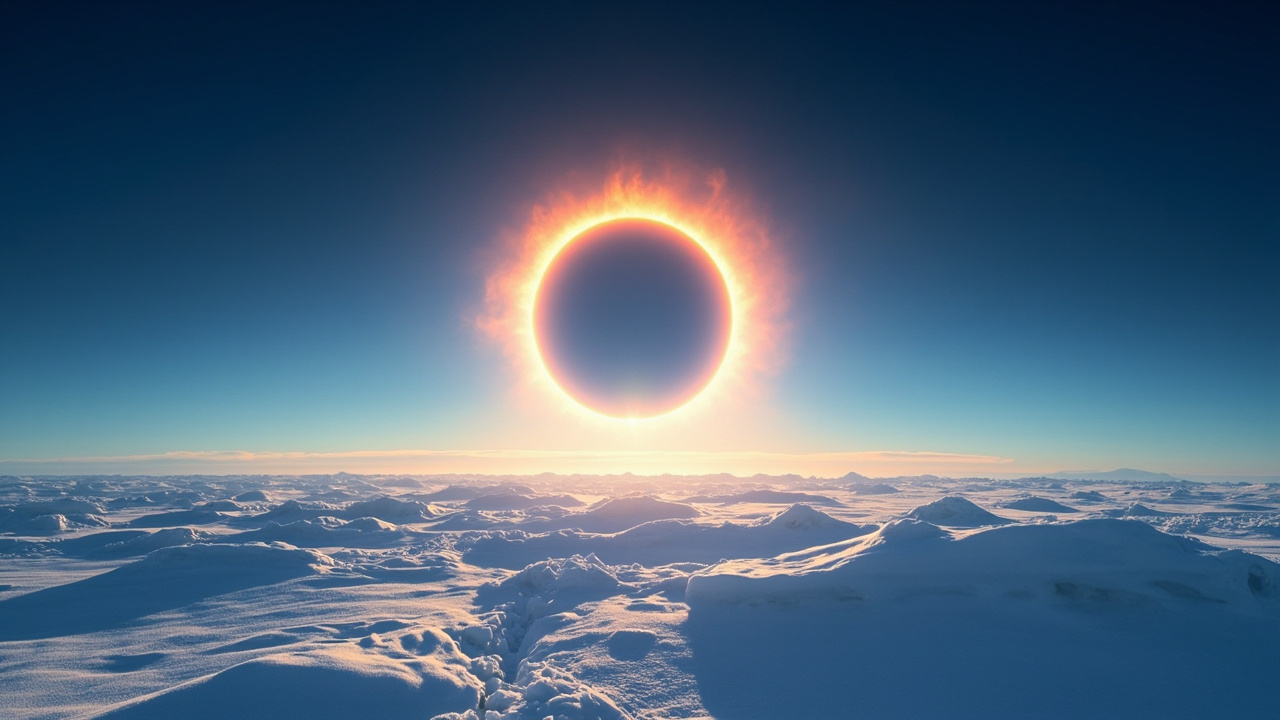
Annular solar eclipse creates 'ring of fire' over Antarctica
A "ring of fire" annular solar eclipse occurred over Antarctica on Feb. 17, visible as a partial eclipse in some southern regions.

Giant dome for world's largest telescope nears completion in Chile
A new photo shows the Extremely Large Telescope's dome nearing completion in Chile. The massive structure will house a giant mirror, with first light expected in 2029, revolutionizing our view of the cosmos.
Stay in the loop
Get the best AI-curated news delivered to your inbox. No spam, unsubscribe anytime.