2 min read
Annular solar eclipse created 'ring of fire' over Antarctica on Feb. 17
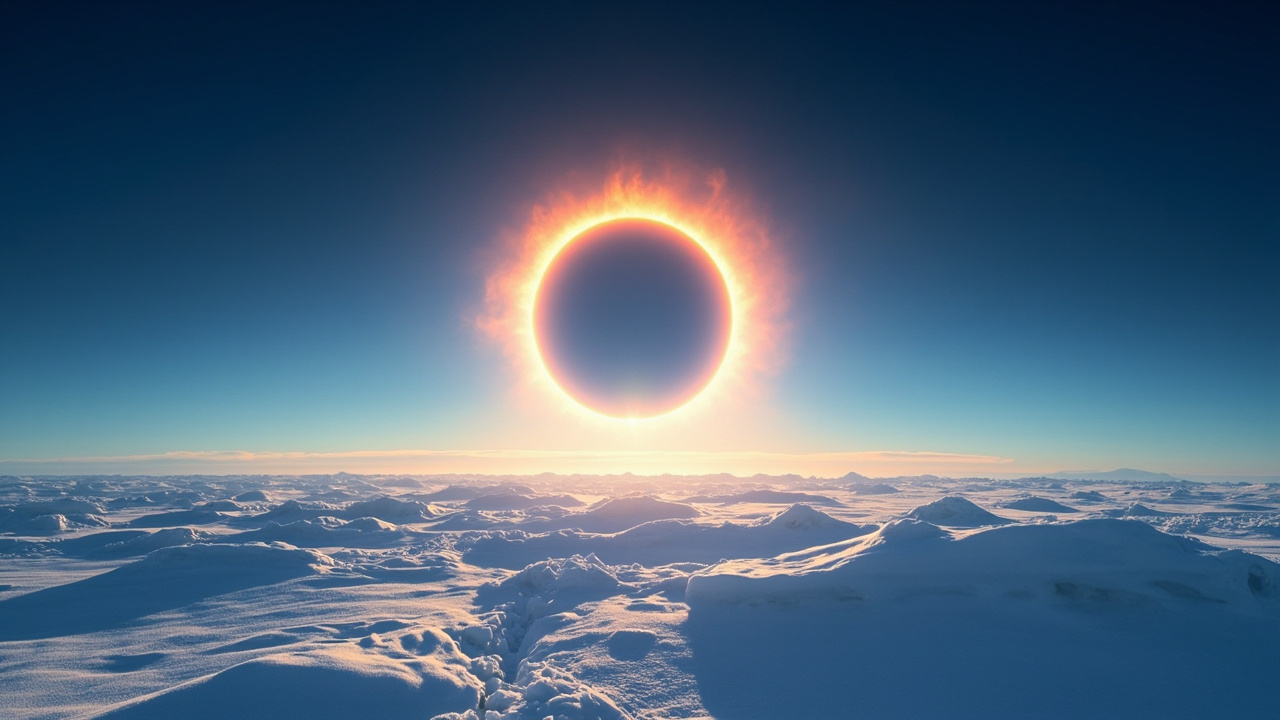
A "ring of fire" annular solar eclipse occurred over Antarctica on Feb. 17, visible as a partial eclipse in some southern regions.

5 articles
A "ring of fire" annular solar eclipse occurred over Antarctica on Feb. 17, visible as a partial eclipse in some southern regions.

An annular solar eclipse occurred over Antarctica on Feb. 17, visible as a partial eclipse in parts of southern Africa and South America. The next major eclipse is a total solar eclipse on Aug. 12, 2026.
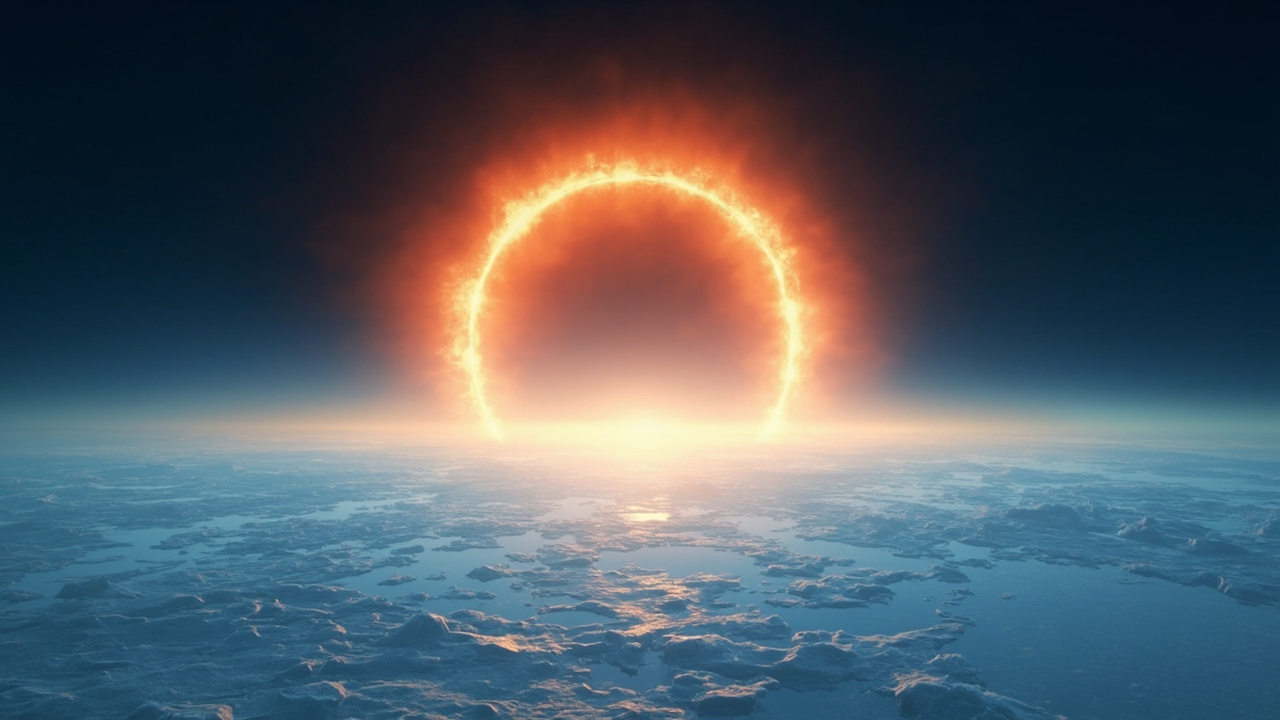
A 2026 annular solar eclipse created a "ring of fire" in the sky over Antarctica, visible to only a handful of people.

Satellites captured the Feb. 17 annular solar eclipse over Antarctica, where the moon blocked most of the sun, leaving a "ring of fire." The next major eclipse is a total lunar eclipse on March 3.
Scientists retrieved a 228-meter sediment core from under Antarctica's ice, revealing 23 million years of climate history to study past ice sheet retreat and future sea-level rise.