
Astronomers see star collapse into black hole without supernova
Summary
Astronomers observed a massive star in Andromeda skip a supernova and collapse directly into a black hole, providing the most detailed view yet of how stellar black holes form.
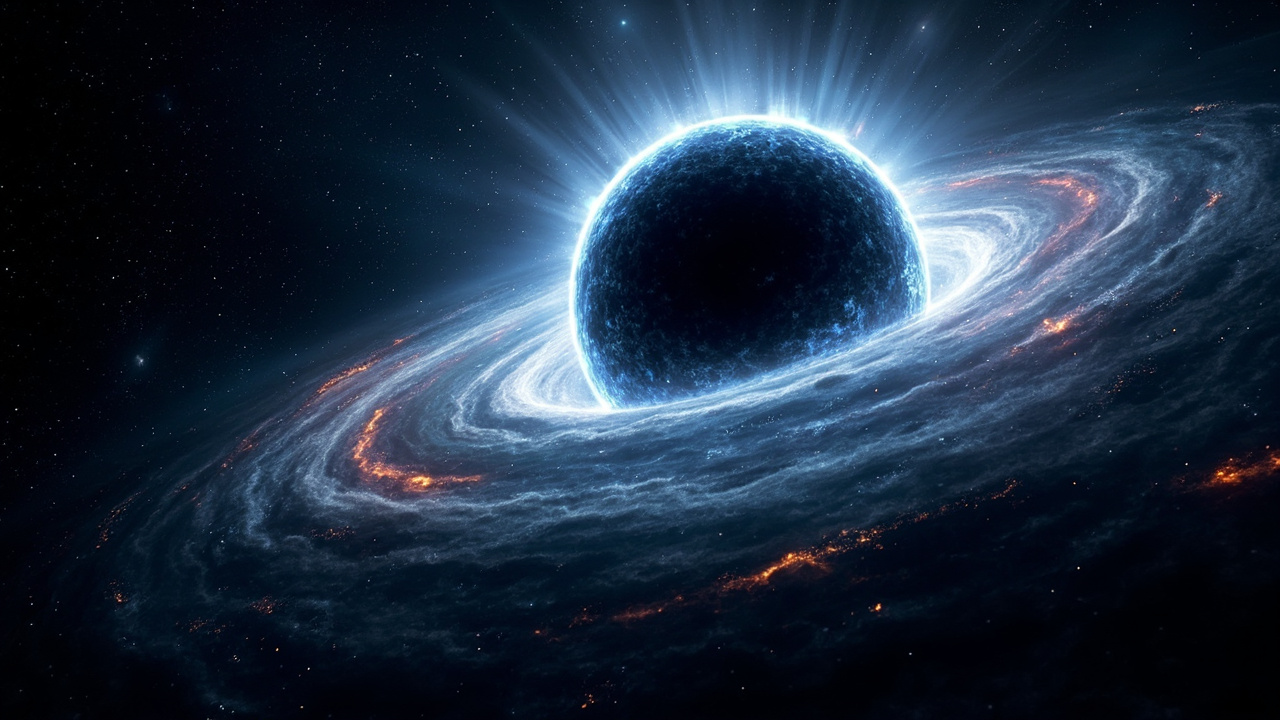
Astronomers watch a star become a black hole
Astronomers have directly observed a massive star skip a supernova and collapse directly into a black hole. The findings, published February 12 in Science, provide the most detailed observations ever of this transition.
By combining fresh telescope data with over a decade of archived observations, scientists tested long-standing theories about how the most massive stars die. The star, known as M31-2014-DS1, was located about 2.5 million light-years away in the Andromeda Galaxy.
The star's strange disappearance
Researchers examined data from NASA's NEOWISE mission and other telescopes collected between 2005 and 2023. They found the star began brightening in infrared light in 2014.
Then, in 2016, its brightness dropped sharply in less than a year. By 2022 and 2023, the star had nearly vanished in visible and near-infrared light.
"This star used to be one of the most luminous stars in the Andromeda Galaxy, and now it was nowhere to be seen," says lead author Kishalay De, an associate research scientist at the Simons Foundation's Flatiron Institute. "Imagine if the star Betelgeuse suddenly disappeared."
What remains can now only be detected in mid-infrared light, glowing at roughly one-tenth of its original intensity. The extreme drop in brightness strongly indicates the star's core collapsed and formed a black hole.
How a star skips a supernova
Stars shine because nuclear fusion in their cores creates outward pressure that counteracts gravity. In stars at least 10 times more massive than our sun, this balance breaks down when nuclear fuel runs low.
Gravity overwhelms the outward pressure, causing the core to collapse. In many cases, this creates a shock wave that tears the star apart in a supernova.
But if that shock wave is too weak, much of the star can fall back inward. Theoretical models have long suggested this fallback can turn the resulting neutron star into a black hole.
"We've known for almost 50 years now that black holes exist," says De. "Yet we are barely scratching the surface of understanding which stars turn into black holes and how they do it."
The role of convection and dust
The detailed study revealed a crucial missing ingredient in understanding failed supernovae: convection. This is the churning motion of gas inside a star driven by temperature differences.
When the core collapses, the outer gas is still in motion from this churning. Models developed at the Flatiron Institute show this motion prevents most outer material from plunging straight into the black hole.
Instead, some inner layers circle the black hole, while the outermost layers are pushed outward. As this expelled material travels away, it cools and forms dust.
That dust blocks light from the hotter gas closer to the black hole, absorbs energy, and reemits it in infrared wavelengths. The result is a lingering reddish glow that can last for decades.
"The accretion rate—the rate of material falling in—is much slower than if the star imploded directly in," says co-author Andrea Antoni, a Flatiron Research Fellow. "Instead of taking months or a year to fall in, it's taking decades."
Revisiting an older mystery
As they analyzed M31-2014-DS1, the team also reexamined a similar object identified a decade earlier: NGC 6946-BH1. The new study provides strong evidence both stars followed a similar path.
What first seemed like an unusual case now appears to be part of a broader category of failed supernovae that quietly produce black holes. Researchers estimate only about one percent of the star's original outer envelope ultimately feeds the black hole.
M31-2014-DS1 initially stood out as an "oddball," De says, but it now seems to be one of several examples. "It's only with these individual jewels of discovery that we start putting together a picture like this."
The findings offer a benchmark for understanding stellar black hole formation. Light from the dusty debris surrounding this newborn black hole will be visible for decades to telescopes like the James Webb Space Telescope as it slowly fades.
Related Articles
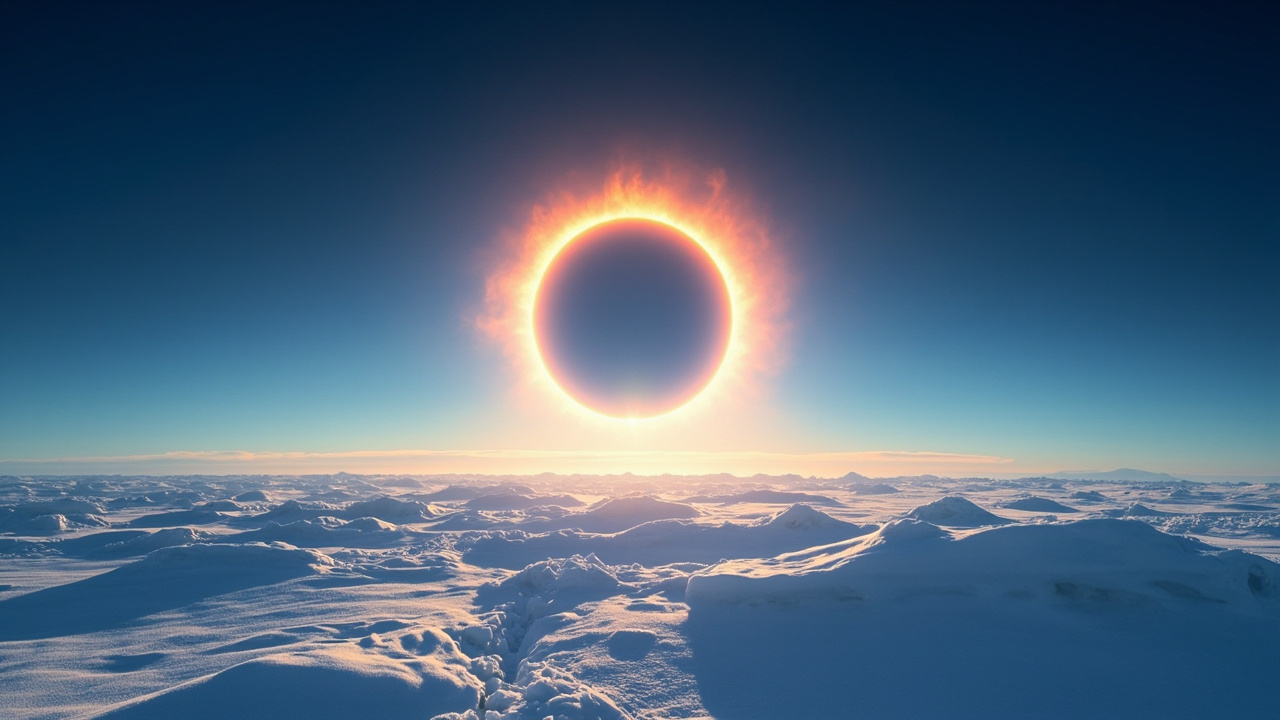
Annular solar eclipse creates 'ring of fire' over Antarctica
A "ring of fire" annular solar eclipse occurred over Antarctica on Feb. 17, visible as a partial eclipse in some southern regions.
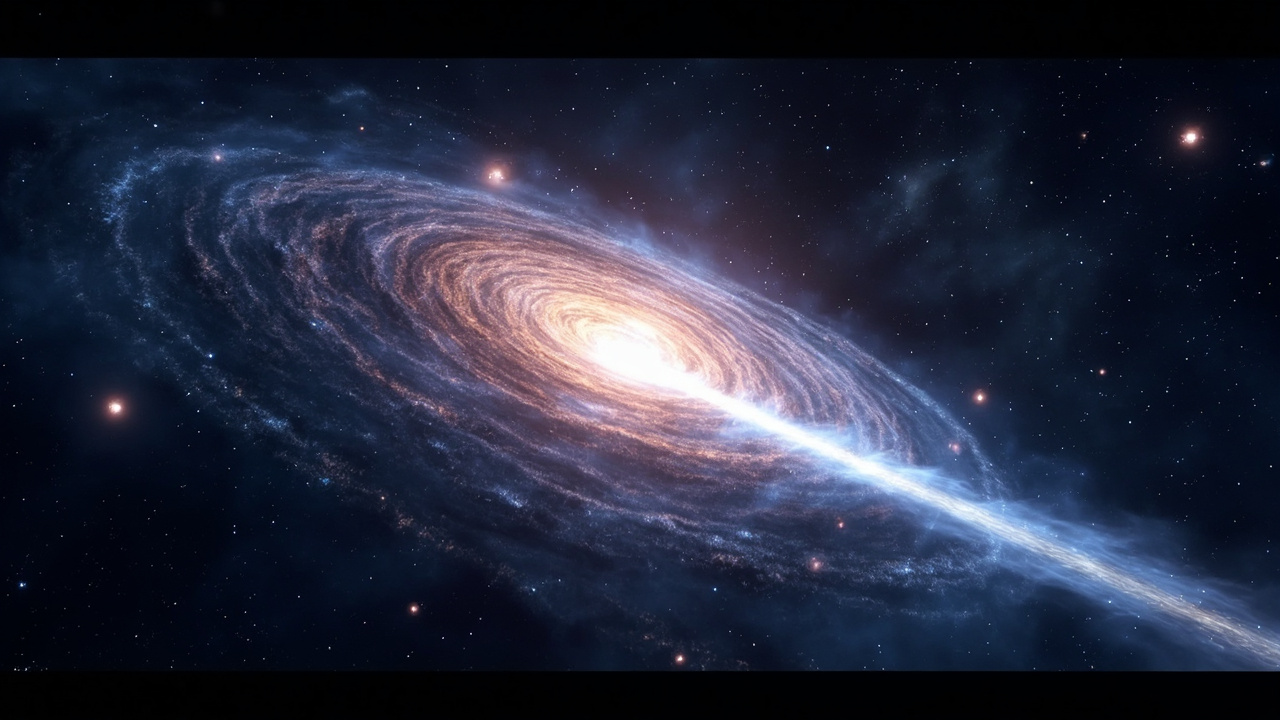
Scientists trace origin of ultra-energetic Amaterasu cosmic ray
Scientists found the Amaterasu particle, an ultra-energetic cosmic ray, likely came from a nearby star-forming galaxy, not an empty void.
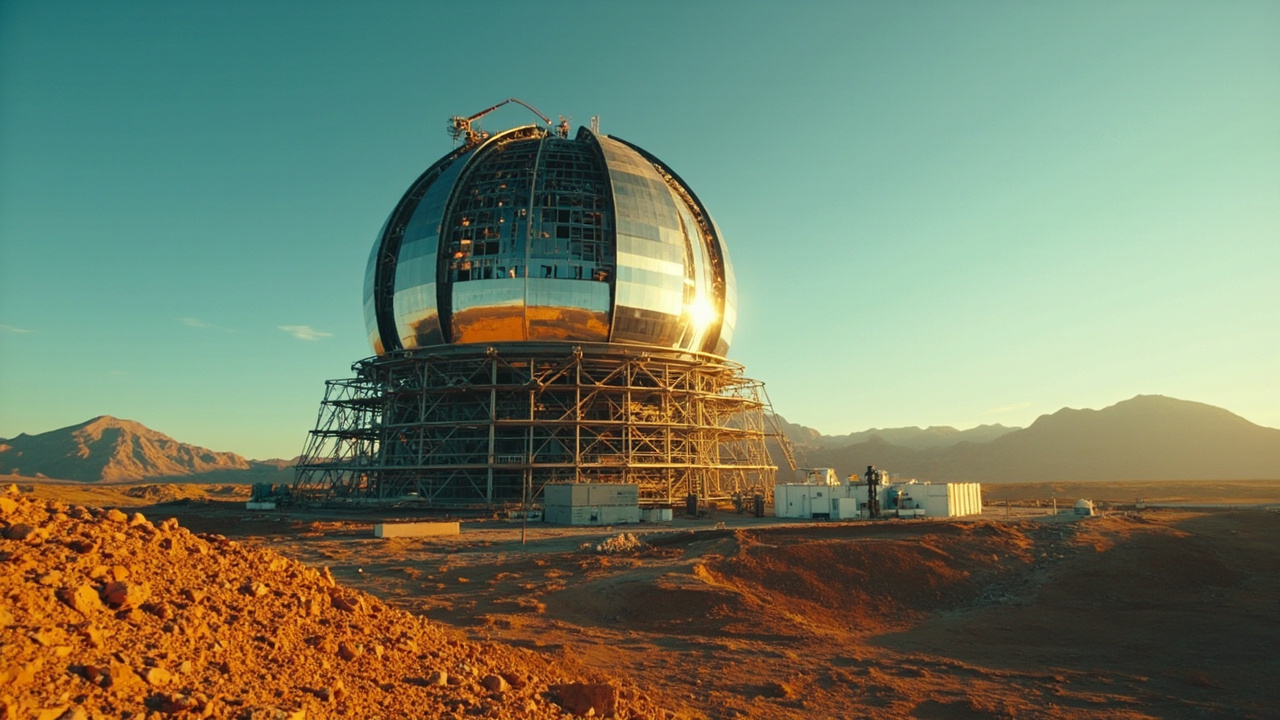
ELT's 80-meter dome nears completion in Chile
A new photo shows the Extremely Large Telescope's dome nearing completion in Chile. The massive structure will house a giant mirror, with first light expected in 2029, revolutionizing our view of the cosmos.
Stay in the loop
Get the best AI-curated news delivered to your inbox. No spam, unsubscribe anytime.