
Avalanche deaths spike in Alps and California, killing at least 95 this season
Summary
Avalanches in the Alps and California highlight increased risks. Factors include climate change causing intense snow after droughts, weak snowpack layers, and more skiers going off-piste. Safety gear and local advice are crucial.
Avalanche deaths spike in the Alps and California
Eight skiers are dead and one is missing after an avalanche in California this week. In the Alps, a severe snow season has killed at least 95 people, including three Britons, marking one of the deadliest winters in recent years.
The two crises stem from different weather patterns. California's avalanche followed a "snow drought," where new powder failed to bind to old, hard snow. The Alps, however, have been hit by two major storms in a week, dumping heavy snow and creating widespread high-risk avalanche conditions.
One Alpine resort stated the current situation could be the worst this century. Evacuations, power outages, and a train derailment in Switzerland have accompanied the danger.
The complex role of climate change
While climate change is an obvious suspect, scientists say the link to avalanche risk is complex. "There is evidence that climate change will lead to sharper, more intense precipitation followed by long periods without," said Simon Mason, a senior scientist at SEI US.
This pattern fits Europe's recent seasons of low snowfall and dry periods. However, Mason cautions that "it is difficult to conclude how risks may evolve" because many factors control avalanches.
Some experts note this Alpine winter—dominated by high pressure and dry spells until recently—is the opposite of a typical climate-change-influenced season. The main issue was a weak snowpack with persistent weak layers, according to Benjamin Zweifel of the Swiss Federal Institute for Snow and Avalanche Research.
Warming temperatures could directly increase dangerous "wet snow" avalanches, which are harder to predict. A 2021 study also suggested wetter snow and thinner snow cover could lower survival rates and increase injury risks.
Skiers are taking more risks off-piste
Experts point to human behavior as a key factor in the rising death toll. "People are increasingly practising off-piste skiing. Among skiers, 25% go off-piste," said high-mountain guide Blaise Agresti.
While marked pistes are protected by avalanche blasting and grooming, off-piste areas are not. Resorts cannot prevent tourists from venturing out, so they emphasize safety preparation.
French resort La Plagne advises skiers to:
- Check avalanche conditions daily
- Carry an avalanche transceiver, shovel, and probe
- Always go with a professional guide and never alone
The resort has invested in a drone with a thermal camera for rescue operations. Still, guide Thomas Hager warns against complacency, urging people to consult locals and forecasts. He also recommends carrying an avalanche airbag, which can keep victims near the snow's surface.
This season's toll is historically high
This season's European avalanche death toll of 95 is already higher than the totals for the last two full seasons. It approaches figures from notably bad years like 2020-21 (131 deaths) and 2017-18 (147 deaths).
Meteo France noted the region shifted from below-average to "remarkable" above-average snowfall in under ten days, a statistically rare event. The Val d'Isere resort said the situation had not been seen for a long time, "perhaps since February 1999."
Benjamin Zweifel believes modern warning systems and safety work have prevented even worse casualties, seeing a "big effect" in Switzerland. He notes France and Italy have higher fatalities, possibly due to "even more challenging conditions" in the western and southern Alps.
A brief respite, but dangers remain
The weather is expected to improve from Friday, allowing for stabilization work. However, sunny slopes will lose snow, potentially creating new risks for off-piste skiers.
The core advice remains unchanged: there is no such thing as zero risk in the mountains. Preparation, local knowledge, and respecting avalanche forecasts are essential for survival.
Related Articles
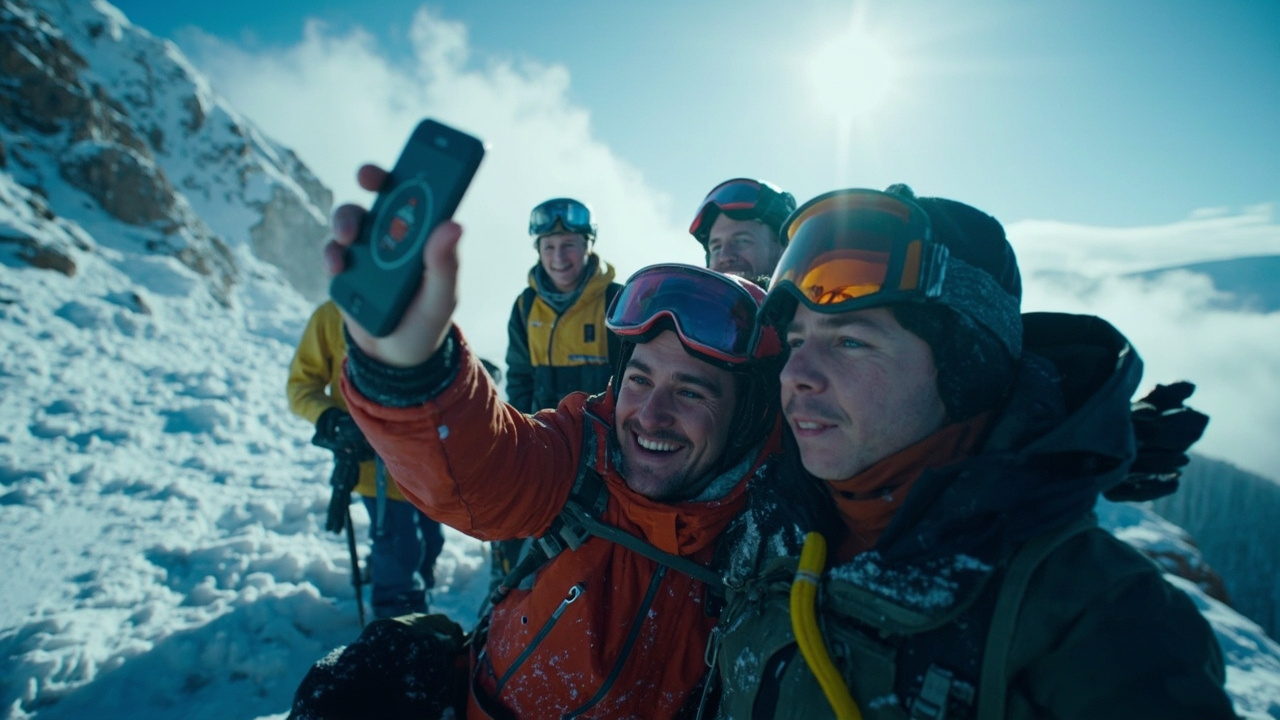
Six skiers rescued by iPhone satellite SOS after deadly Lake Tahoe avalanche
An avalanche killed 8 skiers at Lake Tahoe; 6 survivors were rescued using iPhone's Emergency SOS via satellite. This feature connects to emergency services without cellular service. It's free on iPhone 14 and later in many countries.

NASA reclassifies Boeing Starliner astronaut flight as serious Type A mishap
Boeing's Starliner test flight was reclassified as a serious "Type A mishap" after thruster failures nearly caused disaster. The crew's ISS stay was extended to nine months.
Stay in the loop
Get the best AI-curated news delivered to your inbox. No spam, unsubscribe anytime.