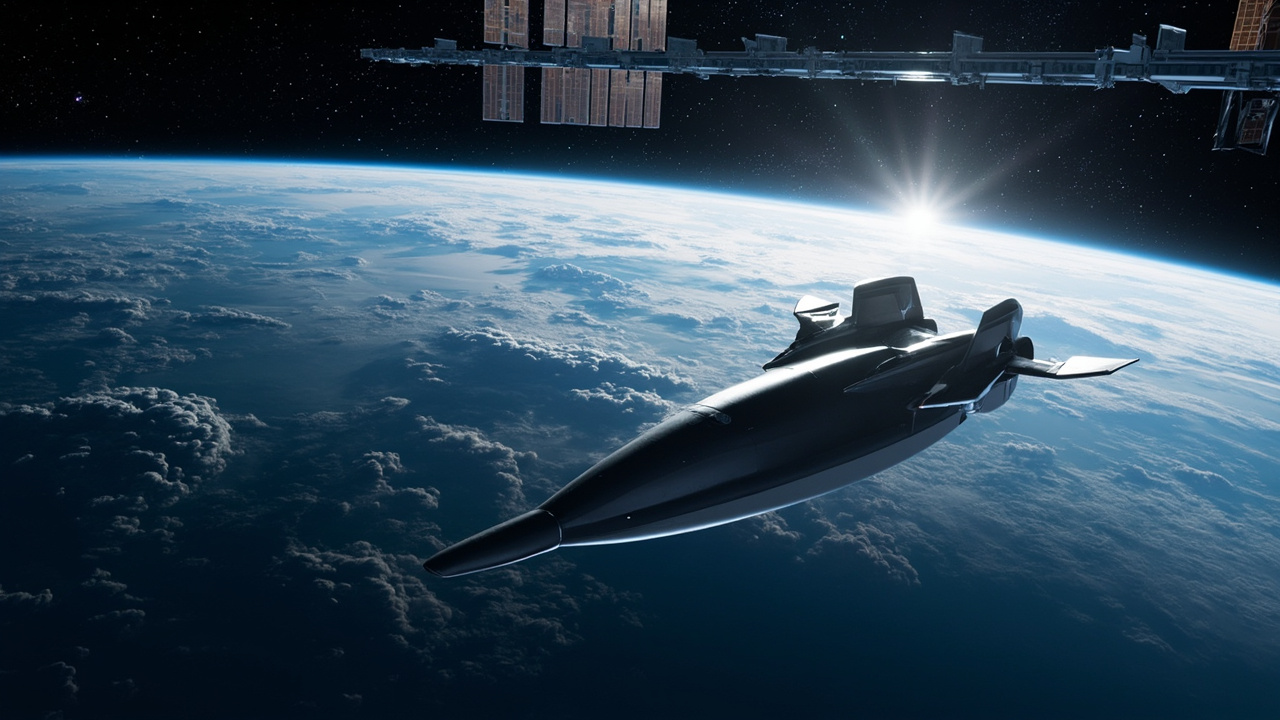
NASA reclassifies Boeing Starliner astronaut flight as serious Type A mishap
Summary
Boeing's Starliner test flight was reclassified as a serious "Type A mishap" after thruster failures nearly caused disaster. The crew's ISS stay was extended to nine months.
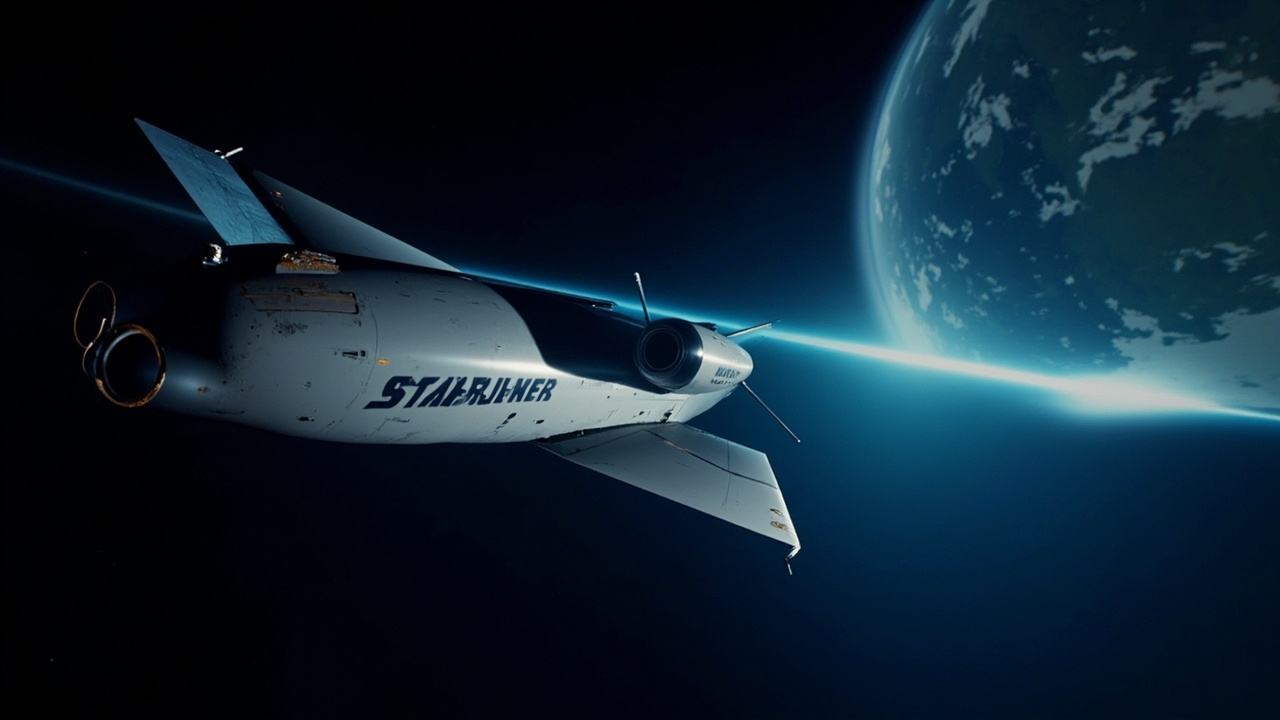
NASA reclassifies Starliner test flight as serious mishap
NASA has officially reclassified Boeing’s first crewed Starliner mission as a “Type A mishap,” its most serious category. The designation, announced today, places the troubled Crew Flight Test (CFT) in the same bracket as the space shuttle Challenger and Columbia disasters.
“This was a really challenging event in our recent history,” NASA Associate Administrator Amit Kshatriya said during a press conference. “We almost did have a really terrible day.”
A mission plagued by thruster failures
The Starliner CFT launched on June 5, 2024, carrying NASA astronauts Suni Williams and Butch Wilmore to the International Space Station. While it docked successfully, the flight was marred by multiple, serious problems.
The spacecraft suffered several thruster failures and temporarily lost its ability to precisely control its orientation and trajectory. NASA Administrator Jared Isaacman, reading from a letter to agency employees, stated that different decisions in that moment could have led to a “very, very different” outcome.
The issues forced NASA to extend the astronauts’ stay on the ISS multiple times. The agency ultimately decided to bring the Starliner capsule home without a crew on September 6, 2024.
NASA admits to a culture of mistrust
NASA did not classify the mission as a Type A mishap at the time, a decision Isaacman directly criticized today. He stated that concern for the Starliner program’s reputation led officials to downplay the severity.
“Programmatic advocacy exceeded reasonable balance and placed the mission, the crew and America's space program at risk,” Isaacman said. “This created a culture of mistrust that can never happen again, and there will be leadership accountability.”
With the new designation, Isaacman said, “the record is now being corrected.” A Type A mishap is defined by incidents causing at least $2 million in damages or involving an unexpected departure from controlled flight.
Astronauts stranded, investigation continues
Williams and Wilmore did not return on Starliner. They came home on a SpaceX Crew Dragon capsule in March 2025, after spending roughly nine months in orbit instead of the planned 10 days. Both astronauts have since retired from NASA.
An independent team chartered in February 2025 finished its investigation into CFT in November, and NASA has now released the report. The root cause of Starliner’s thruster issues, however, remains unknown.
“The spacecraft won't carry astronauts again until those problems have been fixed,” Isaacman stressed. Boeing is currently targeting an uncrewed cargo mission to the ISS no earlier than April 2025.
The future of Starliner and commercial crew
NASA’s Commercial Crew Program has long sought two private astronaut taxis for redundancy. While SpaceX has been flying crews since 2020, Starliner’s path to certification is now halted pending fixes.
The clock is ticking, with the International Space Station scheduled for retirement in 2030. Despite this, Isaacman argued for Starliner’s utility in a future with multiple commercial space stations.
“America benefits by having multiple pathways to take our crew and cargo to orbit,” he said, aligning the goal with the current administration’s space policy.
The key issues from the CFT mission include:
- Multiple thruster failures during ascent and approach
- A temporary loss of “six degree of freedom” control
- An unexpected propulsion failure during uncrewed departure
- A lack of fault tolerance in thrusters during re-entry
Related Articles

Six skiers rescued by iPhone satellite SOS after deadly Lake Tahoe avalanche
An avalanche killed 8 skiers at Lake Tahoe; 6 survivors were rescued using iPhone's Emergency SOS via satellite. This feature connects to emergency services without cellular service. It's free on iPhone 14 and later in many countries.
NASA launches twin rockets to study aurora electrical currents
NASA launched two rockets from Alaska to study auroras, gathering data on black auroras and electric currents within the northern lights.
Stay in the loop
Get the best AI-curated news delivered to your inbox. No spam, unsubscribe anytime.