
Species turnover slowing globally despite climate change, study finds
Summary
Contrary to expectations, species turnover in ecosystems has slowed, not accelerated, with global warming. This suggests biodiversity loss is hindering natural ecological dynamics.
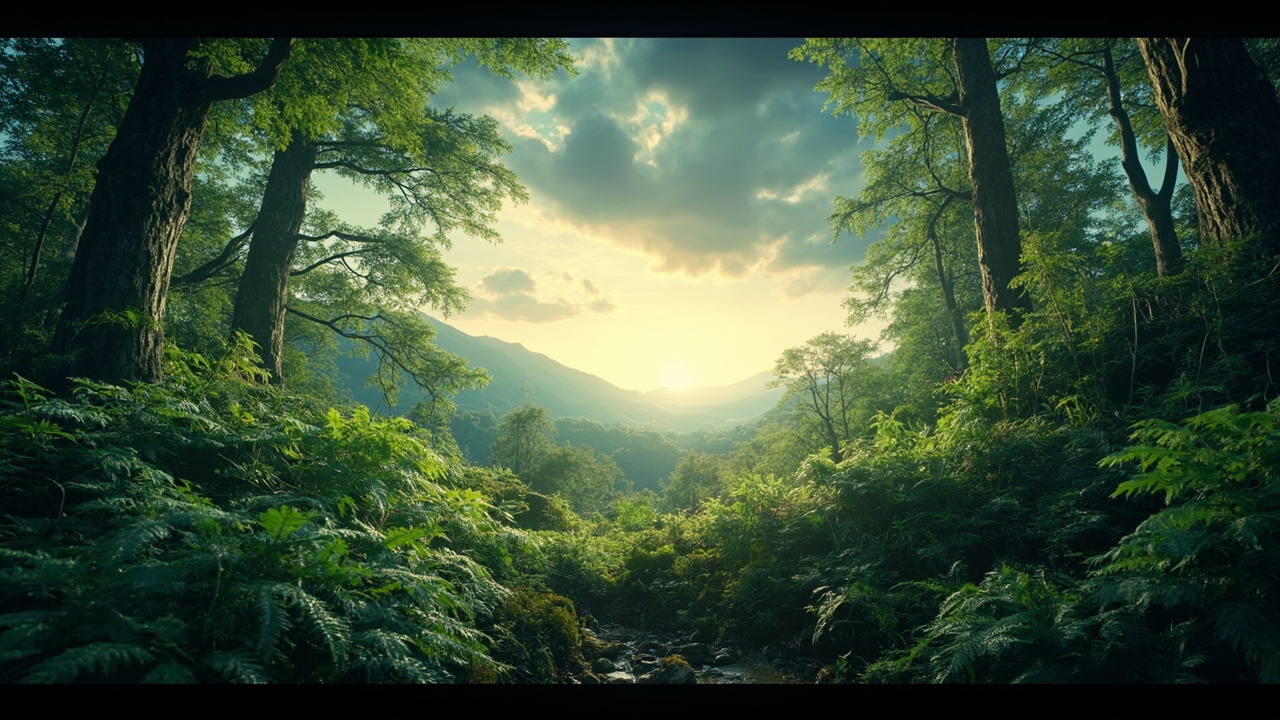
Species turnover is slowing down, not speeding up
New research shows the rate at which species replace each other in local habitats has slowed significantly since the 1970s. This contradicts the long-held assumption that global warming would accelerate this process, known as species turnover.
The study, published in Nature Communications, analyzed a vast global database of biodiversity surveys from marine, freshwater, and land ecosystems. "We found this engine is now grinding to a halt," said lead author Dr. Emmanuel Nwankwo of Queen Mary University of London.
Turnover rates have declined by one third
The researchers focused on changes since the 1970s, when global surface temperatures began rising more rapidly. They compared how quickly one species replaces another before and after this period of accelerated warming.
If climate change were the main driver, turnover should have increased. Instead, the analysis showed it generally declined over short periods of 1-5 years. This pattern appeared across a wide range of ecosystems.
"We were surprised how strong the effect is," said co-author Professor Axel Rossberg. "Turnover rates typically declined by one third."
Ecosystems operate in a 'multiple attractors' phase
To understand this result, the team looked beyond climate forces to how ecosystems organize internally. Their findings suggest ecological communities often operate in a "Multiple Attractors" phase, a concept predicted by theoretical physicist Guy Bunin in 2017.
In this phase, species continually replace one another because of internal biological interactions, even in stable environmental conditions. The process resembles a giant, ongoing game of rock-paper-scissors where no single species dominates for long.
The new research provides strong real-world evidence that this phase exists and plays a central role in shaping ecosystems.
Biodiversity loss is likely the cause
If internal dynamics typically keep ecosystems in motion, why are turnover rates slowing? The researchers argue environmental degradation and shrinking regional species pools are likely responsible.
In a healthy ecosystem, a broad regional pool of species supplies a steady stream of potential newcomers. This keeps the cycle of replacement active. But as human activities damage habitats, the number of possible colonizers falls.
"In other research we are seeing clear indications that human impacts cause the slowing of turnover," Dr. Nwankwo said. "It is worrying."
A stable ecosystem may not be a healthy one
The findings suggest that stable-looking ecosystems are not necessarily healthy. A slowdown in local species change may signal that biodiversity is being depleted at a larger scale.
This weakens the natural processes that normally keep ecosystems dynamic and resilient. The study highlights several key implications:
- Climate change is not the primary driver of local species turnover rates.
- Internal ecological dynamics are more important than previously recognized.
- Human-caused biodiversity loss is disrupting fundamental ecosystem functions.
- Conservation efforts must consider regional species pools, not just local stability.
The research challenges basic assumptions about how ecosystems respond to global change. It suggests that preserving the machinery of nature requires protecting biodiversity on a much larger scale.
Related Articles
NOAA snow data error hid decades of Arctic snow loss
NOAA data initially suggested Northern Hemisphere autumn snow cover was growing, but a new study finds it's actually shrinking due to improved satellite detection creating a false trend. This confirms snow loss is accelerating Arctic warming.
Ancient drought drove extinction of 'hobbit' humans 61,000 years ago
Climate change caused a severe drought that likely drove Homo floresiensis, the "hobbit" species, to extinction around 50,000 years ago.
Stay in the loop
Get the best AI-curated news delivered to your inbox. No spam, unsubscribe anytime.