
Brain development continues into your 30s, study finds
Summary
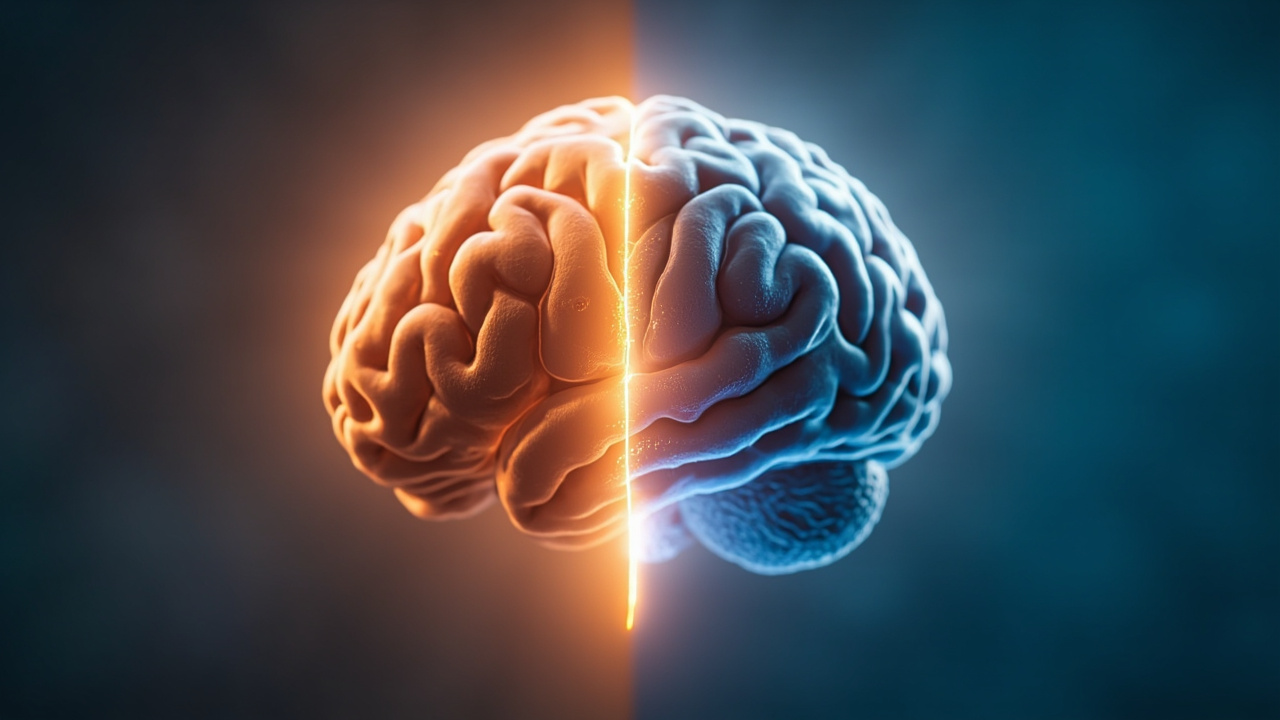
The myth that brain development stops at 25 is inaccurate. Research shows the brain, especially the frontal lobe, continues key structural changes into our 30s, with our 20s being a prime time for building efficient neural pathways through learning and challenge.

The brain doesn't magically mature at 25
Your frontal lobe isn't fully developed yet. That line has become a popular social media explanation for everything from bad dating choices to impulse purchases.
It's a comforting idea for people in their 20s and early 30s, suggesting biology is to blame for life feeling messy. But the claim that brain development stops at 25 is a scientific oversimplification.
New research shows important brain changes continue well into our 30s. The age of 25 was never a biological finish line.
How the age 25 myth began
The myth traces back to brain imaging studies from the late 1990s and early 2000s. A pivotal 1999 study tracked grey matter changes in children and teenagers.
Researchers observed pruning, where the brain reduces less-used neural connections and strengthens frequently used pathways. This was identified as a key part of healthy development.
Later research led by neuroscientist Nitin Gogtay scanned participants from age four every two years. It showed frontal lobe areas mature gradually from back to front.
- Basic function areas develop earlier
- Complex areas for judgment and emotional regulation were still maturing by age 20
- With data ending around 20, age 25 became a rough estimate for completion
That estimate eventually hardened into a widely accepted belief, despite the lack of data on what happens after 20.
Brain networks develop into your 30s
Modern neuroscience has shifted from studying single regions to examining how brain areas communicate. A major recent study analyzed white matter topology in over 4,200 people from infancy to age 90.
White matter consists of long nerve fibers that link different brain regions. Researchers identified a key developmental period from age nine to 32, which they called the adolescent period.
During this brain adolescence, the brain balances two processes:
- Segregation: Building neighborhoods of related thoughts
- Integration: Building highways to connect those neighborhoods
This construction doesn't stabilize into an adult pattern until the early 30s. The study found small worldness—a measure of network efficiency—was the largest predictor for identifying brain age.
Your brain's construction timeline
Increasing small worldness is like adding express lanes to a transit system. More complex thoughts get more efficient paths throughout the brain.
This construction phase has a literal turning point. After around age 32, developmental trends switch directions.
The brain stops prioritizing these expressways and shifts back to segregation. It locks in the pathways we use most frequently.
Essentially, your teens and 20s are spent connecting the brain. Your 30s are about settling down and maintaining your most-used routes.
How to build a better brain
If our brains are under construction throughout our 20s, how do we build the best possible structure? The answer lies in boosting neuroplasticity—the brain's ability to rewire itself.
The window from age nine to 32 represents a prime opportunity for structural growth. Research suggests specific activities can support neuroplasticity:
- High-intensity aerobic exercise
- Learning new languages
- Cognitively demanding hobbies like chess
Chronic stress can hinder neuroplasticity. If you want a high-performance brain in your 30s, it helps to challenge it in your 20s—though it's never too late to start.
There's no magical switch that flips at 25 or even 32. Like your brain, you're in a decades-long construction project. The concrete hasn't set yet.
Related Articles
Lack of fiber harms older brains in just three days, rat study finds
A new study in rats found that a lack of dietary fiber, common in refined diets, can quickly impair emotional memory in older brains, specifically affecting the amygdala. This suggests fiber is crucial for cognitive health in aging.
Second pregnancy reshapes brain differently than first, study finds
A second pregnancy uniquely changes a woman's brain, with both similar and distinct neural transformations compared to a first pregnancy.
Stay in the loop
Get the best AI-curated news delivered to your inbox. No spam, unsubscribe anytime.