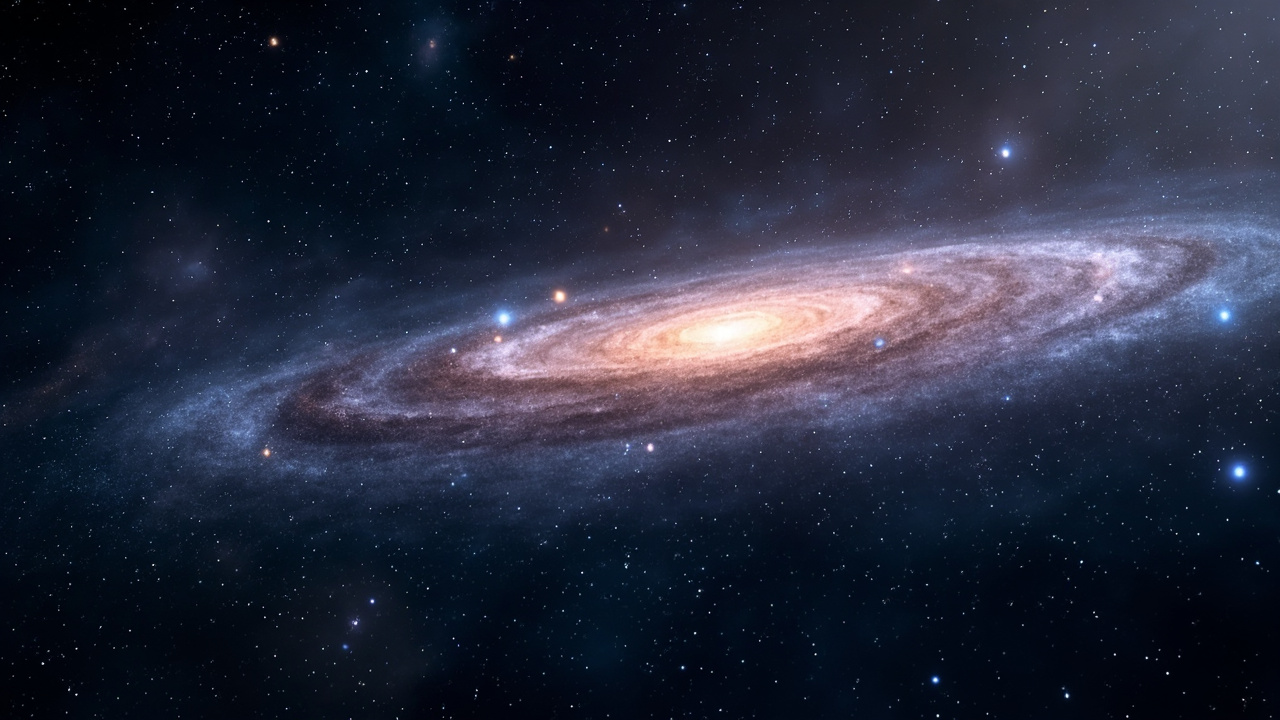
Hubble telescope finds galaxy that is 99% dark matter
Summary
Astronomers discovered CDG-2, a "dark galaxy" where dark matter makes up 99% of its mass. It was found using Hubble and Euclid telescopes by detecting its faint glow and globular clusters.
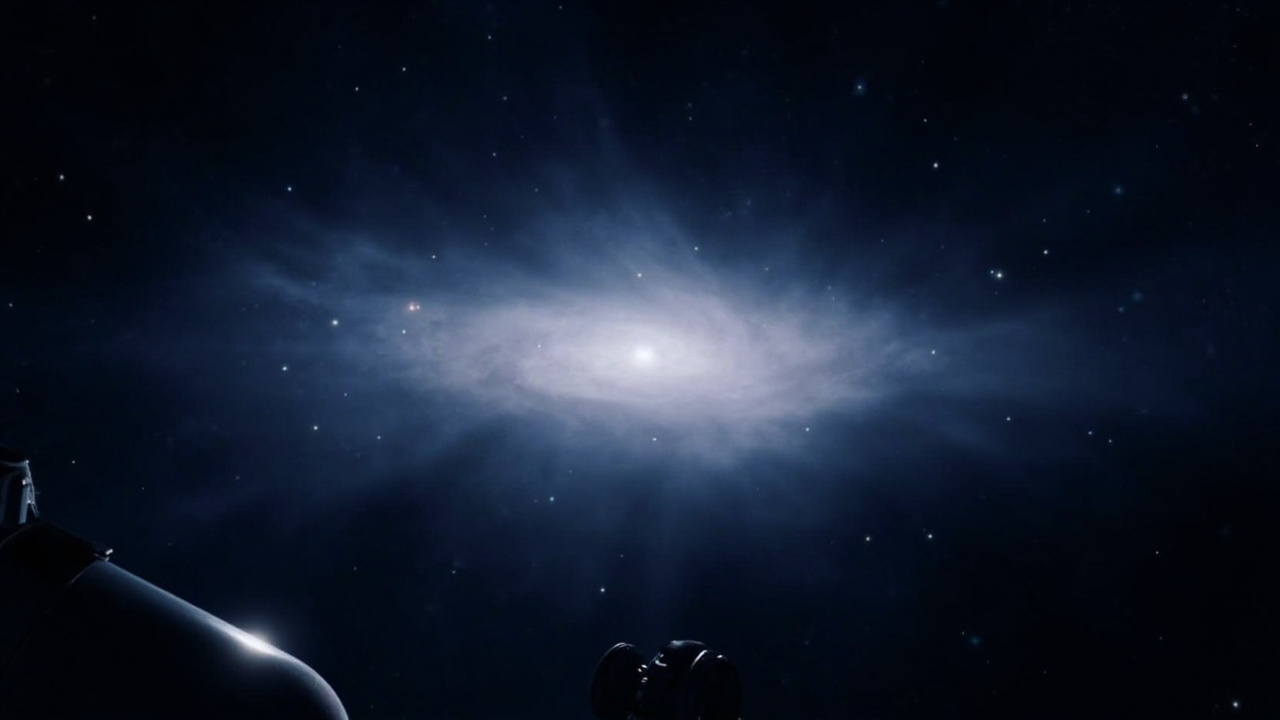
Astronomers find a galaxy made almost entirely of dark matter
Astronomers have discovered one of the most dark-matter-dominated galaxies ever seen. The galaxy, designated CDG-2, is located about 245 million light-years away.
Unlike typical bright galaxies, CDG-2 is a faint "dark galaxy." Its visible matter is equivalent to the light of only about 6 million sun-like stars.
Dark matter's extreme dominance
In a standard galaxy, dark matter outweighs normal matter by a ratio of about five to one. In CDG-2, that ratio is far more extreme.
The team's analysis shows that dark matter accounts for roughly 99% of this galaxy's total mass. This makes it a uniquely dark-matter-rich object.
Dark matter is invisible because it does not interact with light. Astronomers infer its presence through its gravitational influence on visible matter and the fabric of space itself.
The hunt for a ghostly galaxy
The discovery began when researchers investigated tight groupings of stars called globular clusters. These clusters can signal the presence of a hidden, dim galaxy.
This led to the identification of ten faint galaxies and two dark galaxy candidates. To confirm CDG-2, the team used a powerful trio of telescopes:
- The Hubble Space Telescope
- The Euclid Space Telescope
- The Subaru Telescope in Hawaii
Hubble data first revealed a tight grouping of four globular clusters in the Perseus galaxy cluster. Follow-up observations from all three telescopes detected a faint glow around them.
Detected by its star clusters alone
That faint glow was the nearly invisible body of CDG-2. The four globular clusters were the key to finding it.
"This is the first galaxy detected solely through its globular cluster population," said team leader David Li of the University of Toronto. The team believes these four clusters represent the galaxy's entire globular cluster system.
The researchers found that the clusters themselves account for about 16% of the galaxy's total faint light. The rest comes from a sparse smattering of individual stars.
A galaxy stripped of its stars
The team theorizes that CDG-2 once formed more stars. Gravitational interactions with other galaxies in the dense Perseus cluster likely stripped away most of its stellar material.
The densely packed globular clusters, however, were resilient enough to survive this stripping. They now serve as the only obvious tracers of the galaxy's existence.
The research, which confirms dark galaxies can be found via their globular clusters, was published in The Astrophysical Journal Letters.
Related Articles
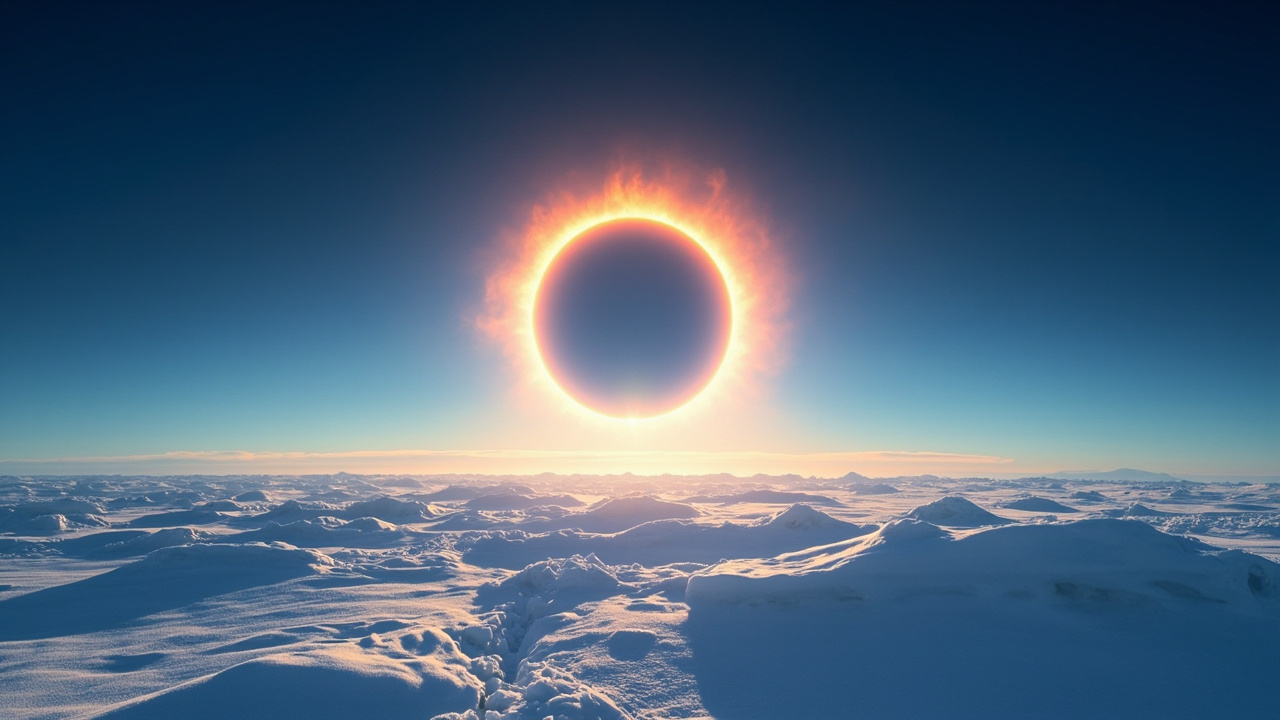
Annular solar eclipse creates 'ring of fire' over Antarctica
A "ring of fire" annular solar eclipse occurred over Antarctica on Feb. 17, visible as a partial eclipse in some southern regions.

ELT's 80-meter dome nears completion in Chile
A new photo shows the Extremely Large Telescope's dome nearing completion in Chile. The massive structure will house a giant mirror, with first light expected in 2029, revolutionizing our view of the cosmos.
Stay in the loop
Get the best AI-curated news delivered to your inbox. No spam, unsubscribe anytime.