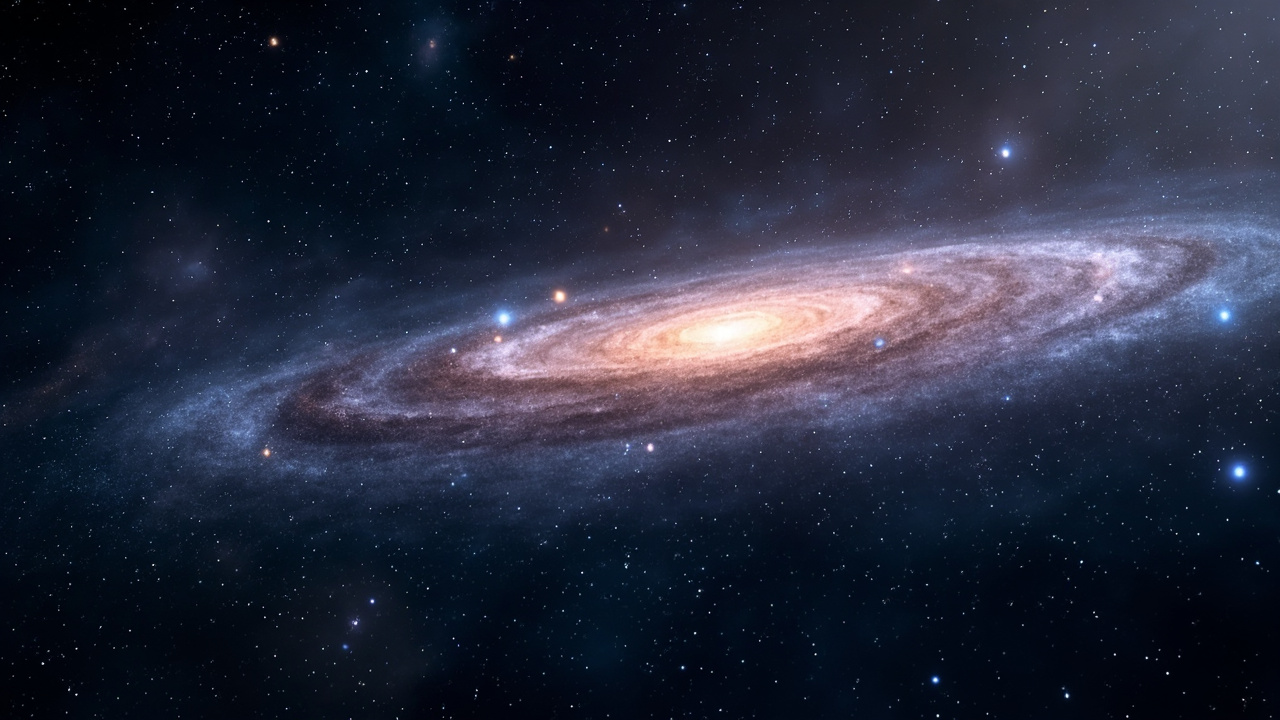
James Webb Telescope spots 8.5-billion-year-old jellyfish galaxy
Summary
JWST captured a stunning image of a "cosmic jellyfish" galaxy from 8.5 billion years ago. Its trailing gas tendrils, formed by ram-stripping, challenge assumptions about early galaxy cluster environments.
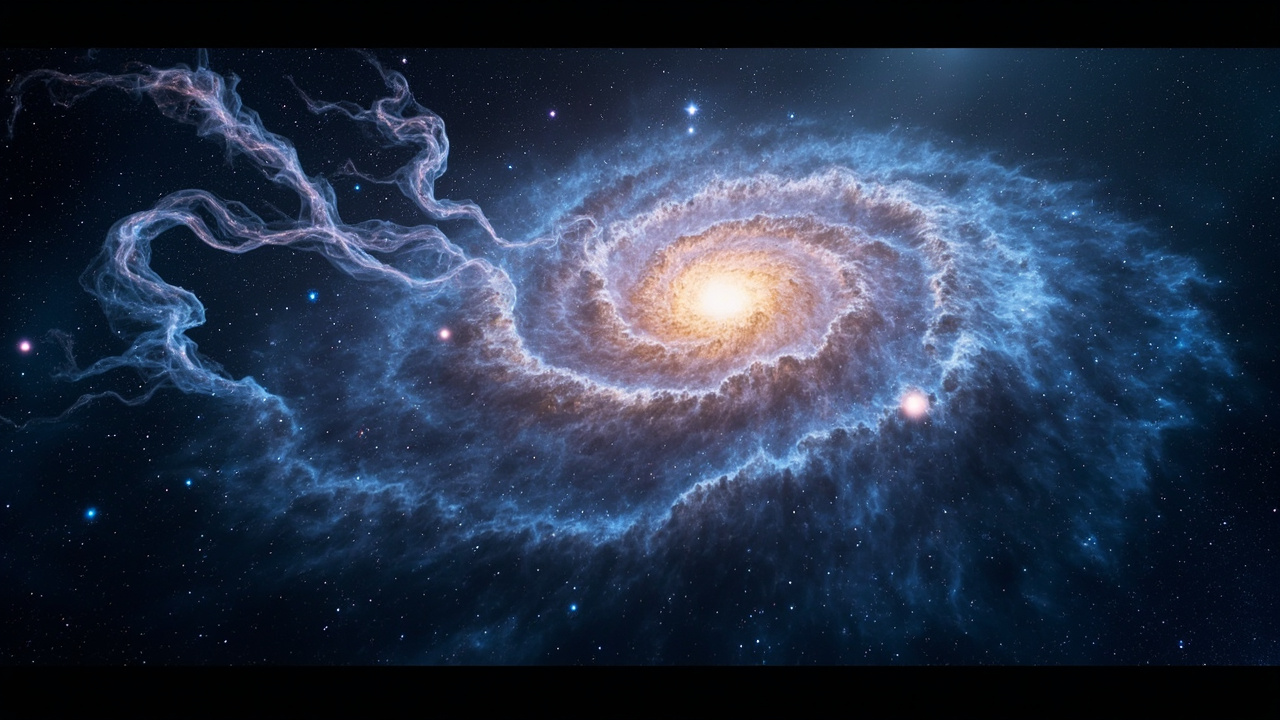
Webb telescope captures ancient “cosmic jellyfish”
The James Webb Space Telescope has captured a stunning image of a “jellyfish galaxy” as it existed 8.5 billion years ago. The galaxy, designated COSMOS2020-635829, reveals new details about how galaxy clusters shaped their members in the early universe.
Jellyfish galaxies get their name from the long tendrils of gas that trail behind them. These tendrils are created by a process called “ram-pressure stripping,” where galaxies moving through their clusters encounter strong winds that push gas out.
A surprising find in a well-studied field
The discovery was made in data from the Cosmic Evolution Survey (COSMOS) field, a patch of sky astronomers use to study distant galaxies. Team member Ian Roberts of the Waterloo Centre for Astrophysics said the “undocumented jellyfish galaxy” sparked immediate interest during their search of the Webb data.
The JWST image shows a galactic disk similar to our Milky Way, but with distinct, bright blue tendrils. These tendrils contain knots of young stars, indicating star birth is happening in the stripped gas outside the galaxy's main disk.
Challenging previous assumptions
The image delivered a key surprise. Astronomers did not expect galaxy clusters from 8.5 billion years ago to commonly produce the harsh conditions needed for ram-stripping.
“This data provides us with rare insight into how galaxies were transformed in the early universe,” Roberts said. The finding suggests cluster environments became harsh enough to alter galaxies much earlier than previously thought.
The discovery has several implications for understanding galaxy evolution:
- Cluster environments were already harsh over 8 billion years ago.
- Galaxy clusters may have begun altering galaxy properties earlier than expected.
- These processes likely helped build the population of “dead” galaxies seen in clusters today.
Ongoing investigation with Webb
The research team, which published its findings in The Astrophysical Journal, plans to continue studying COSMOS2020-635829. They hope to use the James Webb Space Telescope to solve further mysteries about this and other jellyfish galaxies.
The featured image in this article is from the Hubble Space Telescope and shows a similar jellyfish galaxy for comparison. The new Webb data offers a far more detailed look at this ancient cosmic phenomenon.
Related Articles
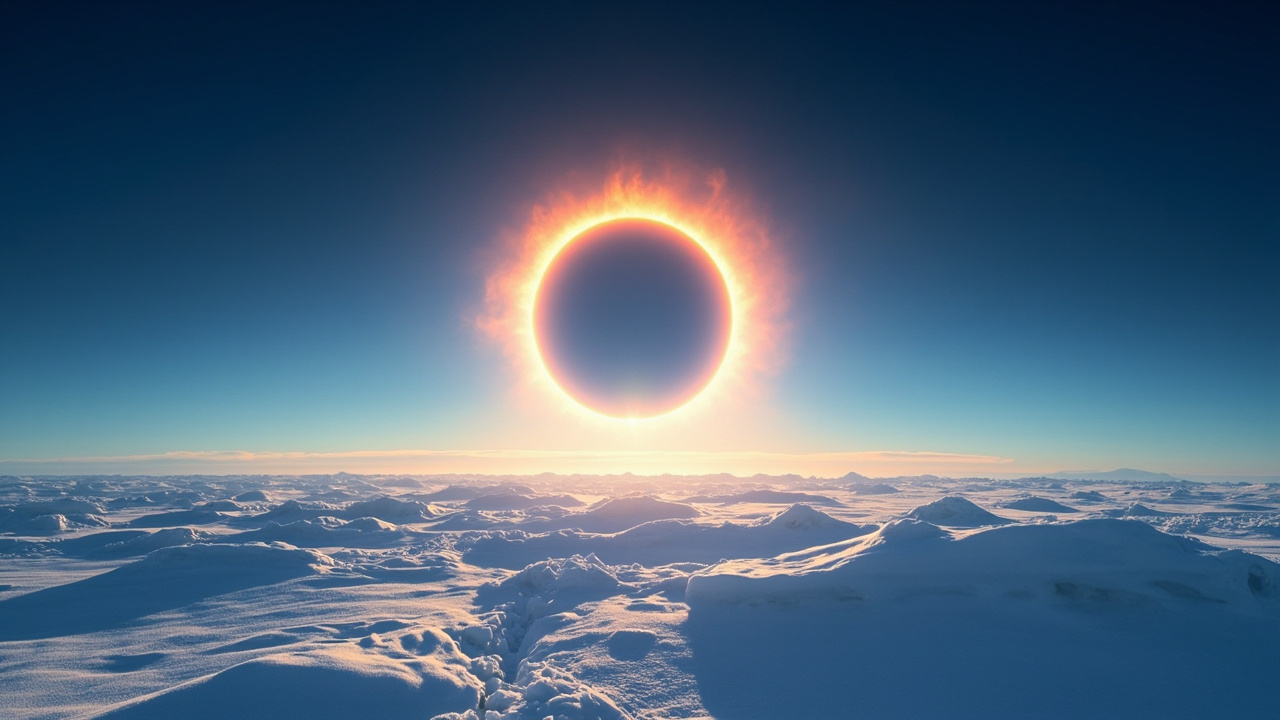
Annular solar eclipse creates 'ring of fire' over Antarctica
A "ring of fire" annular solar eclipse occurred over Antarctica on Feb. 17, visible as a partial eclipse in some southern regions.
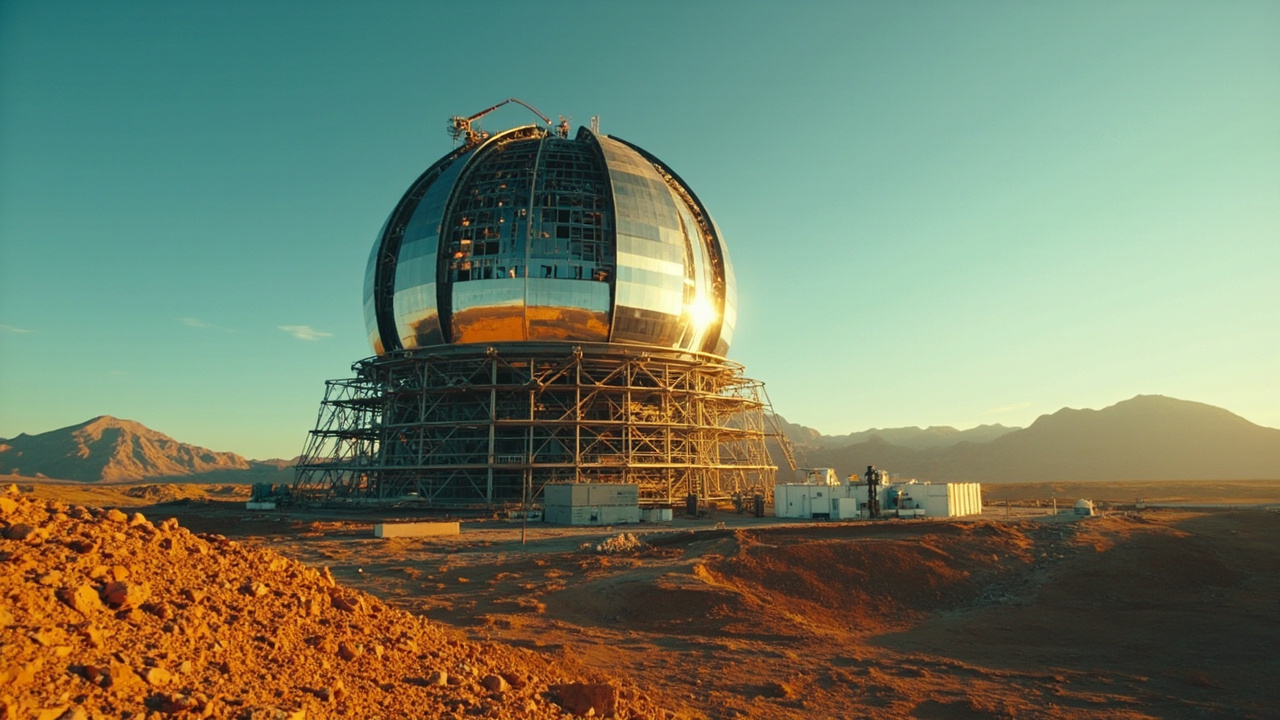
ELT's 80-meter dome nears completion in Chile
A new photo shows the Extremely Large Telescope's dome nearing completion in Chile. The massive structure will house a giant mirror, with first light expected in 2029, revolutionizing our view of the cosmos.
Stay in the loop
Get the best AI-curated news delivered to your inbox. No spam, unsubscribe anytime.