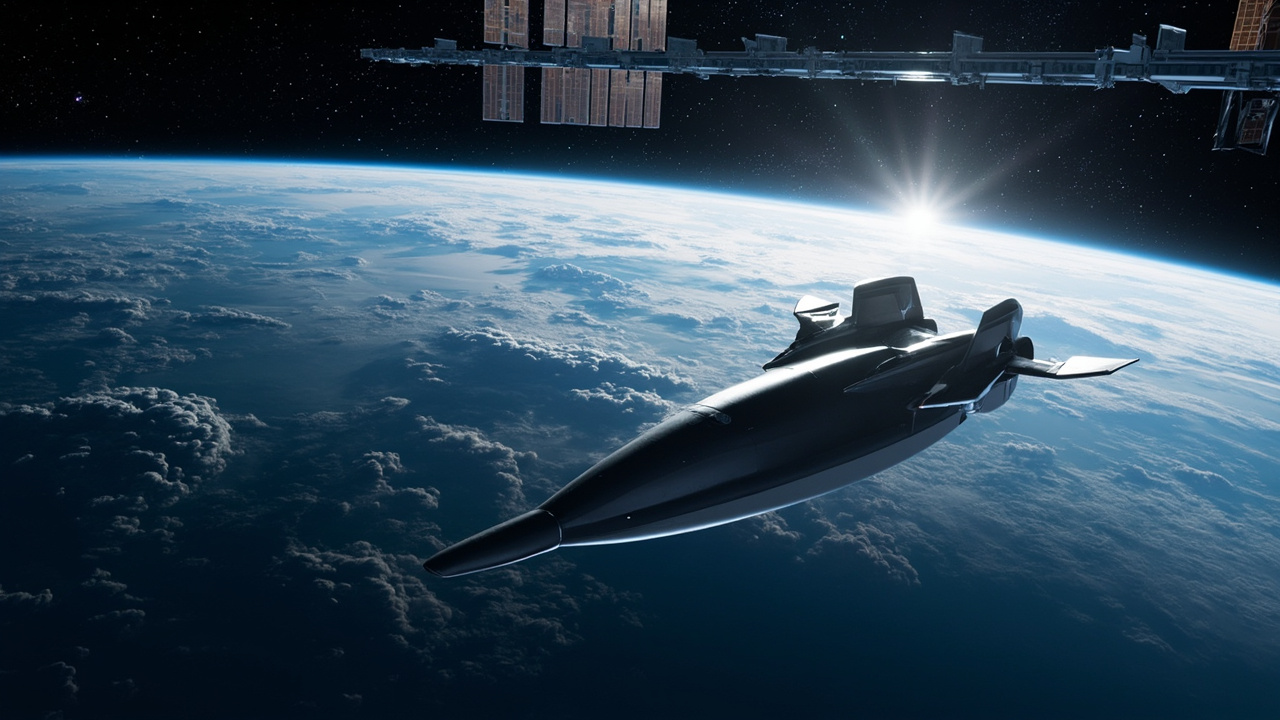
NASA blames Boeing leadership failures for Starliner mishap
Summary
NASA's investigation into the 2024 Boeing Starliner mission found leadership and oversight failures, not just technical issues, led to the mishap. NASA admits it was too hands-off, trusting Boeing too much. The astronauts returned safely, but NASA vows to correct its mistakes.
NASA blames leadership failures for Starliner mishap
NASA has released the findings of its investigation into the 2024 Boeing Starliner mission, declaring it a high-consequence "Type-A mishap." The agency concluded that leadership and oversight failures, not just technical problems, were the primary cause of the mission that left astronauts stranded on the International Space Station.
Administrator Bill Nelson admitted the agency was not at its best. "We returned the crew safely, but the path we took did not reflect NASA at our best," Nelson said during a press conference. He stated that different decisions could have led to a "very different" outcome.
Technical problems stemmed from poor oversight
The 311-page report details known technical issues with the Starliner spacecraft. These included inadequate testing of the propulsion system and insufficient flight data from prior tests.
This lack of data led NASA and Boeing to accept unexplained anomalies without finding their root causes. The report states this was a direct result of organizational and process failures.
- Inadequate testing of Starliner's propulsion system
- Low telemetry rates and lack of onboard data storage during tests
- Acceptance of anomalies without root cause resolution
A culture clash between NASA and Boeing
NASA's investigation revealed a significant cultural problem. The Commercial Crew Program's model of shared accountability with Boeing was "poorly understood and inconsistently applied."
The agency admitted it had limited insight into subcontractor-level data, leaving it unable to verify system readiness. Schedule pressure also led to a restrictive approach to risk reduction.
"You can see in the report that inadequately-applied insight and lack of oversight... is because we had very high confidence in the manufacturer," Nelson said. Boeing's leadership was perceived by NASA as "overly risk-tolerant and dismissive of dissenting views."
NASA was too hands-off, Boeing over-relied on subcontractors
The organizational breakdown was twofold. NASA concluded it was too hands-off during Starliner's development, while Boeing relied too heavily on subcontractors and had inadequate systems engineering.
Most damningly, the report states the Commercial Crew Program was more focused on Starliner's success than on ensuring the spacecraft was safe. Nelson said NASA allowed the objective of having two crew providers to influence engineering decisions.
"We are correcting those mistakes," Nelson said. Neither he nor associate administrator Amit Kshatriya would comment on potential penalties or leadership changes at either NASA or Boeing.
Boeing pledges changes, NASA commits to the program
Both NASA and Boeing stated their commitment to continuing the Starliner program. Boeing said it has made "substantial progress on corrective actions" and driven "significant cultural changes" in the 18 months since the test flight.
When questioned if the Commercial Crew Program model is flawed compared to NASA-managed systems like the Space Launch System, Nelson was unequivocal. "CCP is a very successful program," he said, crediting it with restoring American crew launch capability.
He defended the public-private partnership model, stating NASA has leveraged industry since the beginning of the space program. "Relying on industry to get us there is one of our strengths," Nelson said, while acknowledging NASA has its own work to do to improve oversight.
Related Articles

Six skiers rescued by iPhone satellite SOS after deadly Lake Tahoe avalanche
An avalanche killed 8 skiers at Lake Tahoe; 6 survivors were rescued using iPhone's Emergency SOS via satellite. This feature connects to emergency services without cellular service. It's free on iPhone 14 and later in many countries.
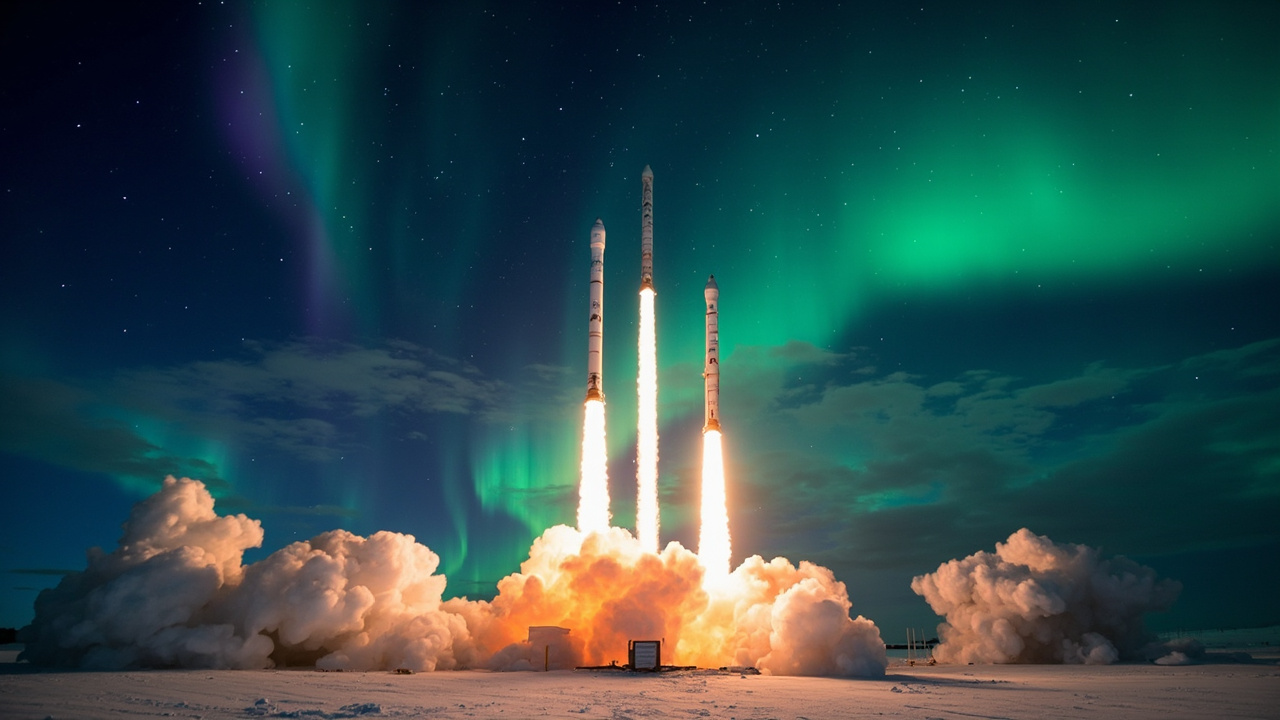
NASA launches twin rockets to study aurora electrical currents
NASA launched two rockets from Alaska to study auroras, gathering data on black auroras and electric currents within the northern lights.
Stay in the loop
Get the best AI-curated news delivered to your inbox. No spam, unsubscribe anytime.