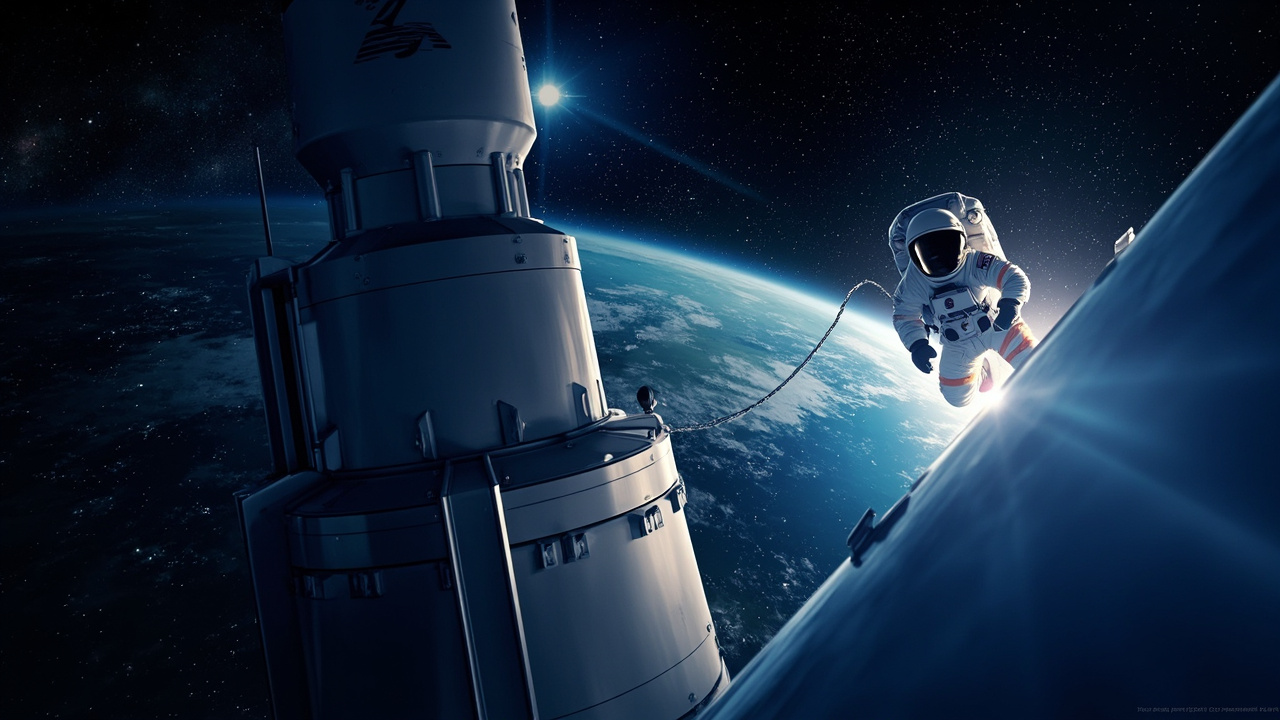
NASA selects Vast for private astronaut mission to space station in 2027
Summary
NASA selected Vast to operate a private astronaut mission to the ISS in 2027, supporting the transition to commercial space stations as the ISS nears retirement.
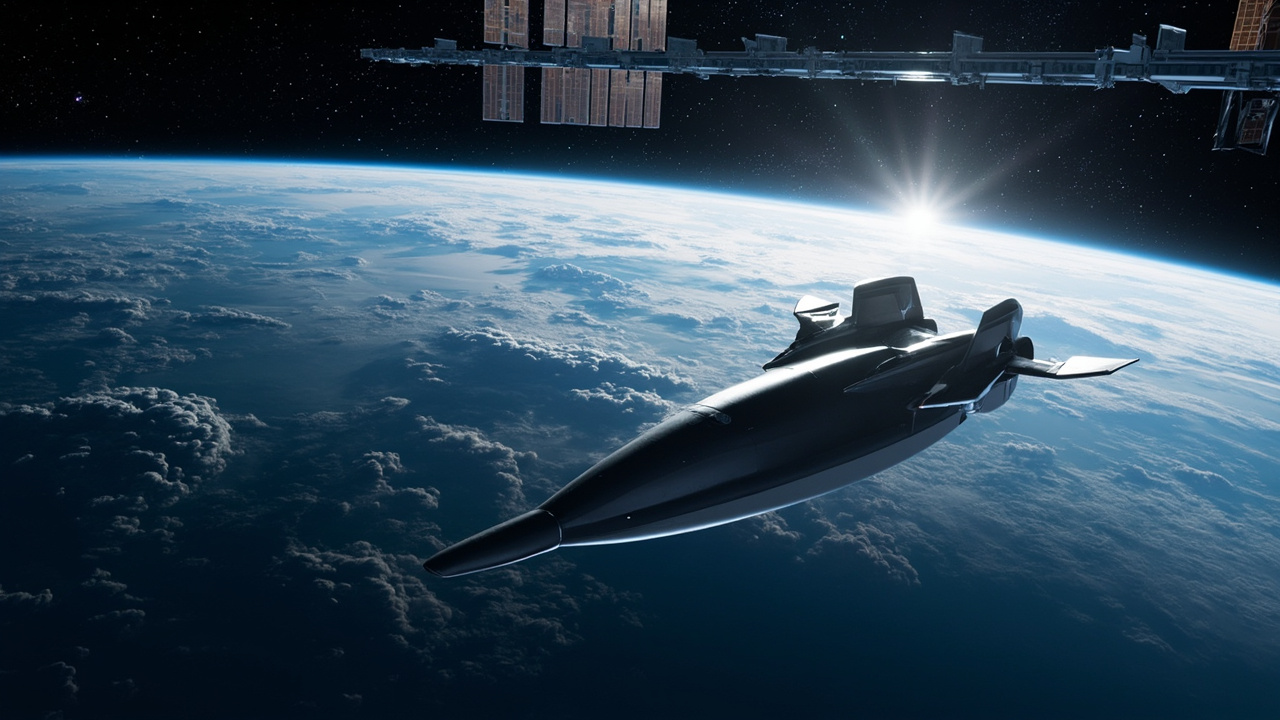
NASA picks Vast for private space station mission
NASA has selected the startup Vast to operate its sixth private astronaut mission to the International Space Station. The flight is scheduled to launch no earlier than the summer of 2027.
The agency announced the contract on Thursday. This will be Vast’s first crewed mission and a key step in NASA’s plan to transition low-Earth orbit operations to the private sector before the ISS is decommissioned in 2030.
Axiom's dominance and Vast's entry
To date, all four private astronaut missions to the ISS have been operated by Axiom Space. Axiom is also scheduled to fly the fifth mission, launching no earlier than January 2027.
Vast’s 2027 mission will follow a similar profile to Axiom’s flights. It will use a SpaceX Falcon 9 rocket and Crew Dragon capsule for a roughly two-week trip to and from the orbiting lab.
The company will propose a crew of four for NASA and its international partners to review and approve. The identities of those astronauts are not yet known.
The race for private space stations
Both Vast and Axiom view these tourist flights as a pathway to a larger goal: building and operating their own private space stations. They are part of a growing commercial field aiming to replace the ISS.
Vast plans to launch a pathfinder station called Haven-1 in 2027. The company has already tested technologies with a demo spacecraft launched in November 2023.
Other major players in this new commercial space station race include:
- Orbital Reef, being developed by Blue Origin and Sierra Space.
- Starlab, a project from a consortium including Voyager Space and NanoRacks.
NASA has awarded more than $500 million over the past five years to support the development of these commercial outposts.
NASA's commercial transition strategy
NASA Administrator Bill Nelson stated that these private missions are crucial for fostering innovation and maintaining American leadership in low-Earth orbit. The agency is actively cultivating a marketplace of commercial partners to take over after the ISS.
Vast CEO Max Haot echoed this, calling commercial crewed missions a "critical part of the transition" to fully unlocking the orbital economy.
If no US commercial station is ready by 2030, China’s Tiangong space station, completed in late 2022, would likely be the only permanent human outpost in orbit.
Related Articles
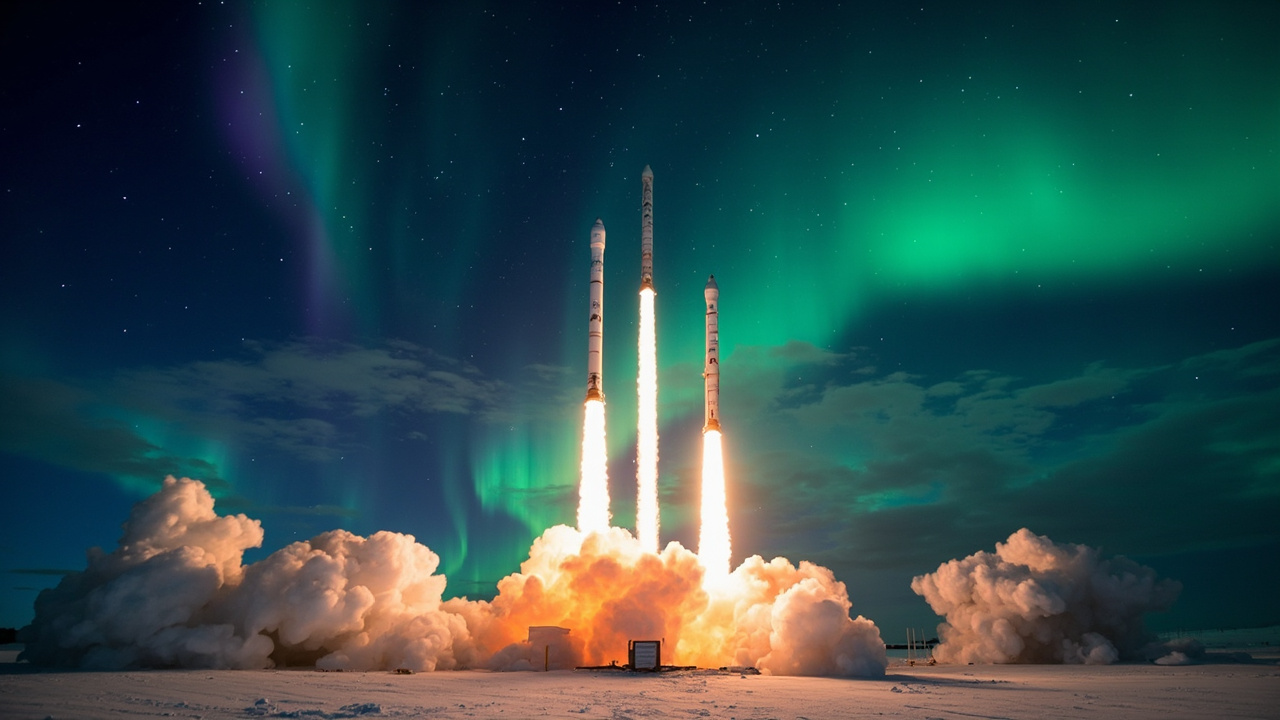
NASA launches twin rockets to study aurora electrical currents
NASA launched two rockets from Alaska to study auroras, gathering data on black auroras and electric currents within the northern lights.
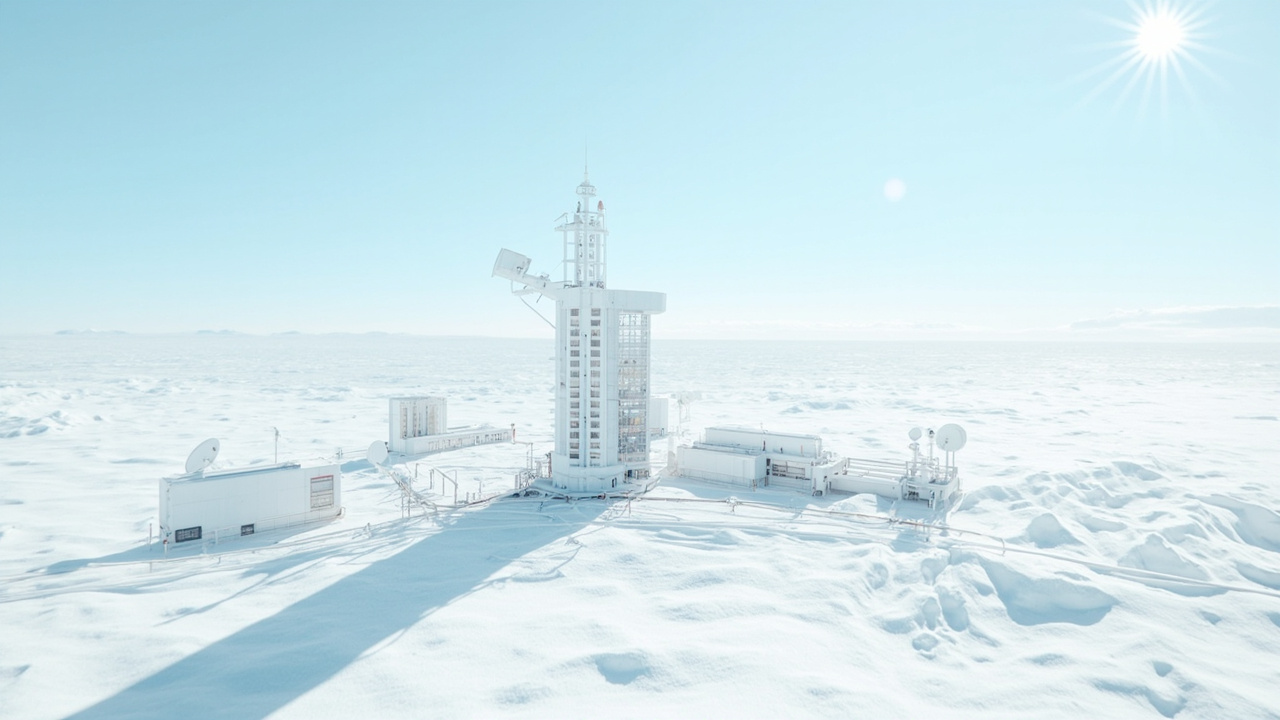
US seeks Greenland military sites for space race advantage
Trump's interest in Greenland centers on its strategic value for Arctic dominance and space operations, particularly the Pituffik Space Base, highlighting tensions in international space and territorial law.
Stay in the loop
Get the best AI-curated news delivered to your inbox. No spam, unsubscribe anytime.