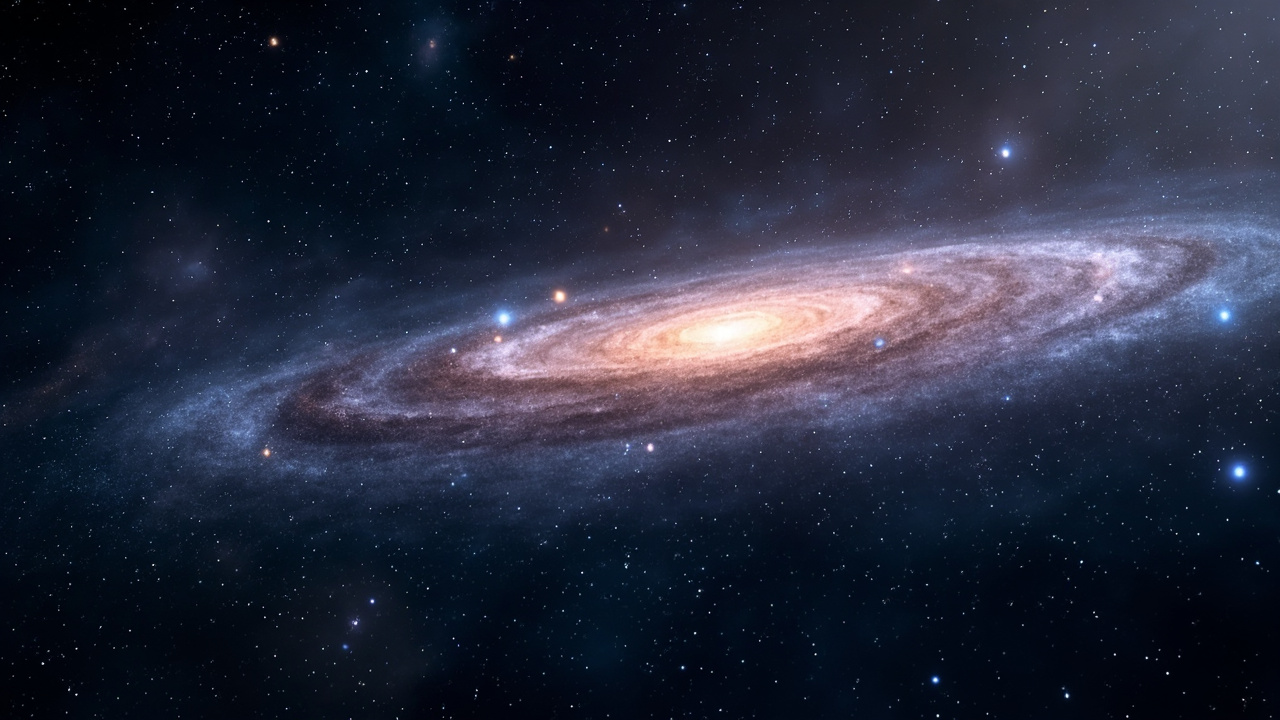
New moon offers dark skies for stargazing this week
Summary
New moon offers dark skies to spot Mercury, Saturn, constellations like Orion, and the Big Dipper.
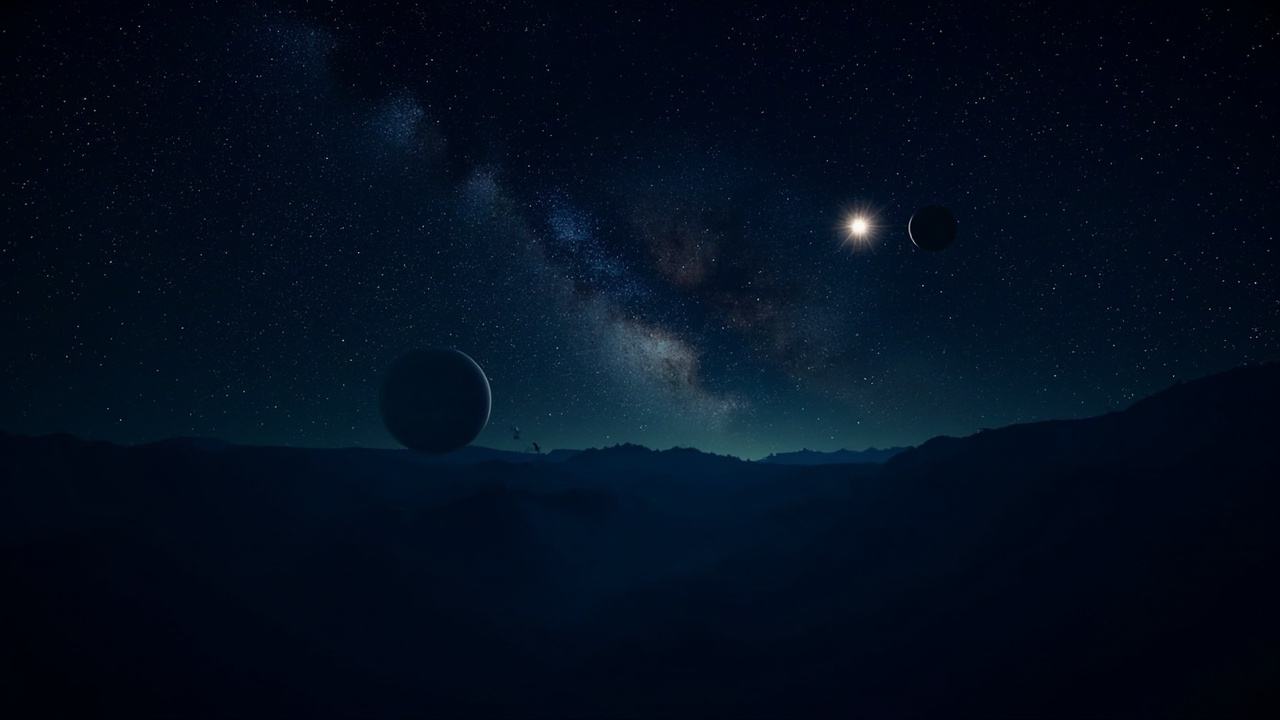
New moon brings dark skies for stargazing
The new moon occurred at 7:01 a.m. EST on February 17th, creating several nights of dark, moonless skies ideal for observing stars and planets. This lunar phase also coincided with an annular solar eclipse visible over Antarctica, though it was not seen from most populated areas.
Planets visible after sunset
In the hour after sunset on February 17th, Mercury was visible low in the west, appearing as a bright "evening star." A clear western horizon offered a chance to spot Venus shining below Mercury just after sunset.
Saturn was visible less than 15 degrees to the upper left of Mercury. The planet's iconic rings, which appeared edge-on and nearly invisible from Earth in November, are now becoming more visible again.
Key constellations to spot
Dark skies provide the best conditions for viewing winter constellations. To the left of Jupiter, observers can find the twin stars Castor and Pollux in the constellation Gemini.
Directly below Jupiter is the bright star Procyon, part of Canis Minor. The brightest star in the night sky, Sirius, sits at the heart of Canis Major and can be found about 20 degrees to the lower right of Procyon.
- Orion: Look to the upper right of Sirius to find this prominent hunter constellation, featuring the red giant Betelgeuse and the blue supergiant Rigel.
- Orion's Belt & Nebula: The three stars of the belt are easily spotted, with the Orion Nebula—a stellar nursery 1,500 light-years away—hanging below.
More celestial sights to find
To the right of Orion, the red star Aldebaran marks the eye of Taurus the bull. A hazy patch of light to its upper right is the Pleiades star cluster, containing over a thousand stars.
Looking northeast, the Big Dipper asterism stands on end near the horizon. An imaginary line drawn from the star Merak through Dubhe points to Polaris, the North Star.
Continuing past Polaris leads to the five bright stars of Cassiopeia, arranged in a distinct "W" or "M" shape. This formation represents a queen from Greek mythology placed in the sky by Poseidon.
How to improve your viewing
For a closer look at these celestial objects, binoculars or a telescope are recommended. Key targets for optical aid include:
- The rings of Saturn
- The Orion Nebula
- The dense star field of the Pleiades cluster
Astrophotographers can capture these sights with dedicated cameras and lenses. Space.com invites readers to submit their night sky photos to spacephotos@space.com for potential publication.
Related Articles
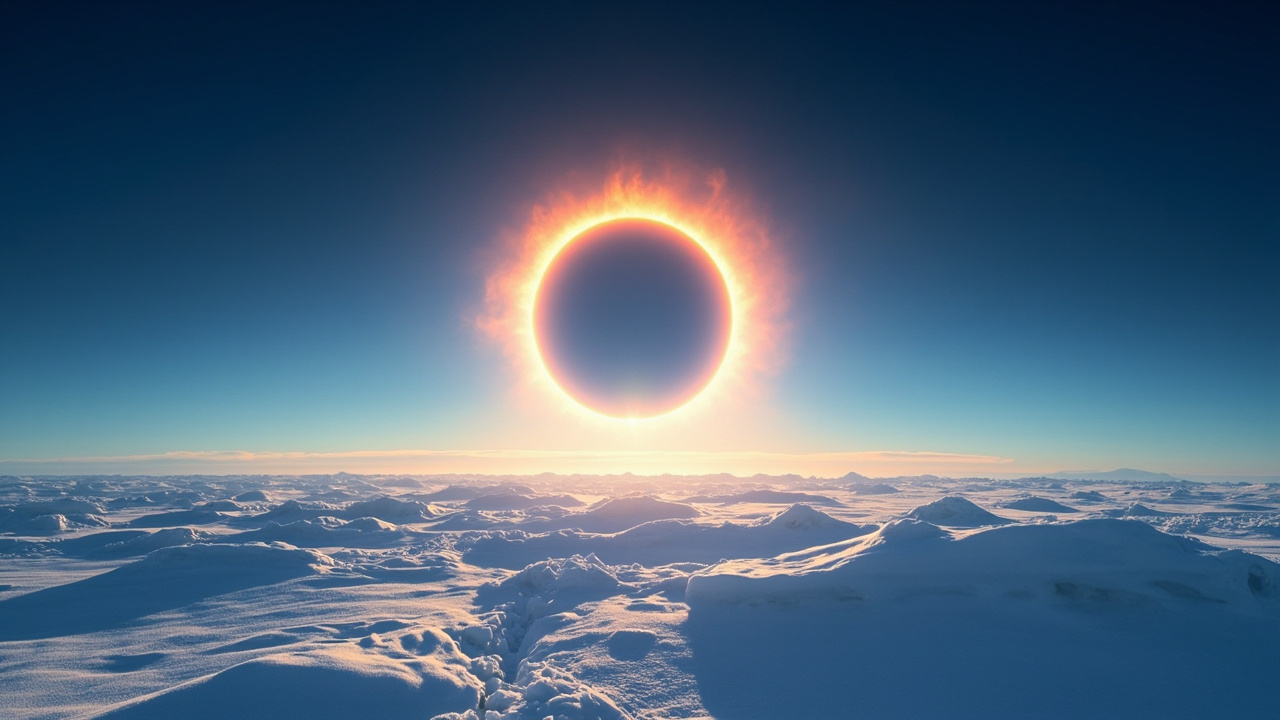
Annular solar eclipse creates 'ring of fire' over Antarctica
A "ring of fire" annular solar eclipse occurred over Antarctica on Feb. 17, visible as a partial eclipse in some southern regions.

Giant dome for world's largest telescope nears completion in Chile
A new photo shows the Extremely Large Telescope's dome nearing completion in Chile. The massive structure will house a giant mirror, with first light expected in 2029, revolutionizing our view of the cosmos.
Stay in the loop
Get the best AI-curated news delivered to your inbox. No spam, unsubscribe anytime.