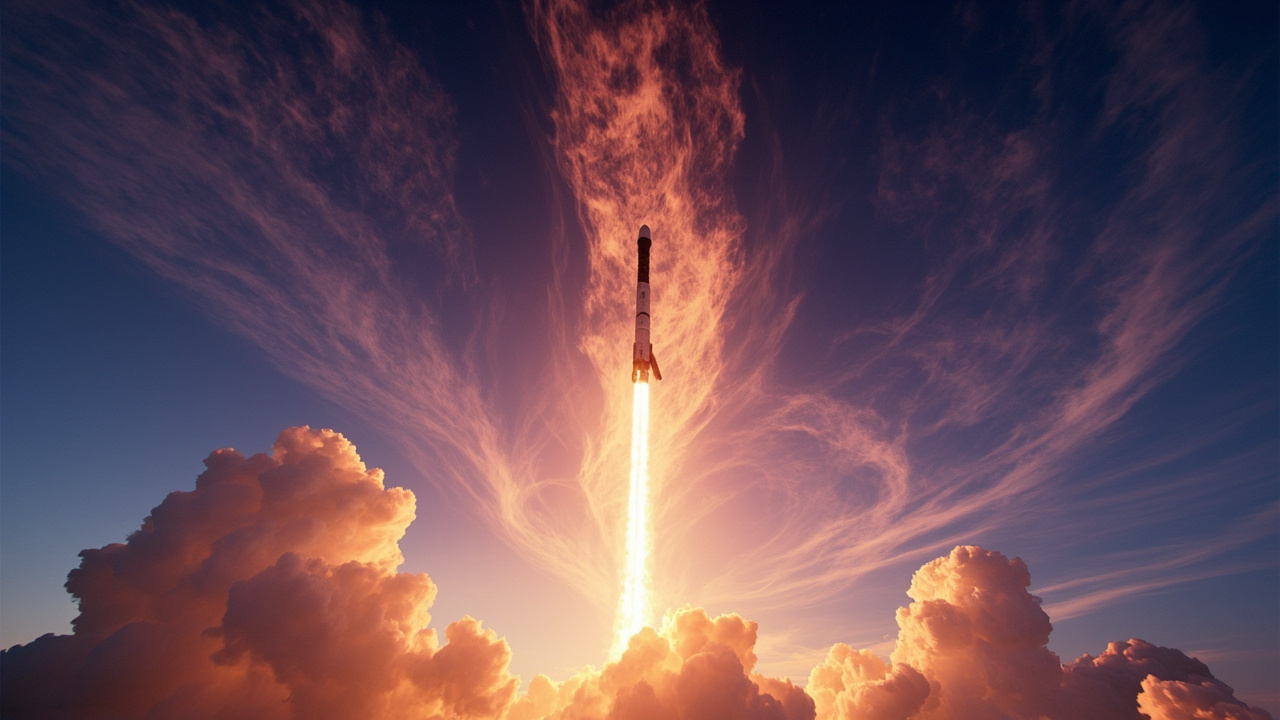
SpaceX cleared to resume Falcon 9 landings in The Bahamas after year-long suspension
Summary
The Bahamas has approved SpaceX to resume Falcon 9 rocket landings in its waters, ending a pause caused by a Starship debris incident last year. A landing is planned for an upcoming launch.
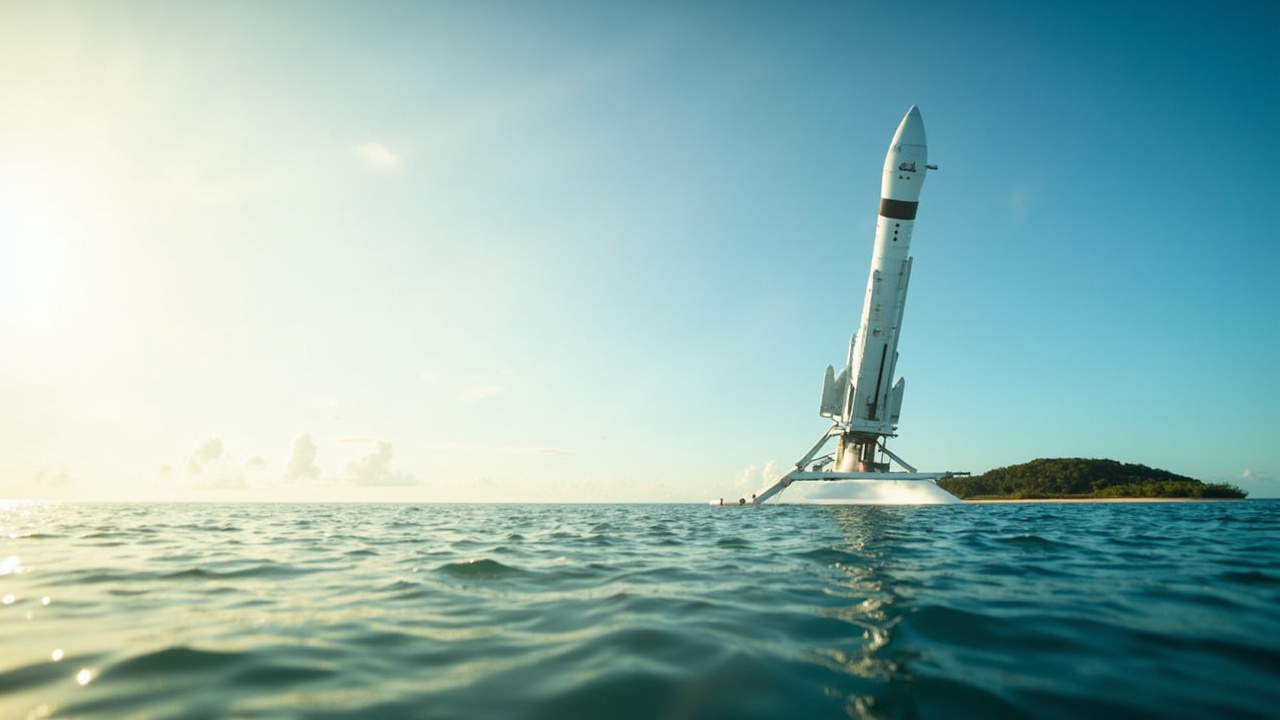
SpaceX cleared to resume rocket landings in The Bahamas
SpaceX can once again land its Falcon 9 rockets in Bahamian waters after the nation's aviation authority lifted a nearly year-long suspension. The Civil Aviation Authority of The Bahamas (CAA-B) approved the resumption on Tuesday, February 17th.
The suspension was triggered by a mishap during a Starship test flight last March. Debris from the upper stage of the Starship megarocket rained down on parts of the island nation, prompting an environmental review.
The partnership and the pause
SpaceX and The Bahamas announced their rocket-landing collaboration in early 2025. The agreement allows Falcon 9s launching from Florida to use new orbital trajectories, with their first stages landing on a drone ship in the Exuma Sound.
A Falcon 9 booster made its first successful Bahamian touchdown on February 18, 2025, during a Starlink satellite launch. SpaceX had initially planned for up to 20 such landings last year.
Those plans were halted after the Starship incident on March 6th. Bahamian officials announced a pause on April 15th, stating they needed to conduct a full environmental assessment of the rocket landing operations.
Return to flight is imminent
With the regulatory and environmental reviews now complete, SpaceX is set to return immediately. The company will use a Bahamian landing zone for its next mission.
A Falcon 9 first stage is scheduled to land on the drone ship in Exuma Sound during the Starlink Group 10-36 mission. The launch of 29 satellites is set for Thursday, February 19th, from Cape Canaveral Space Force Station in Florida.
The launch window opens at 5 p.m. EST (2200 GMT). This will mark the second-ever Falcon 9 landing in The Bahamas.
Starship's path to reliability
The incident that caused the pause was part of SpaceX's aggressive test campaign for its next-generation Starship vehicle. The flight on March 6, 2025, was the vehicle's eighth test.
Subsequent flights have shown improvement. The ninth flight in May also experienced an upper-stage breakup, though not over the Caribbean. Flights 10 and 11, in August and October respectively, were both fully successful.
The key elements of the CAA-B's decision and the upcoming mission are:
- Regulatory clearance: All required safety and environmental protocols are now satisfied.
- Mission: Starlink Group 10-36, launching 29 satellites.
- Launch Date: February 19, 2025.
- Landing Site: Drone ship in Exuma Sound, The Bahamas.
The resumption solidifies a key operational partnership for SpaceX, providing greater flexibility for its Florida-based launch cadence as it moves past the Starship-related setback.
Related Articles
SpaceX launches 53 Starlink satellites from California and Florida in two days
SpaceX launched 53 Starlink satellites in two Falcon 9 missions over two days, successfully deploying them and landing the boosters.

Elon Musk directs xAI to plan moon factory with satellite catapult
Elon Musk wants a moon factory and electromagnetic catapult to launch AI satellites, an idea echoing 1970s proposals for lunar mass drivers to exploit space resources.
Stay in the loop
Get the best AI-curated news delivered to your inbox. No spam, unsubscribe anytime.