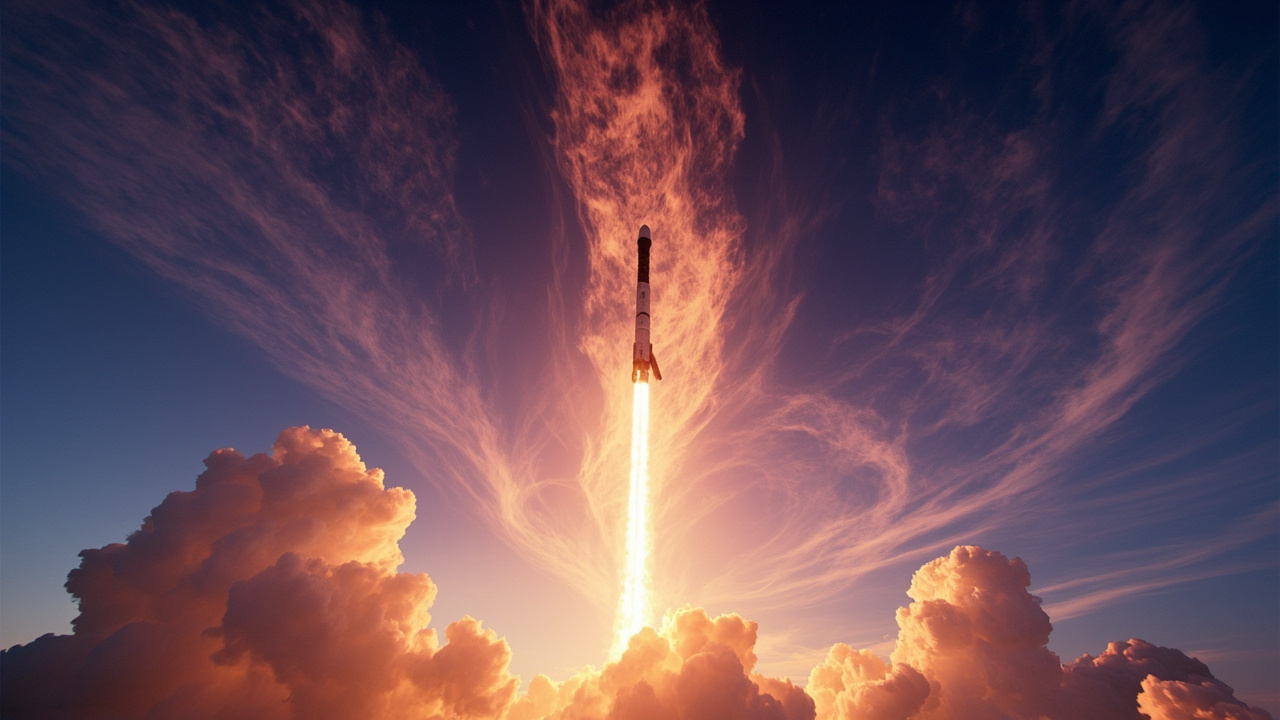
SpaceX launches 53 Starlink satellites from California and Florida in two days
Summary
SpaceX launched 53 Starlink satellites in two Falcon 9 missions over two days, successfully deploying them and landing the boosters.
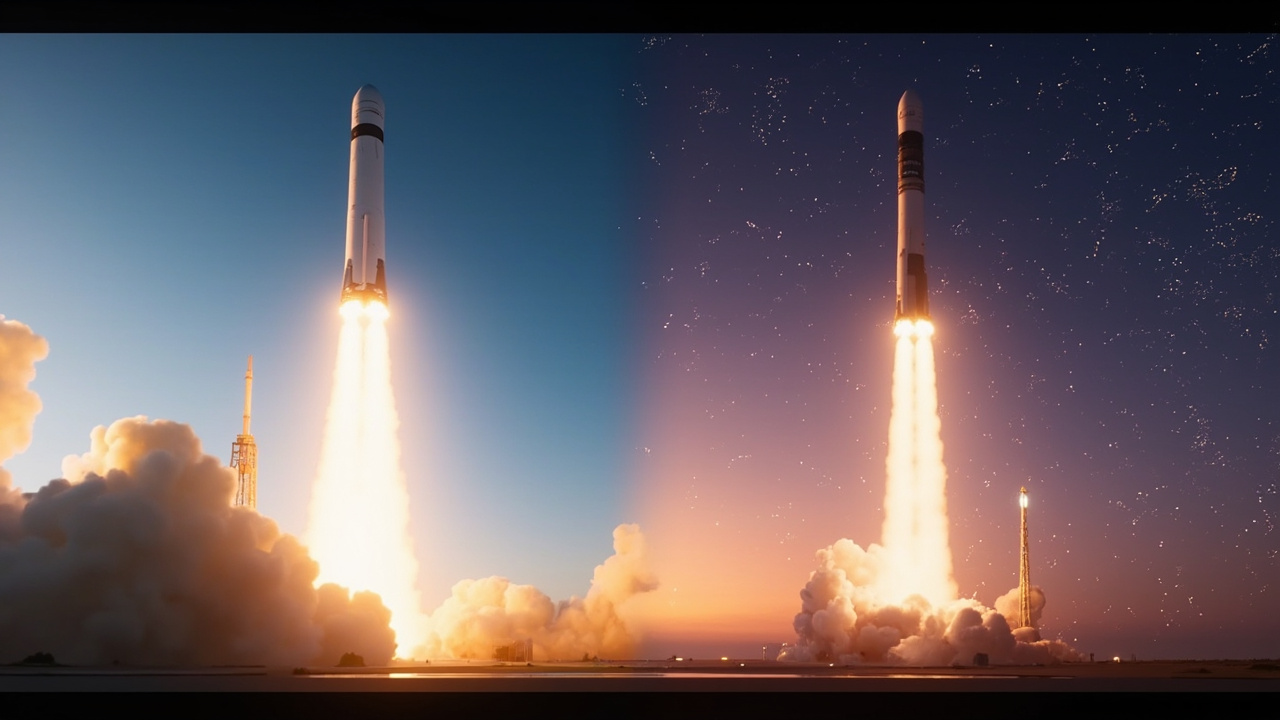
SpaceX launches 53 Starlink satellites in two days
SpaceX launched 53 new Starlink satellites across two Falcon 9 rocket missions over the weekend. The launches occurred from both U.S. coasts, adding to the company's rapidly expanding broadband megaconstellation.
The first launch sent 24 satellites to orbit from Vandenberg Space Force Base in California on Saturday, February 14th. Liftoff occurred at 8:59 p.m. EST.
The second mission launched 29 satellites from Cape Canaveral Space Force Station in Florida early Monday, February 16th. That rocket lifted off at 2:59 a.m. EST.
Boosters land for record reuses
Both Falcon 9 first stages successfully returned to Earth, landing on droneships in the ocean. These landings extended the flight records for the company's reusable boosters.
The booster from the California mission, designated B1081, landed on the droneship "Of Course I Still Love You." This marked its 22nd flight and landing.
The Florida mission's booster, B1090, landed on "A Shortfall of Gravitas." It completed its 10th successful mission.
Starlink's growing orbital network
SpaceX confirmed successful satellite deployment for both missions about an hour after each launch. The new satellites will join the active Starlink constellation in low Earth orbit.
The company's Starlink service provides global broadband internet, with a focus on underserved regions. The network now supports several key services:
- Standard broadband for residential and commercial users
- Direct-to-cell satellite connectivity for smartphones
- In-flight wifi on select airlines
With these latest additions, the constellation now has more than 9,600 active satellites in orbit. This launch was the 19th Falcon 9 flight of 2024 and the 602nd in company history.
The rapid pace of SpaceX launches
The back-to-back launches demonstrate SpaceX's accelerated launch cadence for 2024. The company is averaging more than one launch per week so far this year.
Most of these missions are dedicated to building out the Starlink constellation, which requires thousands of satellites to provide global coverage. SpaceX has regulatory approval to launch nearly 12,000 satellites and has requested permission for tens of thousands more.
The company's reuse program continues to set records, with boosters now routinely flying more than 20 missions. This reusability is key to maintaining the high launch tempo required for Starlink's deployment.
Related Articles

NASA launches twin rockets to study aurora electrical currents
NASA launched two rockets from Alaska to study auroras, gathering data on black auroras and electric currents within the northern lights.

Elon Musk directs xAI to plan moon factory with satellite catapult
Elon Musk wants a moon factory and electromagnetic catapult to launch AI satellites, an idea echoing 1970s proposals for lunar mass drivers to exploit space resources.
Stay in the loop
Get the best AI-curated news delivered to your inbox. No spam, unsubscribe anytime.