
Squat Depth: How Low Should You Go?
Summary
Squat depth depends on your goals. Most should aim for thighs parallel to the floor. Lower squats improve mobility; higher ones can help with sports or injuries. Choose a depth and stay consistent.

What is squat depth?
Squat depth refers to how low you get your hips during the exercise. The lowest possible position is often called an “ass-to-grass” squat, where your thighs touch your calves.
If you can only bend your knees partway, you’re squatting “high.” While a coach may advise you to go deeper, you can ignore unsolicited advice from strangers at the gym.
Higher squats are generally easier, allowing you to move more weight. For consistent training, you must pick a depth and stick to it. Comparing a 225-pound parallel squat to a 315-pound half-squat is not a legitimate measure of progress.
Most people should squat to parallel
The best squat depth for most people is “to parallel.” This means your thighs are parallel to the floor, with your hips and knees roughly level.
This standard is widely used because it’s easy to see and judge, providing consistency in training and competition. In powerlifting, a legal squat requires the hip joint to go lower than the top of the kneecap.
Do not try to judge your own depth in a mirror. Instead, video yourself from the side with the camera at hip level, have a friend watch, or use a bench or box to tap with each rep for consistency.
Benefits of squatting to parallel:
- You engage muscles through a greater range of motion than with a higher squat.
- It’s an achievable goal for most people, even with limited initial mobility.
- You can typically lift more weight this way than with a lower squat.
- It’s easier to maintain foot stability compared to a very low squat.
- It provides a consistent basis for comparing strength from week to week.
When to squat lower than parallel
Any squat lower than parallel still meets the basic “parallel” requirement and is legal in powerlifting. People often go very low for specific reasons, like personal comfort or sport-specific training.
Olympic weightlifters frequently train with very low squats to mimic the bottom positions of cleans and snatches. Some gym-goers also prefer low squats to combine strength training with mobility work.
However, not everyone is comfortable squatting low. It requires good ankle mobility to maintain balance and keep your feet flat. While deep squats are not proven to cause knee injuries, some people with existing knee issues may prefer higher squats.
Benefits of squatting low:
- You train your leg and hip muscles through a larger range of motion.
- Some research suggests greater muscle growth for the glutes and adductors.
- It helps maintain limber hips and ankles.
- It prepares you for movements like snatches, cleans, and pistol squats that require deep mobility.
When to squat higher than parallel
Purposely squatting above parallel—often called a half-squat or quarter-squat—has a legitimate place in training. These are defined by your hip joint staying well above your knee level.
Half-squats can be a useful tool for athletes in sports like basketball, where the full squat position is rare. They allow you to overload with more weight than a parallel squat, targeting the upper range of motion.
High squats are also sometimes done out of necessity. If you lack the mobility for a parallel squat or are working around an injury, squatting high is better than not squatting at all. Use a tall box behind you to ensure consistent depth each rep.
Benefits of squatting high:
- Half-squats can build strength beneficial for running and jumping sports.
- It is a better option than avoiding squats entirely due to mobility or injury.
- It can serve as a stepping stone to eventually achieving a deeper squat.
How to squat deeper
If you want to squat deeper but can’t, the issue is often ankle mobility. Your ankles need to bend significantly to allow a deep squat position.
For a quick fix, place small weight plates under your heels or wear weightlifting shoes with a raised heel. Always include calf and ankle stretches before your squat sessions.
For long-term improvement, dedicate time to stretching and foam rolling your ankles. Experimenting with different stance widths and squat variations, like front or goblet squats, can also help you find a more comfortable, deeper position.
Choosing the right squat depth for you
If you don’t compete in a squat-centric sport, the “right” depth is largely up to you. The squat police are not coming for you if your squats are too high or too low.
However, if you’re artificially inflating your numbers with partial squats, swallow your ego and commit to a consistent, honest depth like parallel. Conversely, if you enjoy squatting very low, you can safely ignore anyone who claims it will ruin your knees.
Ultimately, you should squat to the depth that aligns with your goals, abilities, and comfort. Squatting ass-to-grass does not make you a better person, and you shouldn’t force a depth just because someone said you “should.”
Related Articles
Rest Times Between Sets Vary for Strength vs. Size Goals
Rest times between sets depend on goals. For strength/heavy lifts, rest 3-5 minutes. For muscle growth, 1-2 minutes is ideal. Use longer rests for compound exercises and shorter for isolation moves.
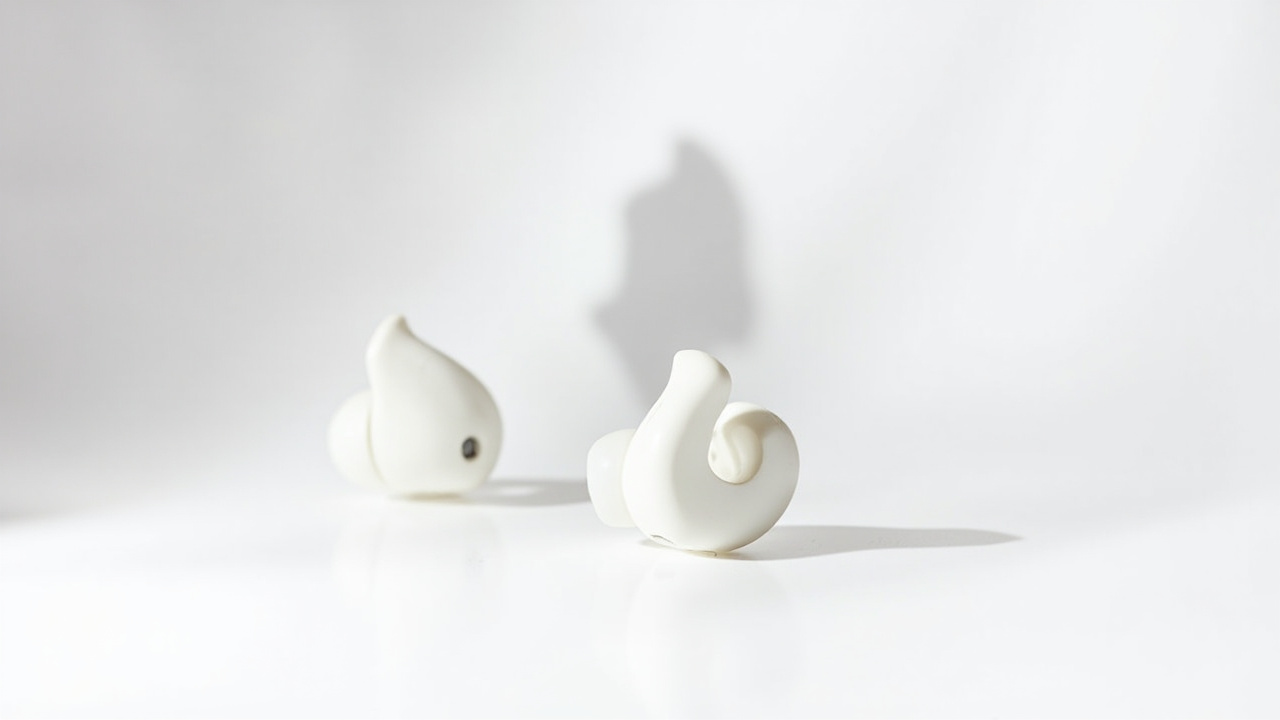
Shokz OpenFit Air earbuds drop to record low price of $79.95
Shokz OpenFit Air open-ear earbuds are on sale for $79.95 (33% off). They're a budget-friendly, comfortable option for staying aware of surroundings, but have weaker bass and shorter battery life than pricier models.
Stay in the loop
Get the best AI-curated news delivered to your inbox. No spam, unsubscribe anytime.