
Viagra, shingles vaccine among three drugs promising for Alzheimer's
Summary
Three approved drugs—a shingles vaccine, Viagra, and riluzole—show promise for repurposing to treat or prevent Alzheimer's, offering a faster, safer path than developing new medications.
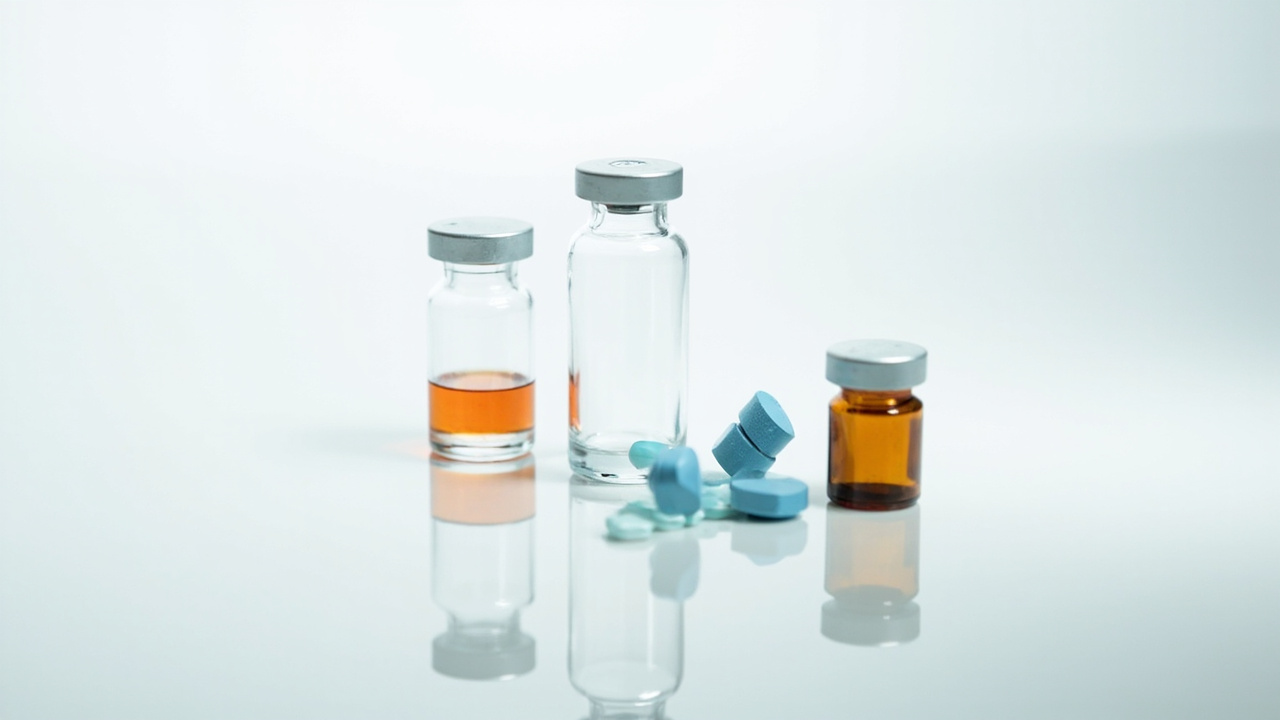
Three existing drugs identified as potential Alzheimer's treatments
Researchers have identified three already-approved medications as the most promising candidates to be repurposed for treating or preventing Alzheimer's disease. The study, led by the University of Exeter and funded by the Alzheimer's Society, was published in the journal Alzheimer's Research and Therapy.
Creating new drugs from scratch can take over a decade and cost billions. Repurposing existing, safe medicines offers a faster and more affordable path to new treatments. The three drugs selected are a shingles vaccine (Zostavax), Viagra (sildenafil), and a motor neurone disease medication (riluzole).
How the top candidates were chosen
An international panel of 21 experts, including dementia specialists and people affected by the condition, evaluated 80 existing drugs. Their goal was to find medicines that target Alzheimer's-related biological processes and have shown promise in early studies.
After multiple review rounds, the panel agreed on three 'priority candidates' for immediate further research. Each was chosen for its safety profile in older adults and encouraging preclinical data.
Five other drugs were shortlisted but did not make the final priority list. These included:
- Fingolimod (used for multiple sclerosis)
- Vortioxetine (an antidepressant)
- Microlithium (used for depression)
- Dasatinib (a leukemia treatment)
- Cytisine (used in anesthetics)
The shingles vaccine emerges as the frontrunner
Among the three finalists, the shingles vaccine Zostavax stood out as the most promising. It requires only one or two doses and has a long-established safety record.
Previous observational research suggests people who received the shingles vaccine were about 16% less likely to develop dementia. Researchers now hope to launch a large UK clinical trial to test this link definitively.
They plan to use the online PROTECT study registry to track participants. This platform allows volunteers to complete annual health questionnaires and participate in brain research remotely.
Calls for urgent clinical trials
Experts stress that these drugs are not yet proven Alzheimer's treatments and require rigorous testing. "We now need to see robust clinical trials to understand their true value," said lead researcher Dr. Anne Corbett, a Professor of Dementia Research at the University of Exeter.
She emphasized that drug repurposing is a vital strategy, helping turn "today's medicine for one condition, into tomorrow's treatment for another." The work was also supported by the National Institute for Health and Care Research and related biomedical centers.
Alzheimer's Society's Chief Policy and Research Officer, Prof Fiona Carragher, drew a parallel to aspirin, which was repurposed from a painkiller to a heart attack preventative. "This is what we want to see in the field of dementia," she said, calling drug repurposing "one of the most exciting frontiers in dementia research."
The scale of the dementia challenge
Dementia is the leading cause of death in the UK, affecting around one million people. One in three people born today will develop dementia in their lifetime, yet there is still no cure.
Alzheimer's disease accounts for more than half of all dementia diagnoses. The urgent need for new treatments makes the fast-track potential of drug repurposing particularly significant for public health.
The researchers' next step is securing funding and approval to begin clinical trials with the three priority drugs, moving them from theoretical promise to proven therapies.
Related Articles
Lack of fiber harms older brains in just three days, study in rats finds
A new study in rats found that a lack of dietary fiber, common in refined diets, can quickly impair emotional memory in older brains, specifically affecting the amygdala. This suggests fiber is crucial for cognitive health in aging.

Second pregnancy reshapes brain differently than first, study finds
A second pregnancy uniquely changes a woman's brain, with both similar and distinct neural transformations compared to a first pregnancy.
Stay in the loop
Get the best AI-curated news delivered to your inbox. No spam, unsubscribe anytime.