X's algorithm boosts political parties from left and right, study finds
A study in Nature examines how X's (formerly Twitter) feed algorithm influences political views and polarization.

AI-generated discussions on the latest tech and AI news. Every article gets a unique podcast episode.
897
Episodes
14+
Hours of content
A study in Nature examines how X's (formerly Twitter) feed algorithm influences political views and polarization.

AI improves cancer detection in cytology, overcoming human subjectivity and workforce shortages.

Microsoft's glass storage can hold 4.8TB of data for over 10,000 years, offering a durable alternative to degrading hard drives.

Autistic advocate Sondra Williams, misdiagnosed for years, pushes for greater autistic involvement in research to shift focus from "curing" to understanding.

A man's reality glitches, revealing he's a scientist in a simulated war, facing a choice to forget or try again.
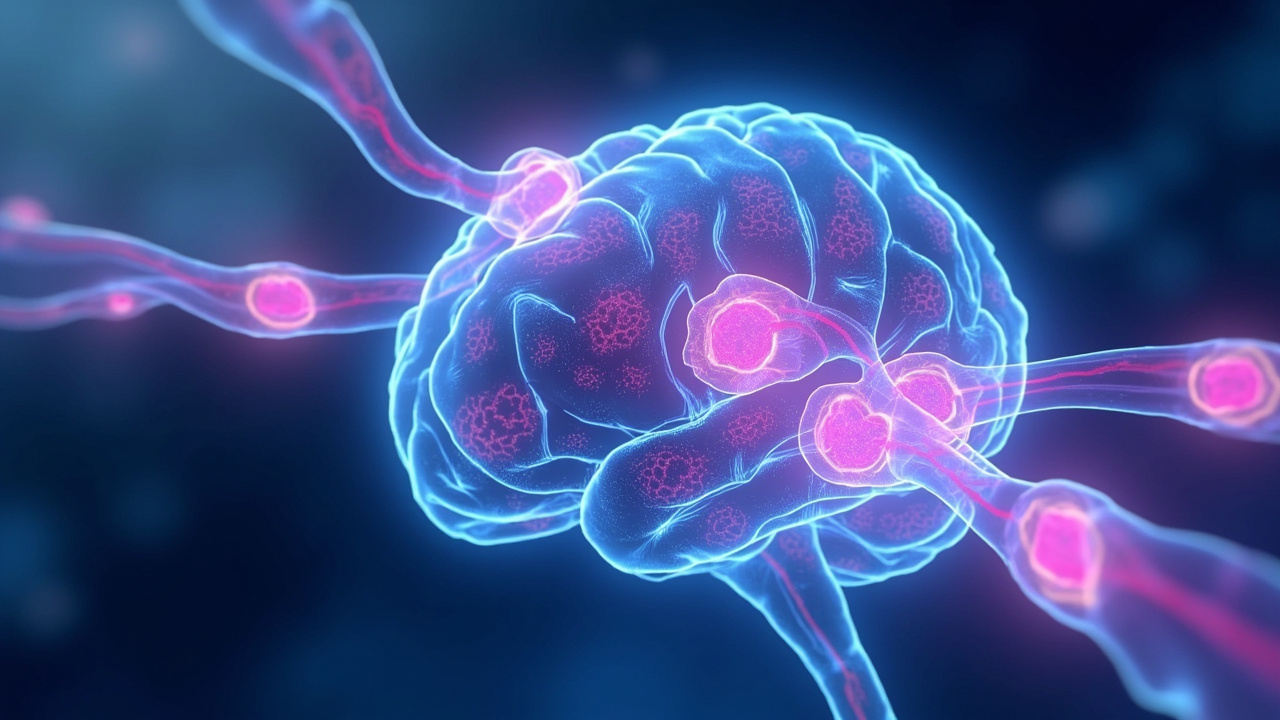
Brain's venous sinuses are active, not passive. They pump fluid, have holes for immune surveillance, and reshape to accommodate immune cells, showing the brain's borders are highly regulated.
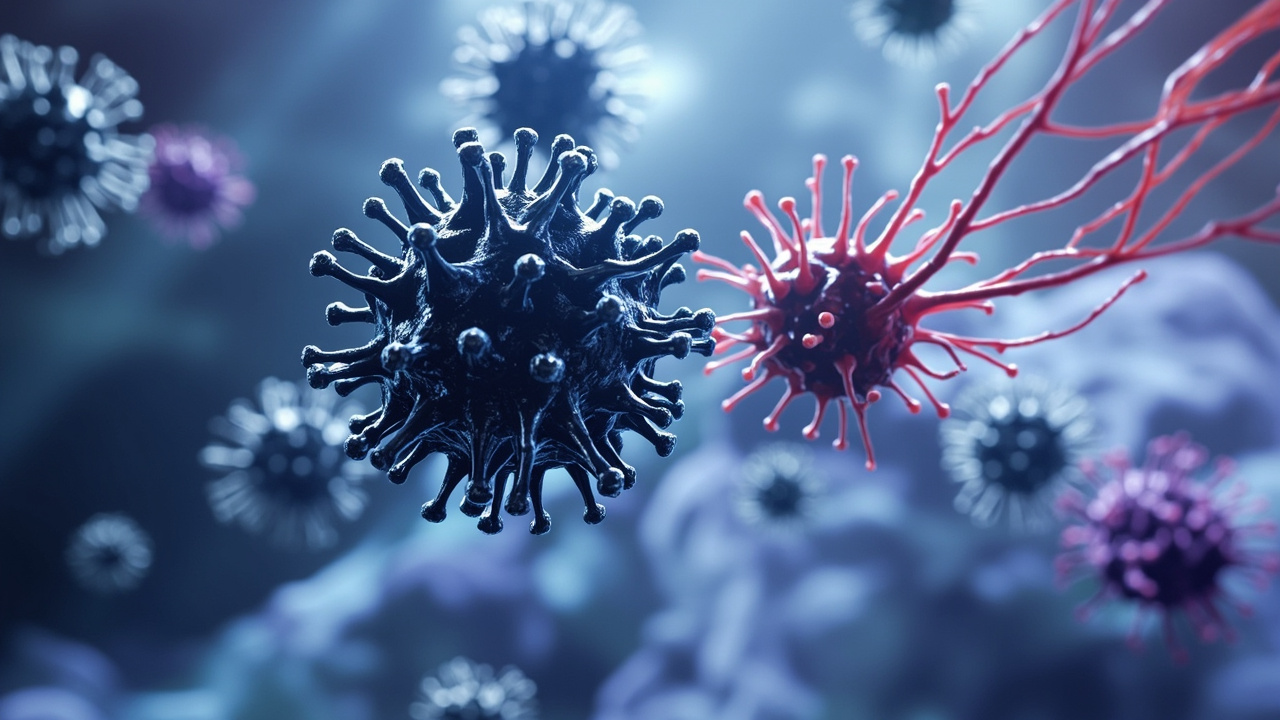
Giant virus hijacks host's protein-making machinery, confirming viruses can co-opt cellular systems.
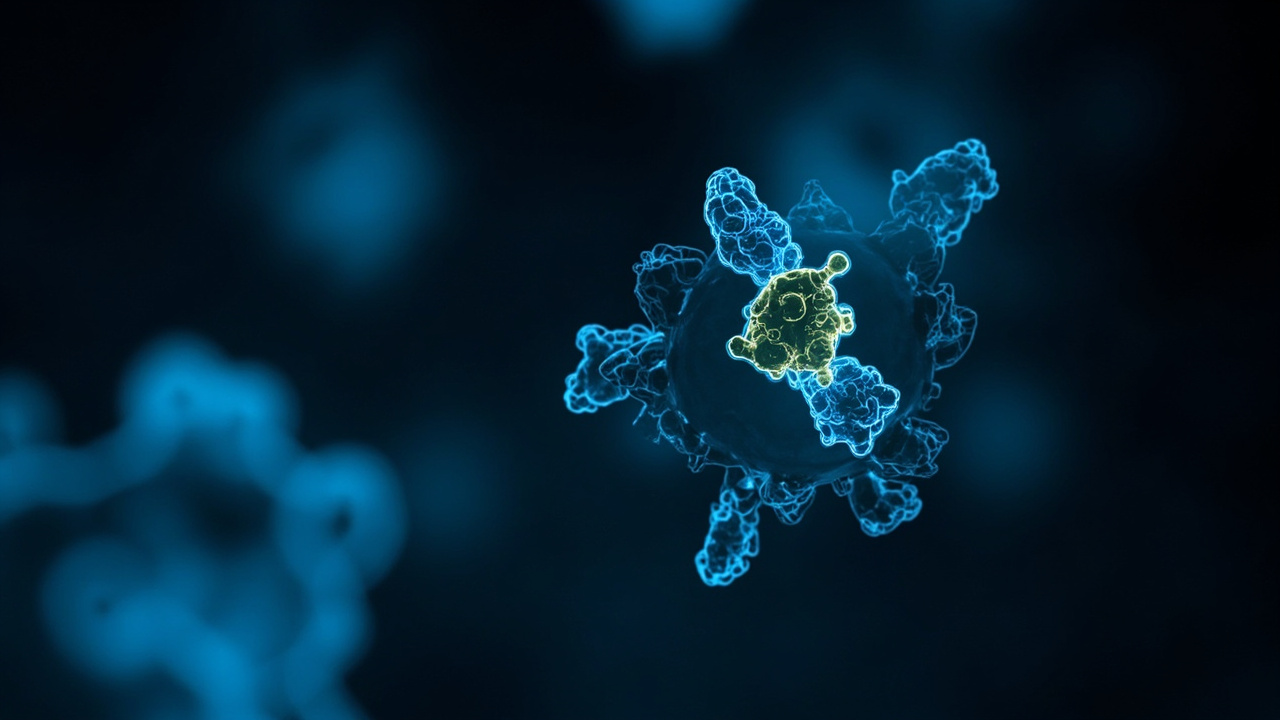
ATF4 in cancer cells suppresses anti-tumor immunity by producing LCN2, which attracts immunosuppressive macrophages and excludes T cells. Blocking LCN2 boosts immune response.
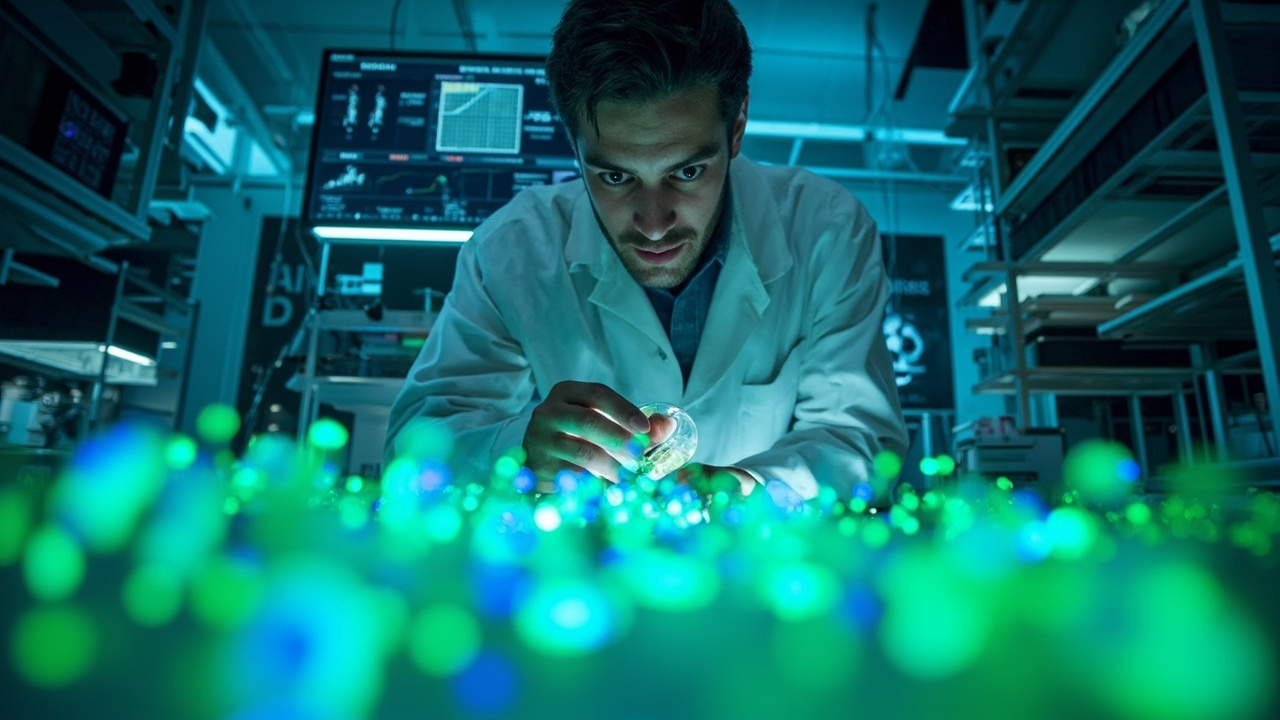
New cold-injection method enables scalable, high-yield synthesis of stable perovskite nanocrystals for industrial use.

Researchers synthesized a new family of bulk moiré metals in thermodynamic equilibrium, creating tunable, coherent superlattices without chemical changes. This scalable approach reveals complex electronic structures and opens pathways for advanced electronics and higher-dimensional physics.