2 min read
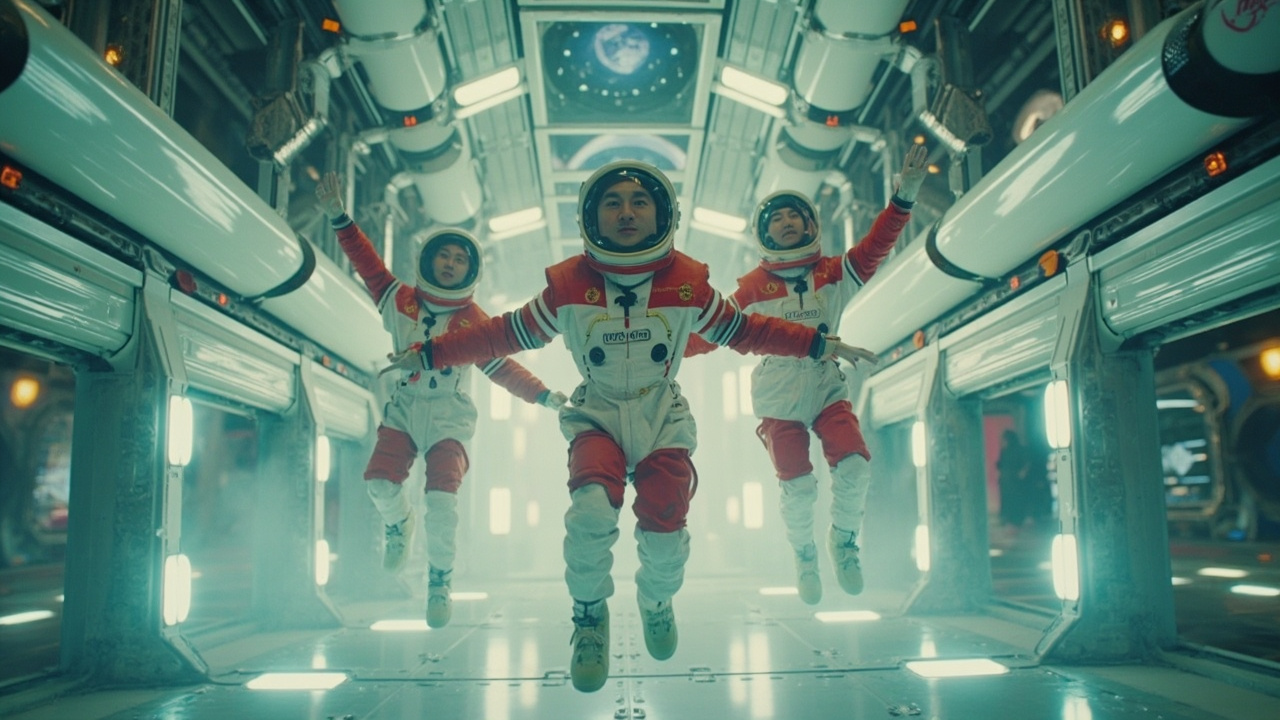
Chinese astronauts film zero-gravity Lunar New Year music video
Chinese astronauts on the Tiangong Space Station celebrated Lunar New Year with a zero-gravity music video, marking the Year of the Horse.

898 articles
Chinese astronauts on the Tiangong Space Station celebrated Lunar New Year with a zero-gravity music video, marking the Year of the Horse.
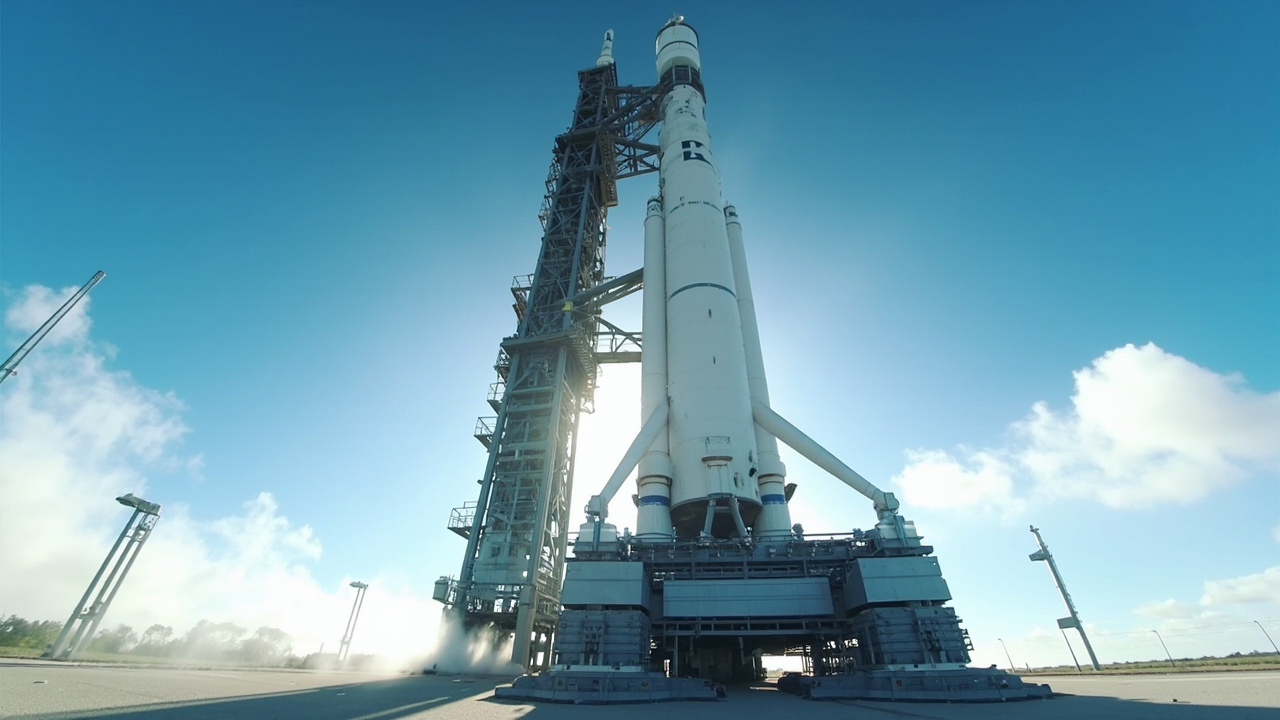
NASA will conduct a second fueling test for the Artemis 2 moon rocket this week after fixing a leak from the first attempt. This test is crucial for the upcoming crewed lunar mission.

Director Dan Trachtenberg discusses the sci-fi adventure tone of "Predator: Badlands," deleted scenes, hidden Easter eggs, and future franchise ideas in a spoiler-heavy interview.
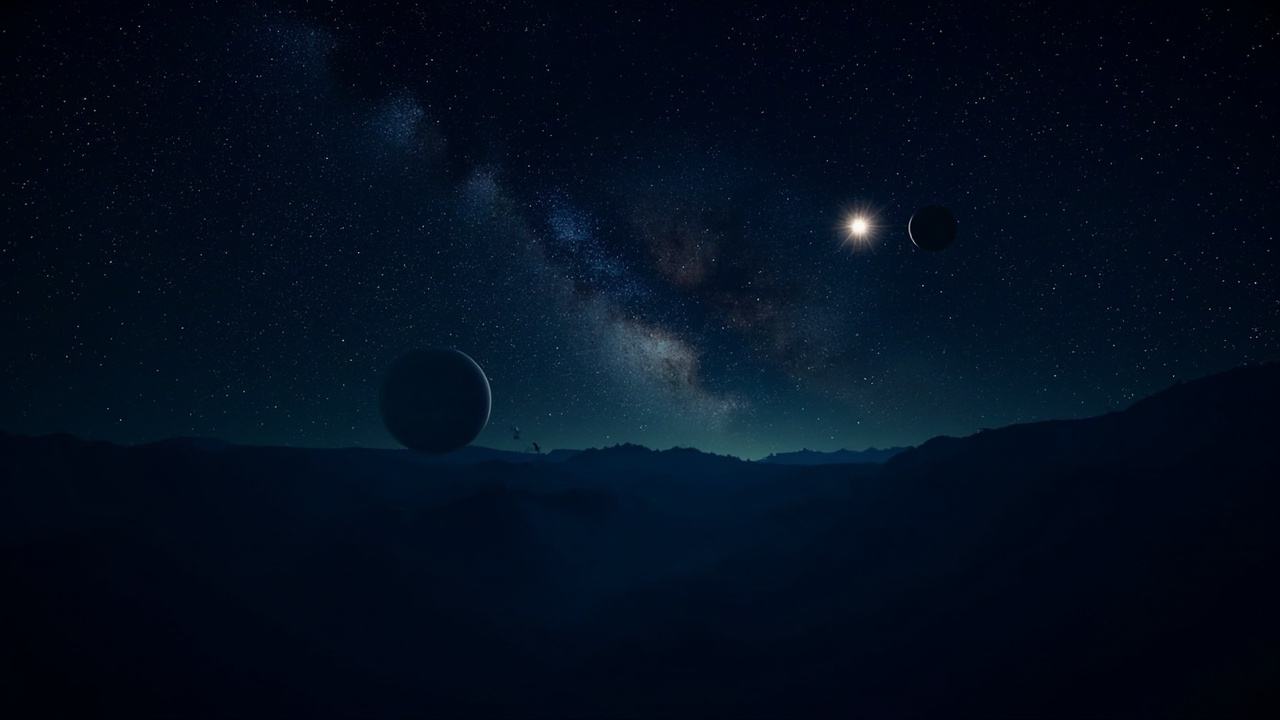
New moon offers dark skies to spot Mercury, Saturn, constellations like Orion, and the Big Dipper.

New trailer for "The Mandalorian and Grogu" movie reveals more plot, villains like the Hutts, and a 2026 release. It's the first Star Wars theatrical film since 2019.
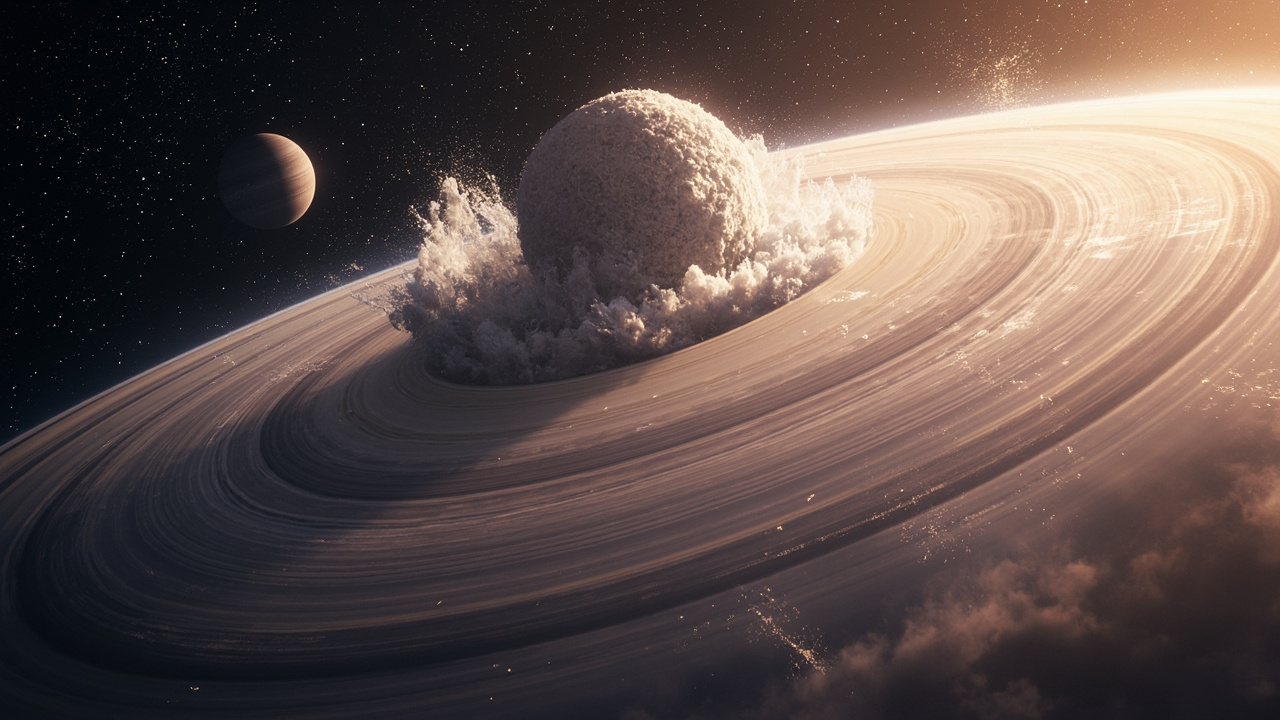
A collision that formed Titan may have triggered Saturn's tilt and the formation of its rings about 100-200 million years ago.
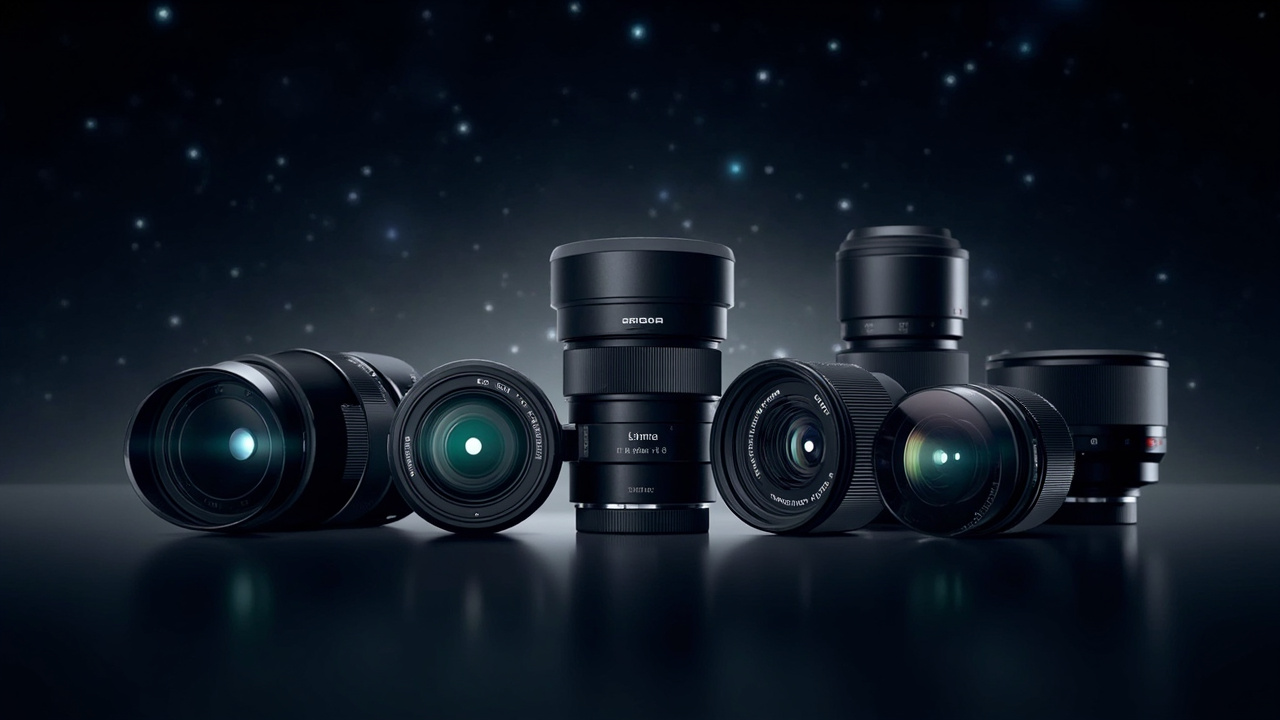
Space.com recommends the best third-party lenses for astrophotography in 2026, with the Sigma 14mm f/1.4 DG DN Art as the top overall pick for its low-light performance.
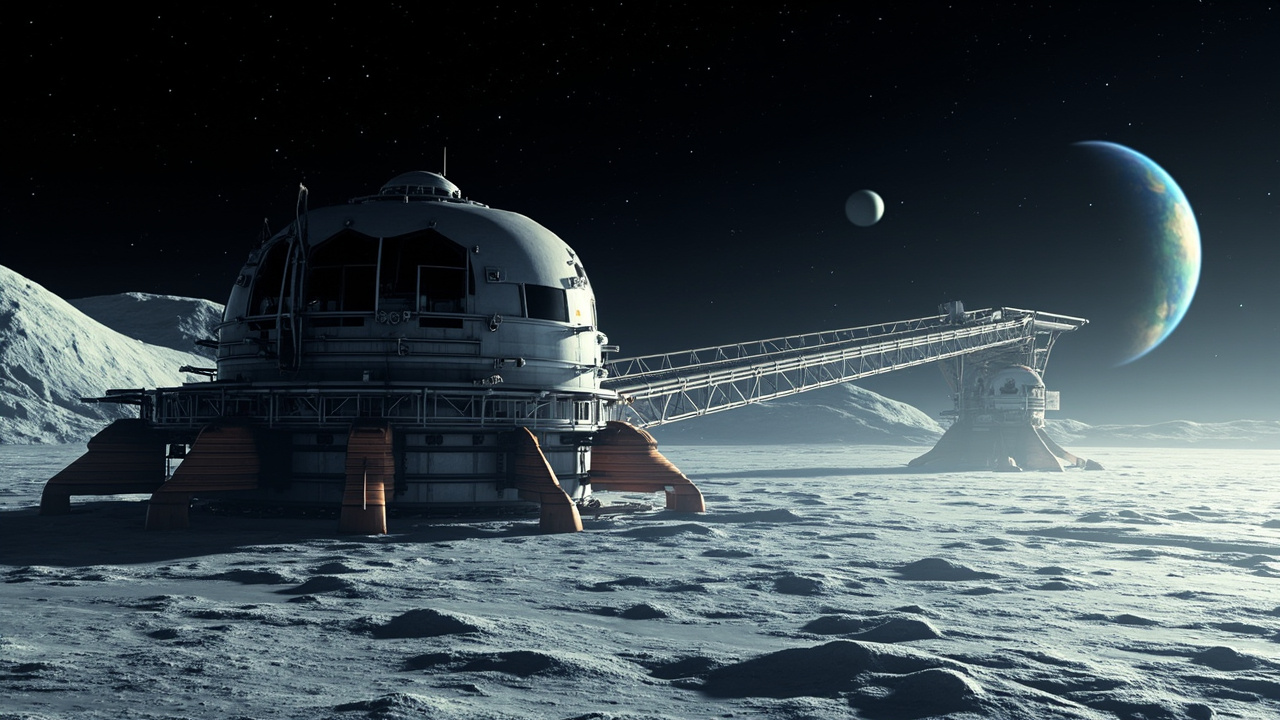
Elon Musk wants a moon factory and electromagnetic catapult to launch AI satellites, an idea echoing 1970s proposals for lunar mass drivers to exploit space resources.
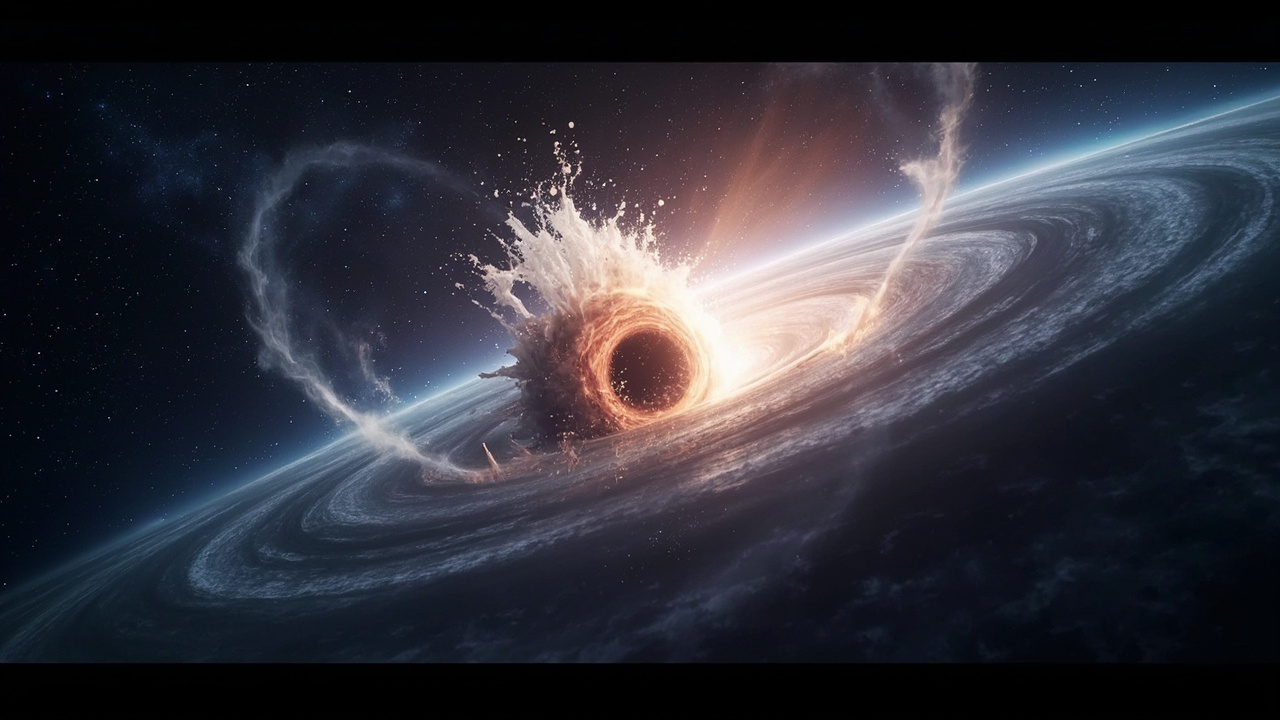
Astronomers observed a short, off-center optical flare from a star being ripped apart by a black hole. This event suggests the black hole is of the elusive intermediate-mass class, located in a dense star cluster far from its galaxy's core.
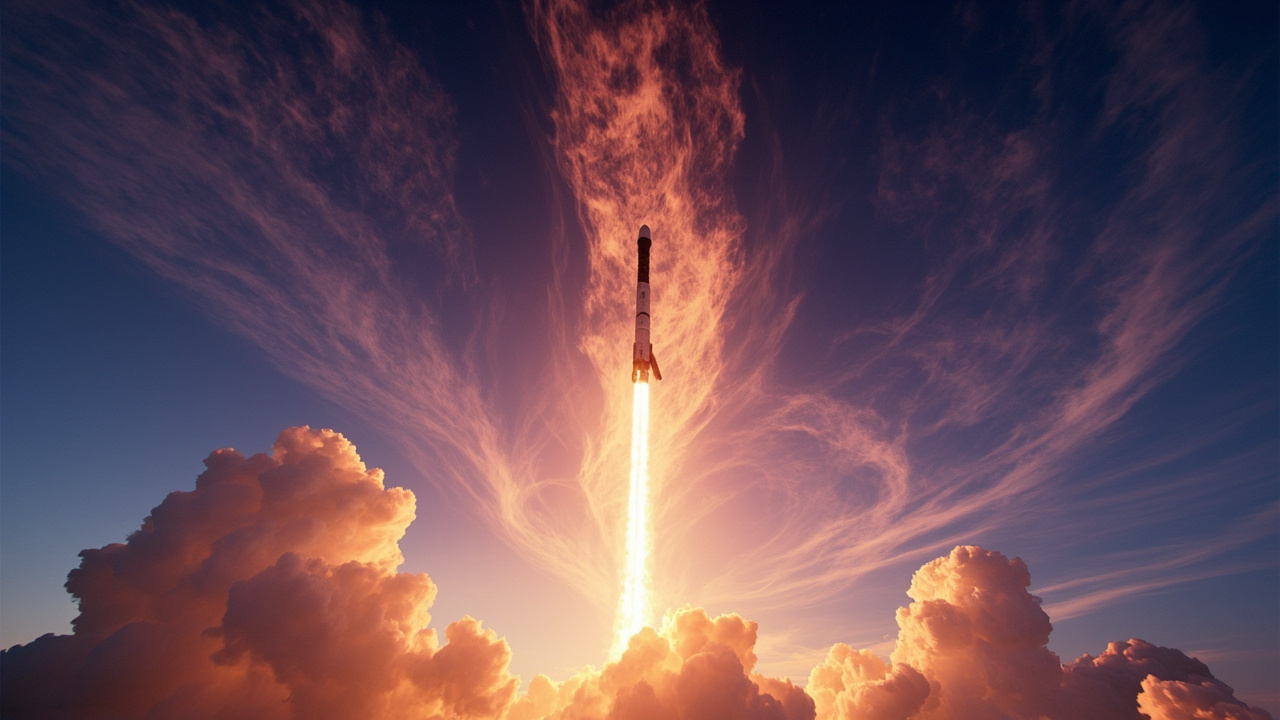
NASA released a nebula-like photo of a SpaceX Falcon 9 launch, showing its exhaust plume forming complex patterns as it carried Crew-12 astronauts to the ISS.
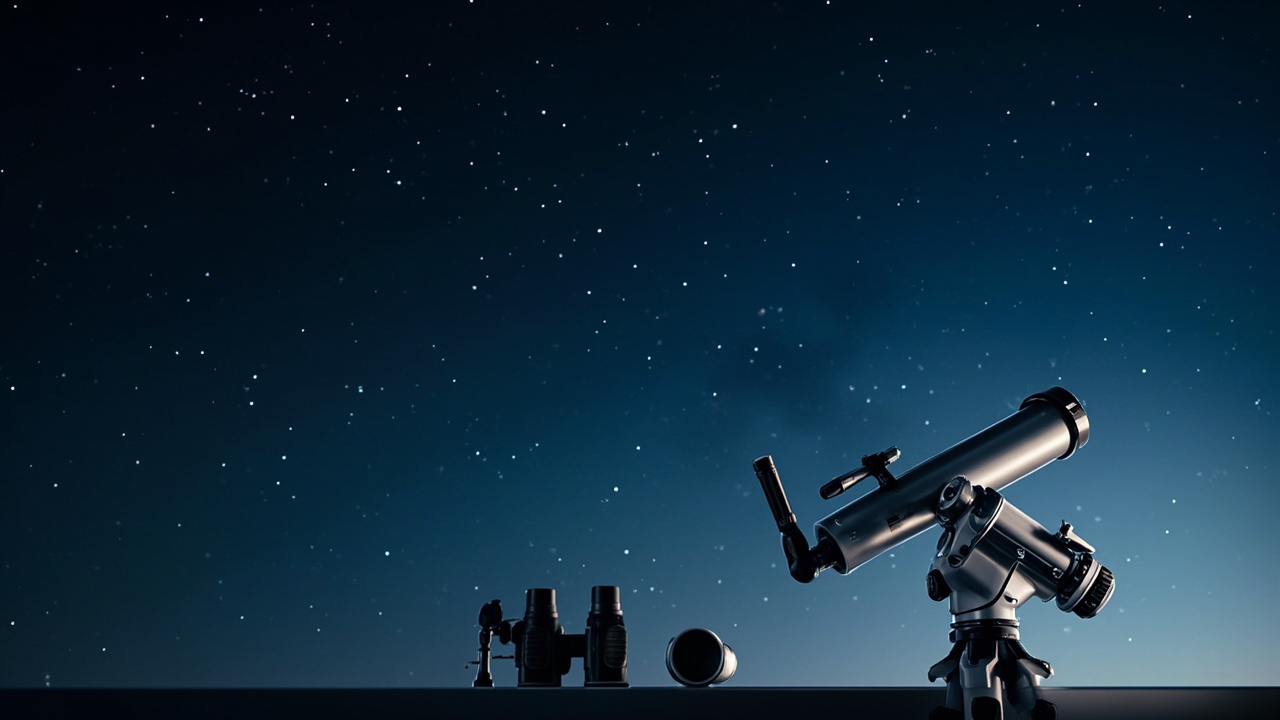
Premium stargazing gear like smart telescopes and image-stabilized binoculars offer transformative views, automating finding objects and providing steady, detailed observations of celestial wonders.
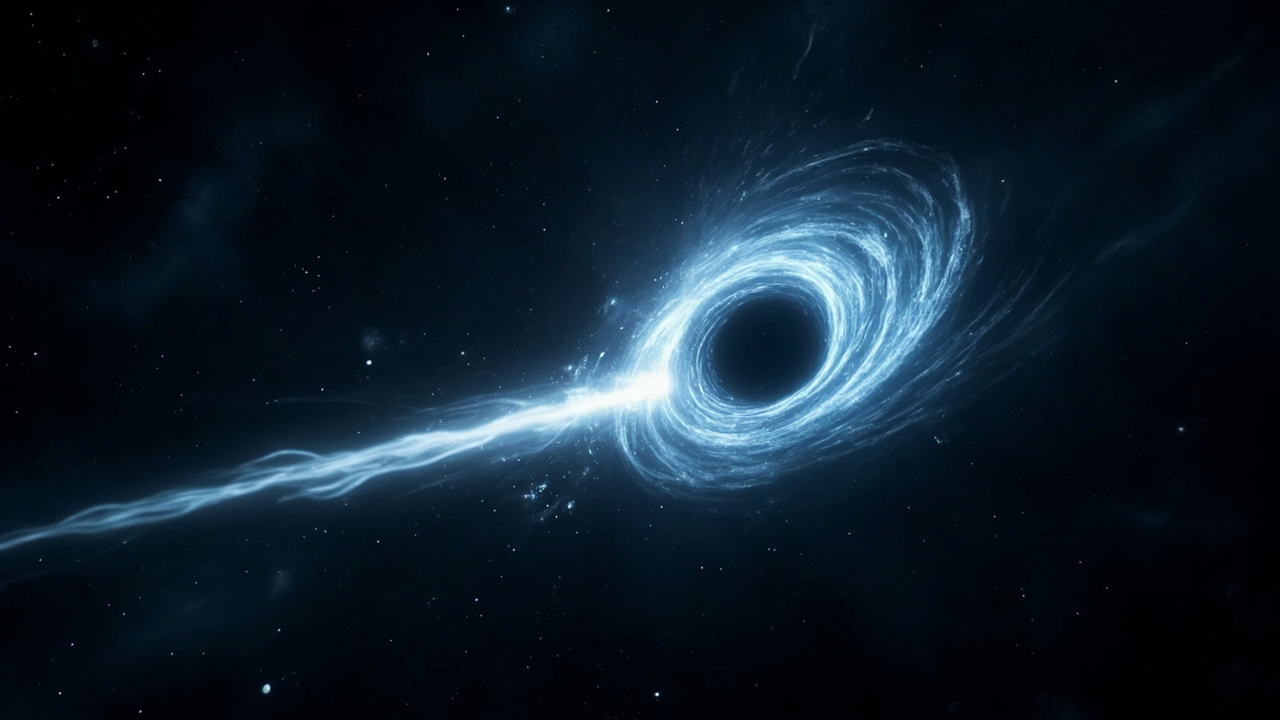
Astronomers have discovered evidence of runaway supermassive black holes, propelled by gravitational wave recoil from collisions, traveling at high speeds through and between galaxies. While one entering our solar system is possible, the odds are extremely low.