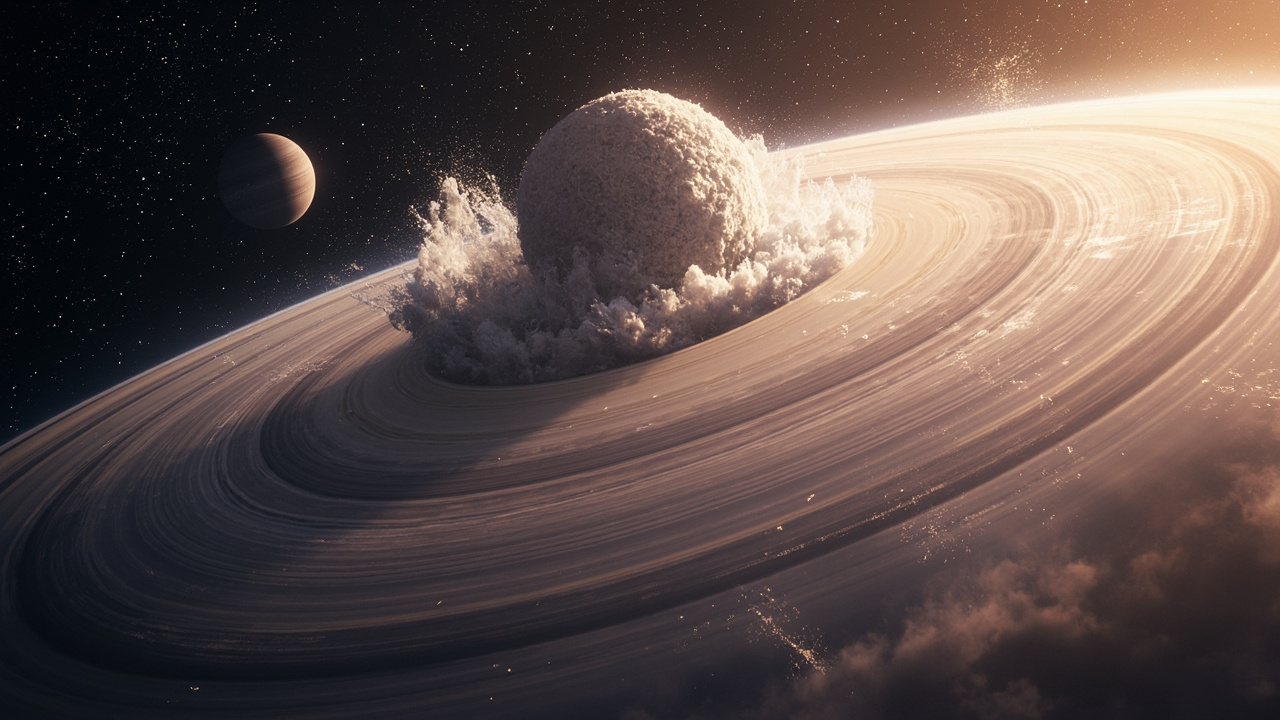
Saturn's rings may be from ancient moon collision, study finds
A collision that formed Titan may have triggered Saturn's tilt and the formation of its rings about 100-200 million years ago.

AI-generated discussions on the latest tech and AI news. Every article gets a unique podcast episode.
894
Episodes
14+
Hours of content
A collision that formed Titan may have triggered Saturn's tilt and the formation of its rings about 100-200 million years ago.
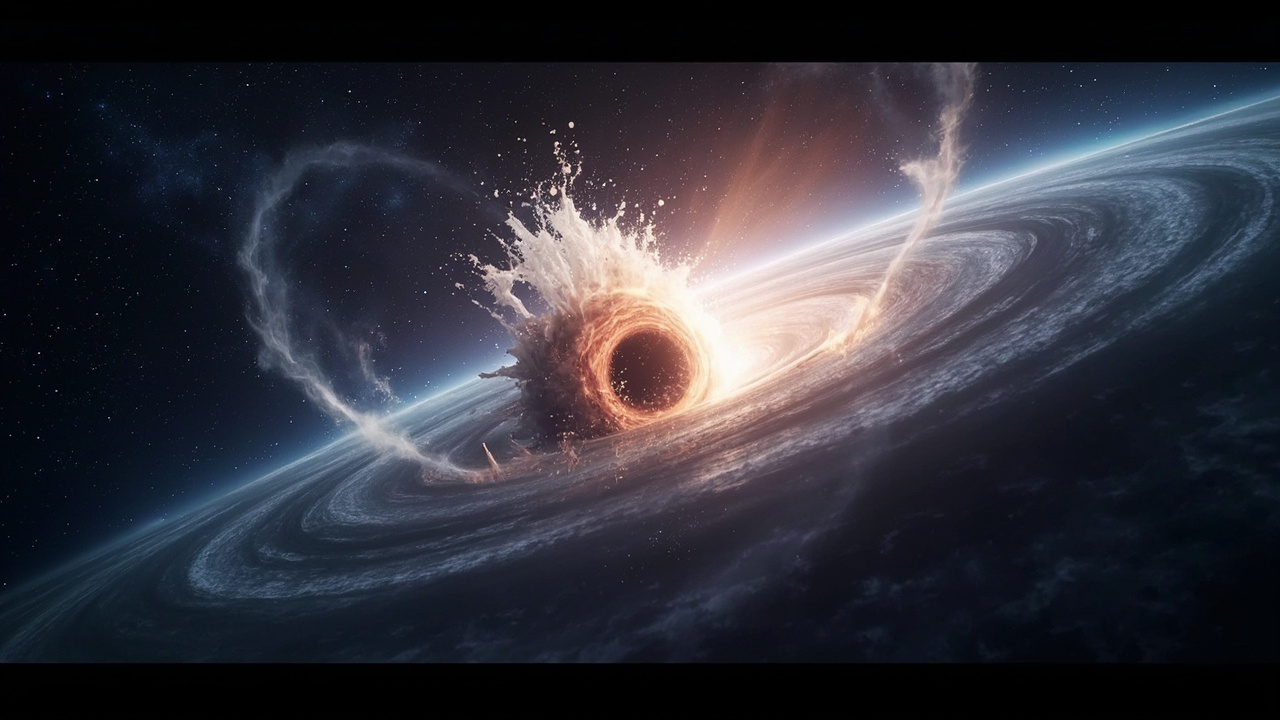
Astronomers observed a short, off-center optical flare from a star being ripped apart by a black hole. This event suggests the black hole is of the elusive intermediate-mass class, located in a dense star cluster far from its galaxy's core.
Premium stargazing gear like smart telescopes and image-stabilized binoculars offer transformative views, automating finding objects and providing steady, detailed observations of celestial wonders.
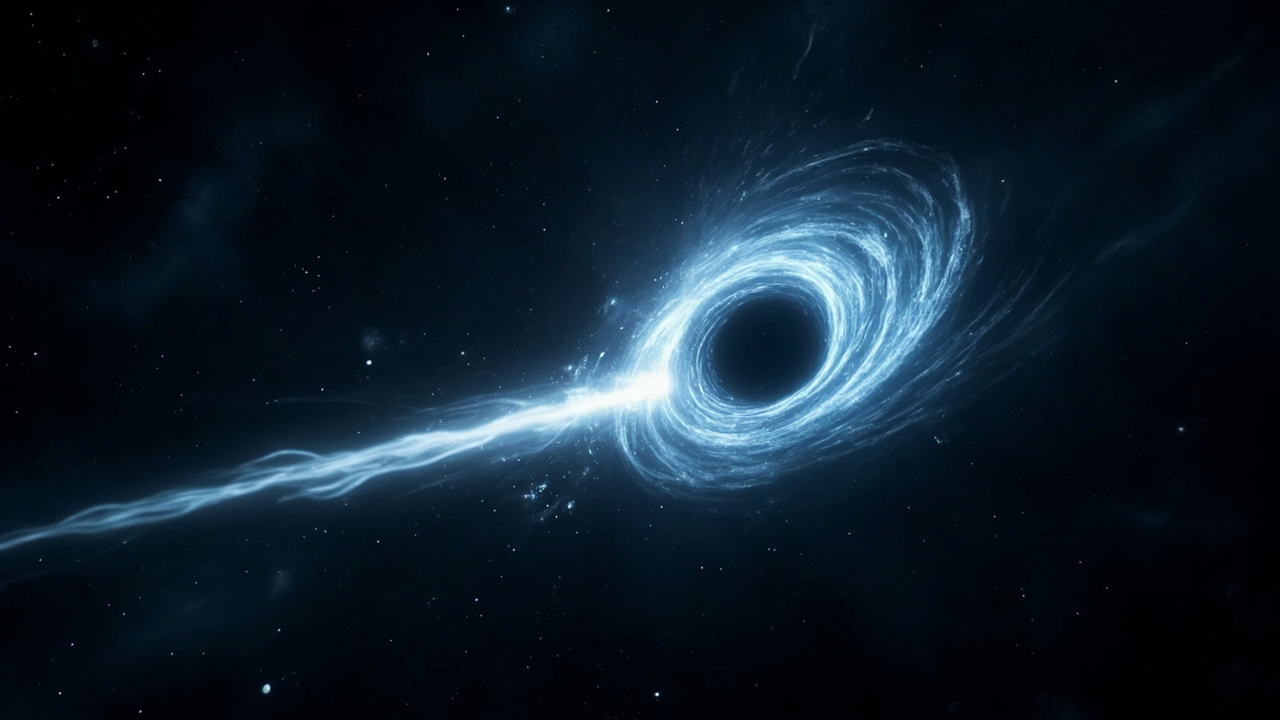
Astronomers have discovered evidence of runaway supermassive black holes, propelled by gravitational wave recoil from collisions, traveling at high speeds through and between galaxies. While one entering our solar system is possible, the odds are extremely low.
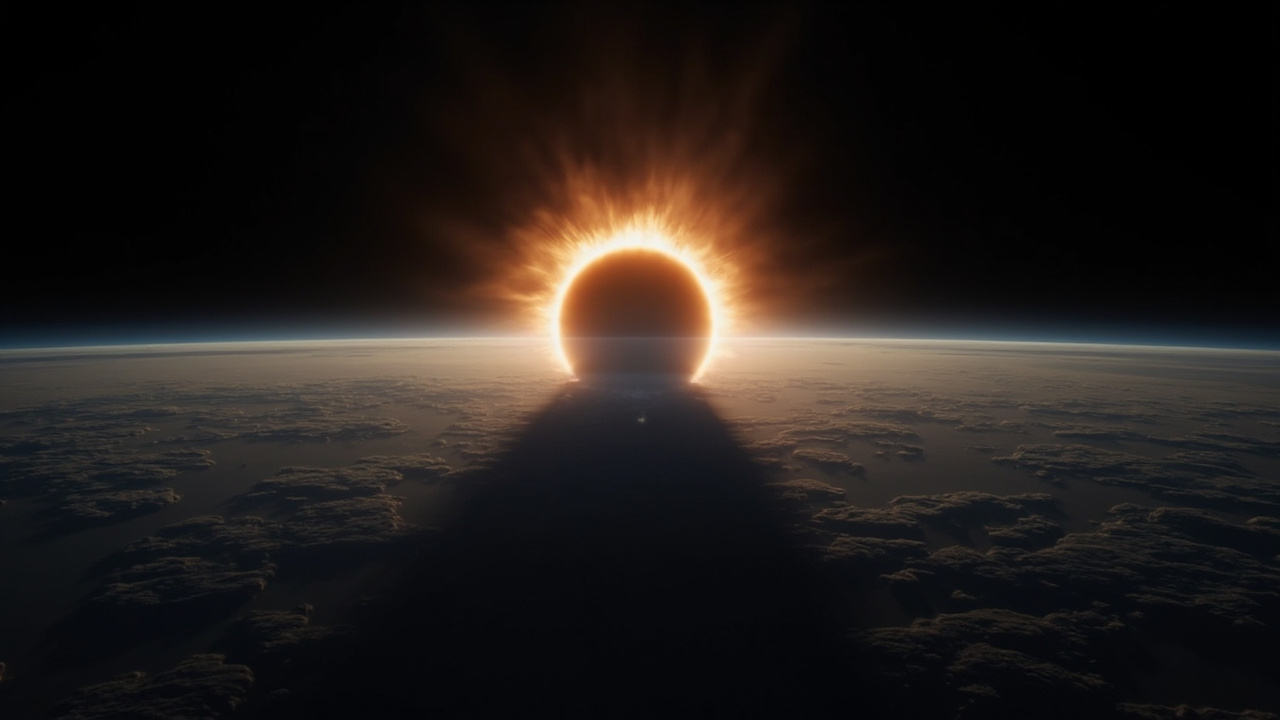
Satellites captured the Feb. 17 annular solar eclipse over Antarctica, where the moon blocked most of the sun, leaving a "ring of fire." The next major eclipse is a total lunar eclipse on March 3.
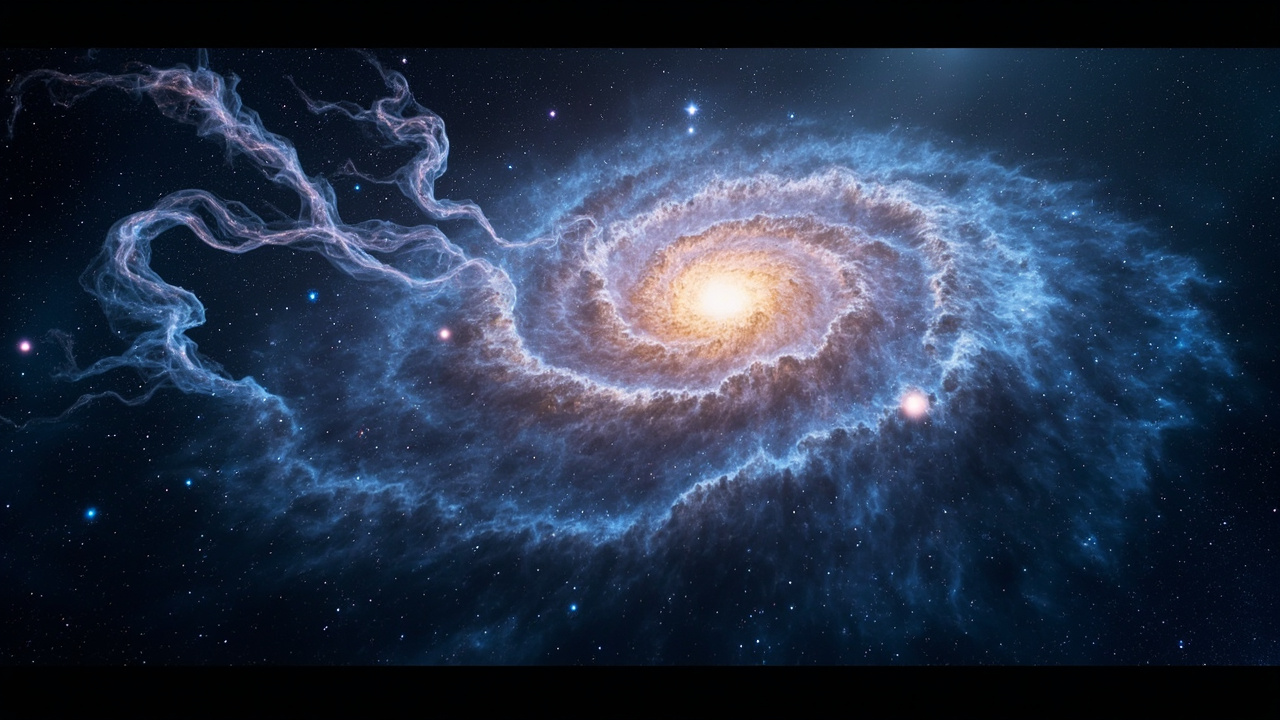
JWST captured a stunning image of a "cosmic jellyfish" galaxy from 8.5 billion years ago. Its trailing gas tendrils, formed by ram-stripping, challenge assumptions about early galaxy cluster environments.
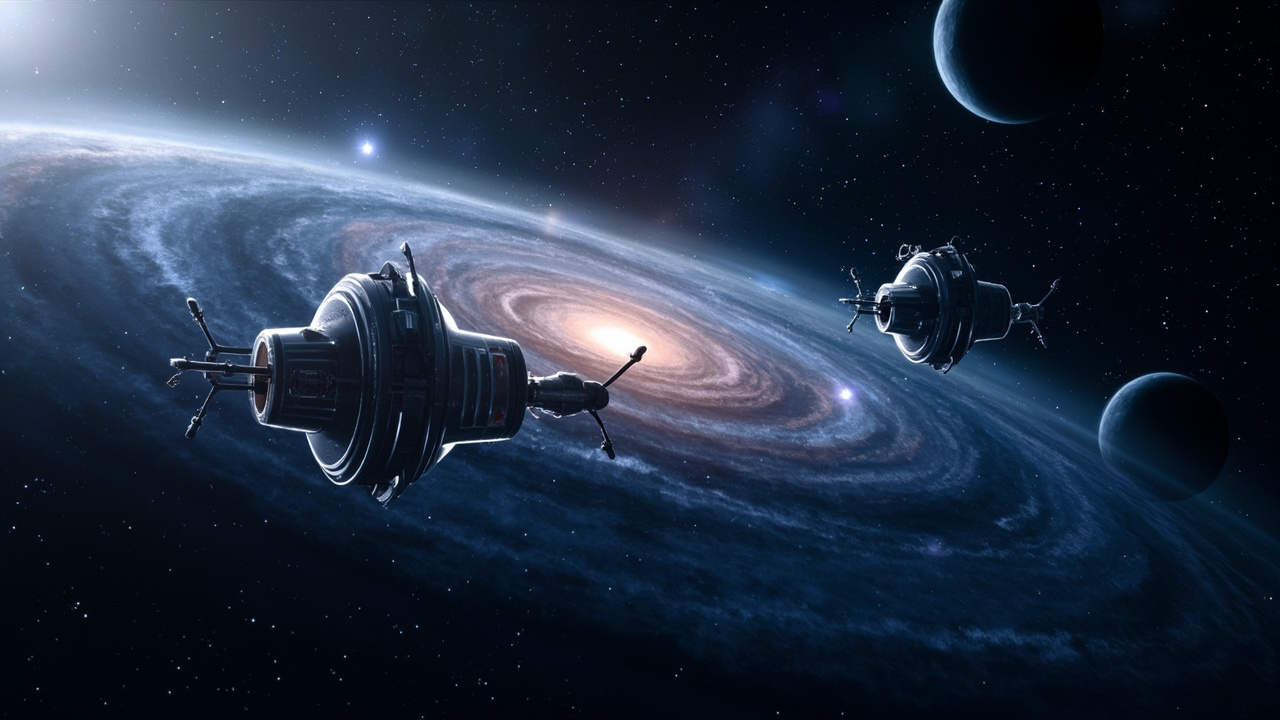
Astronomers used Hubble and Chandra to hunt for wandering black holes in dwarf galaxies. Finding them could reveal a "fossil record" of early black hole seeds, helping explain how supermassive black holes grew so quickly in the early universe.
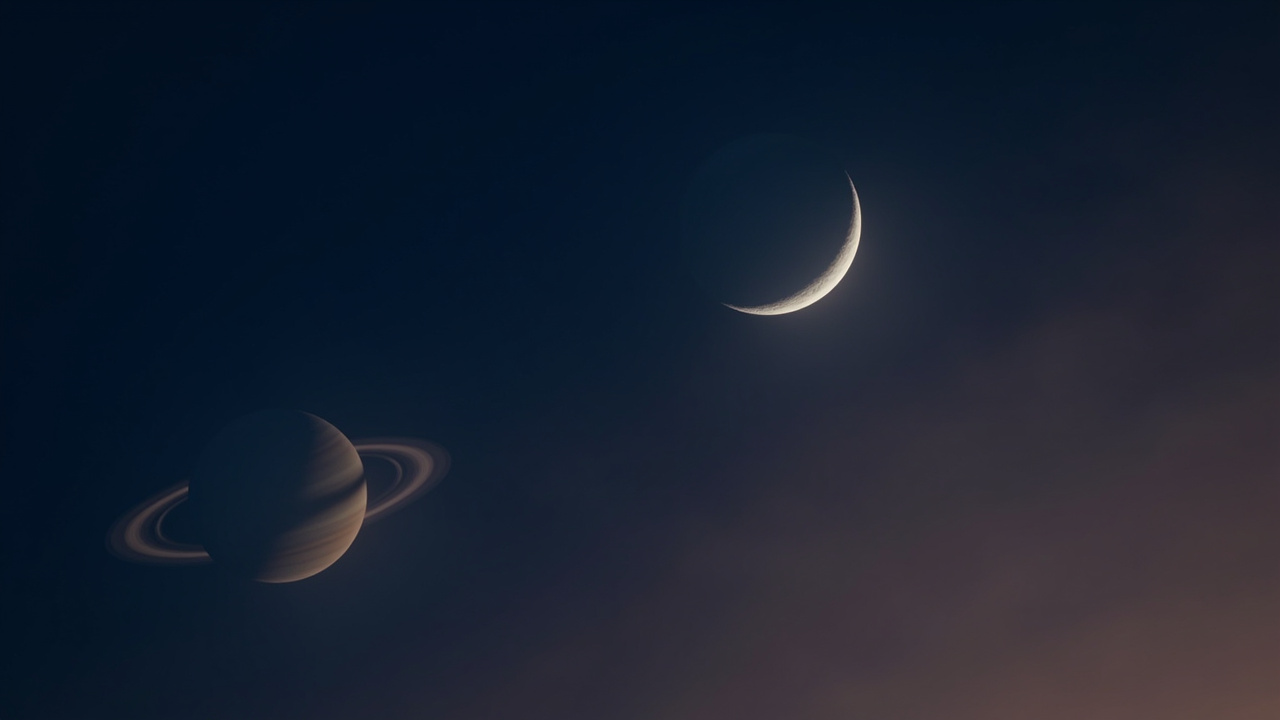
On Feb. 19, look west at sunset to see a thin crescent moon near Saturn. You might also spot Mercury and Earthshine on the moon.
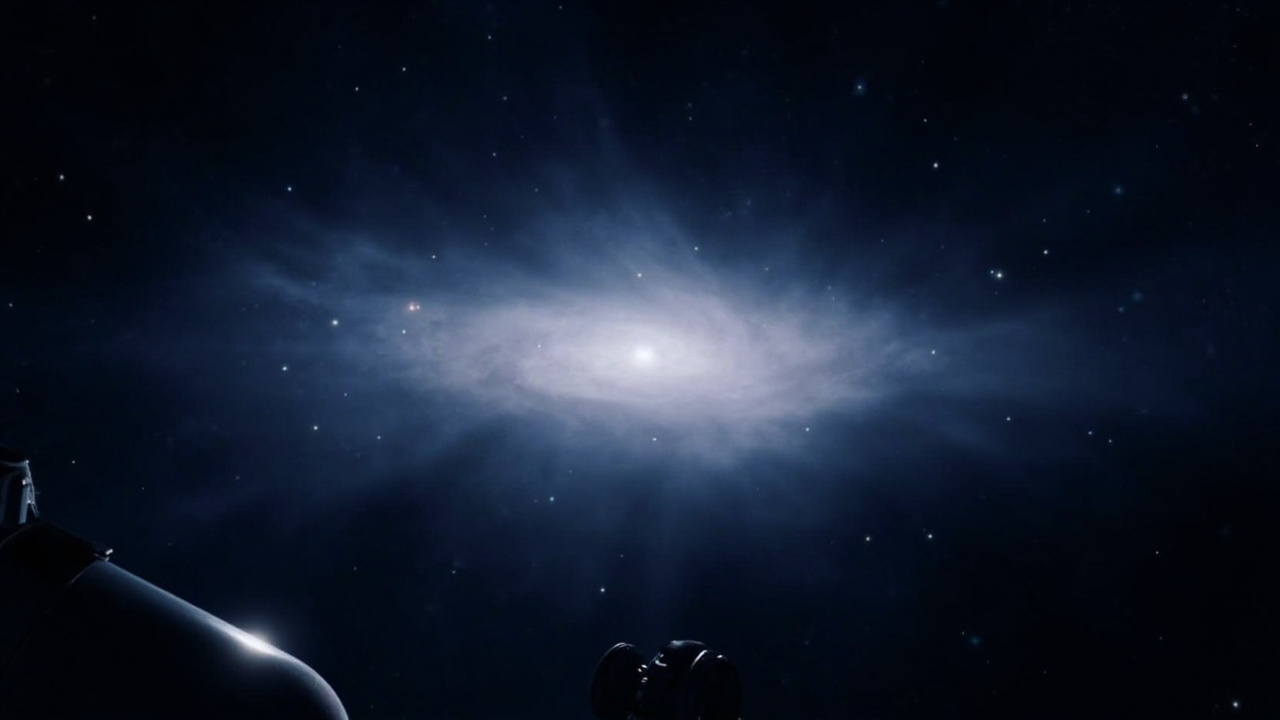
Astronomers discovered CDG-2, a "dark galaxy" where dark matter makes up 99% of its mass. It was found using Hubble and Euclid telescopes by detecting its faint glow and globular clusters.
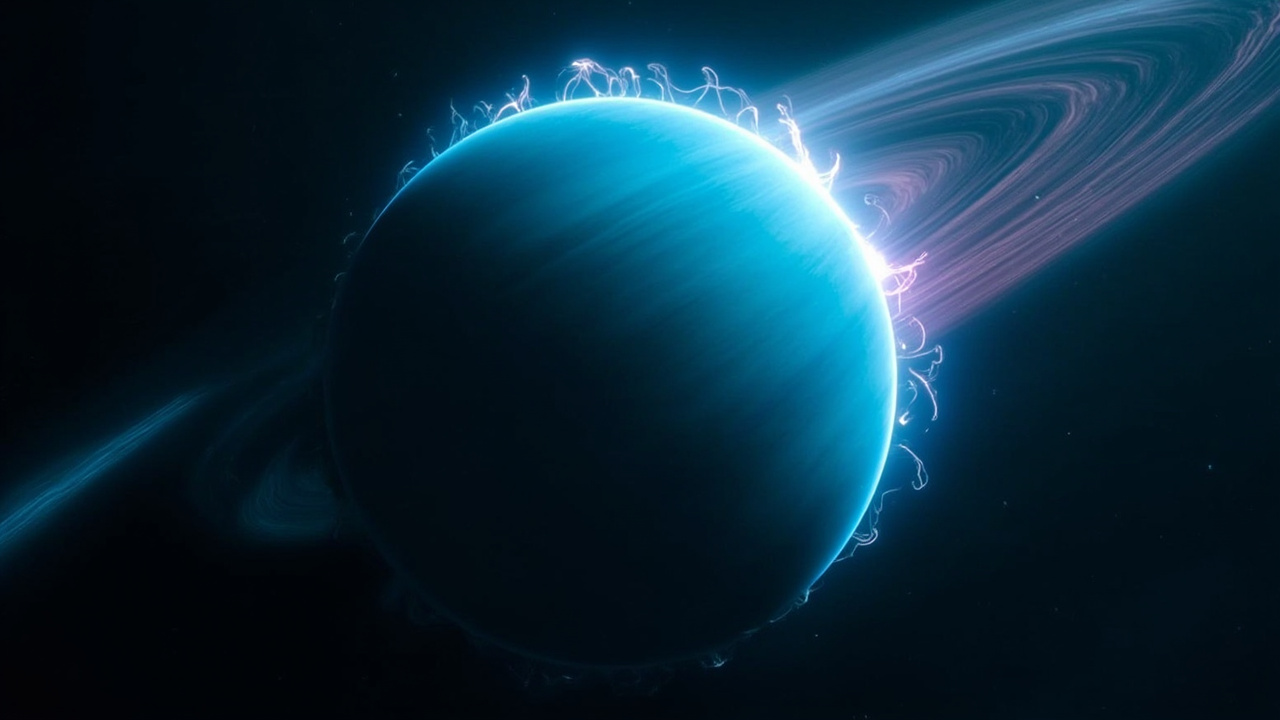
Webb telescope data reveals new details about Uranus's tilted magnetic field and cooling upper atmosphere, advancing our understanding of ice giants.